Why Do I Snore So Much? Exploring the Real Causes of Snoring
Snoring is something many of us joke about—until it starts affecting your health, relationships, and peace of mind. So, what are the causes of snoring? The truth is, snoring has multiple causes, and understanding them is your first step toward quieter, restorative sleep.
TL;DR: Summary of Snoring Causes and Solutions
- Snoring Happens When: Airflow through your mouth or nose is partially blocked, causing tissue vibrations in your throat.
- Common Causes of Snoring Include: Sleep position, obesity, alcohol consumption, nasal congestion, and aging.
- Lifestyle Adjustments Help: Weight loss, changing sleep positions, and avoiding late-night drinks can drastically reduce snoring.
- Snoring Remedies Range From: Bedtime routines and breathing aids to medical treatments like CPAP or surgery.
- See a Specialist If: You suspect sleep apnea, or your snoring is loud, frequent, or causes fatigue and irritability.
Understanding the Root Causes of Snoring
What Makes You Snore?
Snoring is more than just noise—it’s a symptom of airflow obstruction somewhere in your airway. As you drift into deeper sleep, your muscles relax, including those in your throat and tongue. If these tissues become too relaxed, they can partially block your airway, creating that familiar snoring sound as air forces its way through.
One of the most common causes of snoring is your anatomical structure. For example, a deviated nasal septum, swollen turbinates, or excess soft palate tissue can contribute. Even children with enlarged tonsils or adenoids often experience snoring.
Other frequent snoring triggers include:
- Obesity: Excess body weight, especially around your neck, can compress your airway.
- Alcohol: Relaxes throat muscles and increases the likelihood of airway obstruction.
- Medications: Especially sedatives and muscle relaxers.
- Smoking: Irritates and narrows your airway.
- Nasal Congestion: Colds, allergies, or sinus infections narrow your nasal passages.
Still wondering why your snoring is worse some nights? That might lead us into sleep positions.
Exploring the Impact of Sleep Position
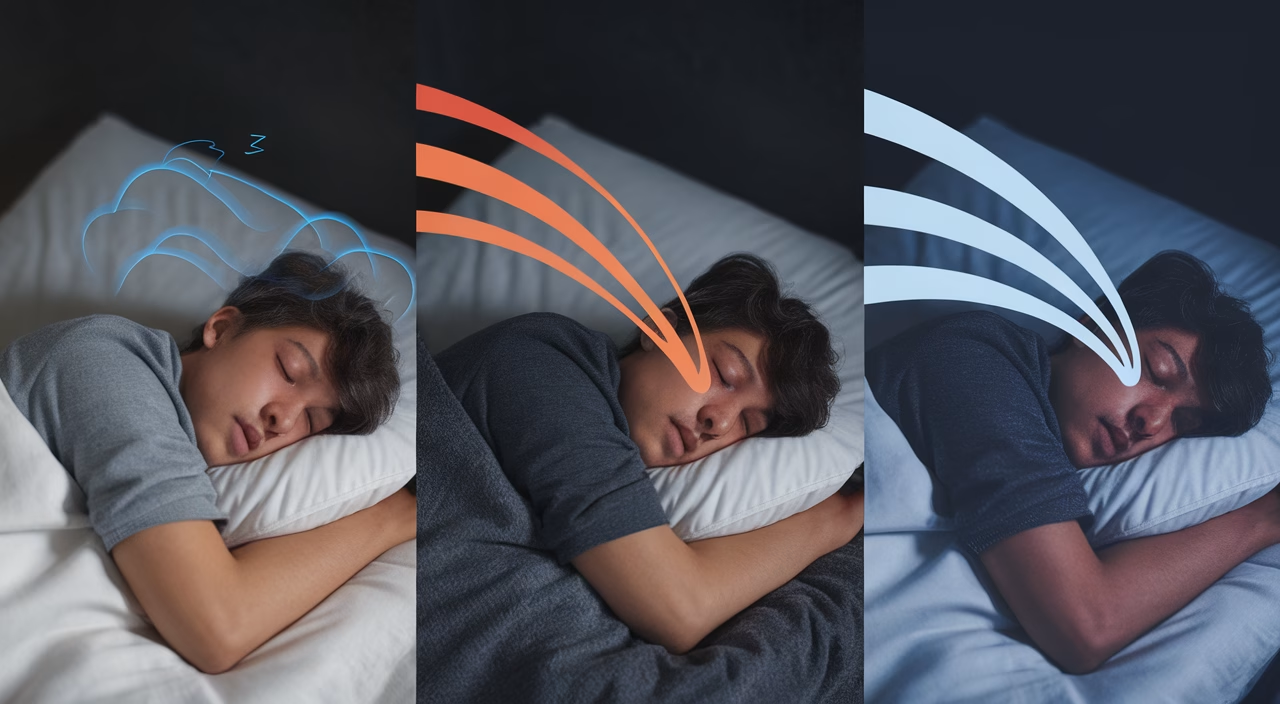
Ever notice how snoring intensifies when you sleep on your back? There’s a reason: gravity. When lying supine, your tongue and soft palate naturally fall backward, narrowing your airway. It’s like turning a garden hose slightly—the flow slows, but adds turbulence.
Here’s a quick look at how different positions affect your snoring:
| Position | Snoring Risk | Why? |
|---|---|---|
| Back Sleeping | High | Tongue falls back into throat, restricting airflow. |
| Side Sleeping | Low | Keeps airway more open and tongue forward. |
| Stomach Sleeping | Moderate | Can open the airway but may strain the neck. |
Practical tip? Use a body pillow to keep yourself sleeping on your side or elevate your head with an extra pillow to improve nasal airflow.
Lifestyle Factors and Snoring
Understanding the causes of snoring isn’t always about what you do at night—it often stems from what you do during the day. These lifestyle choices silently contribute to your snoring habits and are some of the most common snoring triggers.
- Diet and Weight: Carrying extra pounds, especially around your neck and chest, compresses your airway.
- Exercise Habits: People who are physically active tend to snore less due to stronger respiratory muscles and reduced fat around the airways.
- Hydration: When you’re dehydrated, secretions in your nose and palate become stickier, leading to more vibrations.
- Alcohol & Sedatives: As relaxing as a nightcap may seem, it relaxes throat muscles too much.
In practice, we’ve seen patients reduce or completely eliminate snoring after losing just 10% of their body weight—proof that small steps matter when addressing the root causes of snoring.
Effective Remedies for Snoring
When snoring becomes disruptive, it’s time to explore snoring remedies. Luckily, a range of options—from DIY setups to clinical treatments—can help open your airway and improve nighttime breathing.
Simple Home Snoring Remedies
- Sleep Position Trainers: Encourage side-sleeping to keep airways open.
- Humidifiers: Add moisture to dry air to reduce throat irritation.
- Nasal Strips: Help open nostrils mechanically for easier nose breathing.
- Mouth Exercises: Strengthen mouth and throat muscles to reduce tissue collapse.
Medical & Surgical Options
- CPAP Devices: Best for sleep apnea; deliver pressurized air to keep passages open.
- Oral Appliances: Dental mouthguards that shift your tongue or jaw slightly forward.
- Surgical Treatments: For extreme cases, surgeries can shrink or remove excess tissue.
Cost Guide: Snoring Treatment Options
| Type | Description | Price Range |
|---|---|---|
| Home Remedies | Sleep patches, humidifiers, nasal strips | $10 – $100 |
| Oral Devices | Custom-fitted dental appliances | $300 – $2,000 |
| CPAP Machines | Continuous Positive Airway Pressure systems | $500 – $3,000 |
| Surgery | Procedures like UPPP or septoplasty | $1,500 – $10,000+ |
Remember: not every snoring remedy will work for everyone. It’s often trial and error until you find your personalized fix.

Seeking Professional Help
While occasional snoring usually isn’t cause for alarm, habitual or very loud snoring might signal something more serious—like obstructive sleep apnea. If your partner says you stop breathing during sleep, gasp for air, or wake up exhausted, it’s time to see a specialist.
Here are red flags to watch for:
- Excessive daytime sleepiness
- Morning headaches or dry mouth
- High blood pressure
- Unrefreshing sleep even after 7–9 hours
Sleep studies, conducted at home or in a lab, can pinpoint whether something serious is disrupting your breathing. From there, targeted treatments can be prescribed to eliminate risk and improve quality of life.
Final Thought
Snoring is your body’s way of waving a red flag. Whether it’s mild and annoying or getting in the way of restful sleep, the good news is: most causes of snoring are fixable. Change a few habits. Adjust how you sleep. And if needed, don’t hesitate to reach out to a sleep professional. Quiet nights—and refreshed mornings—could just be one decision away.
Frequently Asked Questions
- Why do I only snore when I’m really tired?
When you’re exhausted, your muscle tone drops more than usual during sleep—causing tissues to relax further, making snoring more likely. - Can skinny people snore?
Absolutely. Even thin individuals can snore due to anatomy, allergies, or alcohol. - Does snoring mean sleep apnea?
Not always. While loud, frequent snoring is a key symptom, not everyone who snores has sleep apnea. - Can allergies cause snoring?
Yes. Nasal allergies inflame your airways, increasing resistance and vibrations during breathing. - What foods should I avoid to stop snoring?
Dairy, alcohol, and large meals before bed can worsen snoring by increasing mucus and relaxing muscles. - Do children snore?
Yes—especially those with enlarged tonsils or allergies. Persistent snoring should be evaluated by a doctor. - Can snoring be cured permanently?
Some causes can be managed or resolved, but others (like aging) may require ongoing strategies.