How can I effectively manage snoring and sleep disorders?
Successfully managing snoring and sleep disorders requires a multi-pronged approach: identifying your specific triggers, implementing targeted lifestyle changes for better sleep, practicing stress-reducing mindfulness techniques, and seeking professional treatments when necessary. Effective solutions range from optimizing your sleep hygiene to exploring medical interventions like CPAP therapy or custom oral appliances.
TL;DR: Summary
- Stress disrupts sleep: Chronic stress significantly worsens snoring and disorders like insomnia or sleep apnea.
- Mindfulness works: Deep breathing exercises and meditation dramatically improve relaxation and sleep quality.
- Lifestyle changes matter: Your diet, alcohol consumption, and exercise routine directly impact how well you sleep.
- Professional treatments help: Consulting a sleep specialist opens doors to effective treatments for persistent snoring or apnea.
- Environment optimization: Your bedroom setup can make or break your sleep success.
Understanding the Link Between Stress and Sleep Disorders
Have you noticed your snoring gets worse during particularly stressful periods? There’s a scientific reason for this connection. Chronic stress doesn’t just affect your mental state—it creates a destructive cycle with your sleep health. When your nervous system stays locked in “fight or flight” mode, your body’s natural sleep rhythms become severely disrupted. Cortisol levels spike while melatonion production plummets, making quality sleep nearly impossible.
This pattern often develops into more serious conditions like insomnia or obstructive sleep apnea. Both disorders fundamentally alter your sleep architecture, resulting in daytime exhaustion, increased snoring, concentration problems, and mood disturbances. While some people experience positional snoring, many cases link directly to sleep apnea—a condition that stress-induced muscle tension and upper airway inflammation can significantly worsen.
Here’s the typical progression: You endure a stressful day, your mind races as evening approaches, and falling asleep becomes a struggle. Your rest becomes fragmented, shallow, and noisy—leaving you feeling unrested when morning arrives. This vicious cycle feeds on itself, but with the right knowledge and strategies, you can break free from this pattern and start managing snoring and sleep disorders effectively.
Mindfulness Techniques for Stress Reduction
When stress becomes the primary culprit behind your restless nights and persistent snoring, mindfulness techniques offer powerful solutions. These practices help your mind and body transition from constant overdrive into a state that welcomes restorative rest.
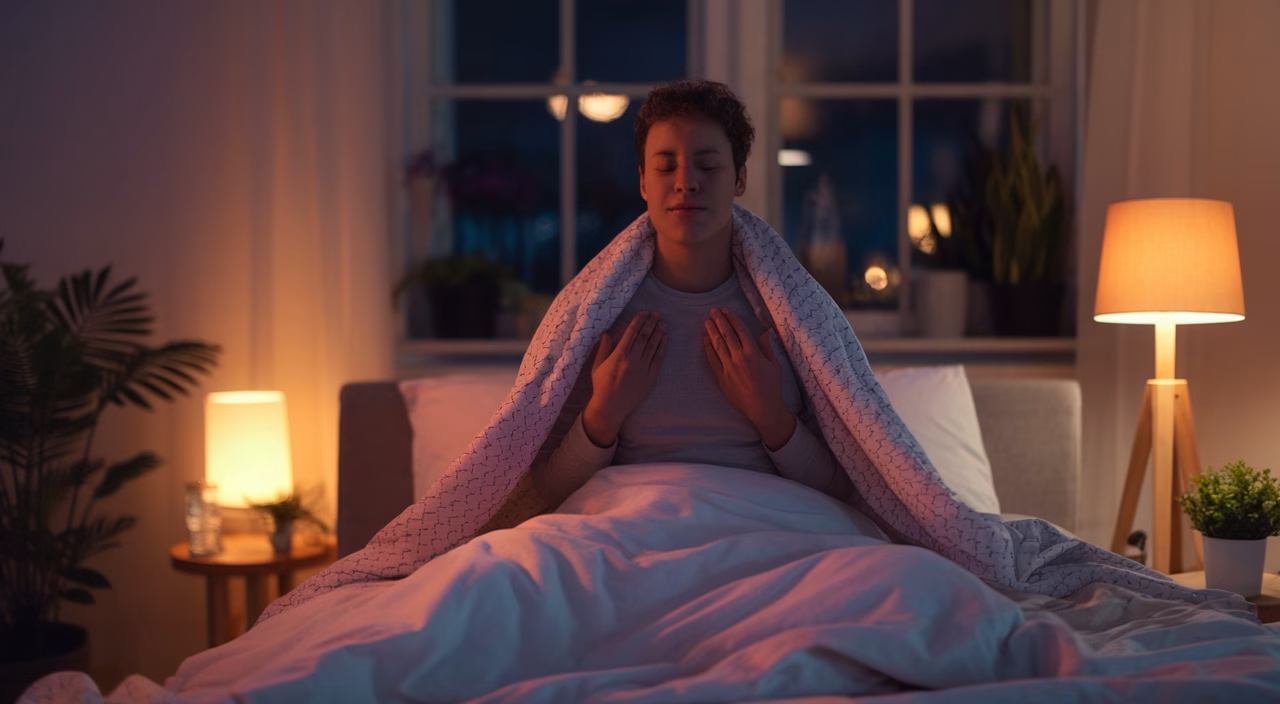
Master Deep Breathing for Better Sleep
Diaphragmatic breathing stands as one of the most effective techniques for managing snoring and sleep disorders. Try this proven method before bedtime:
- Inhale slowly through your nose for 4 seconds
- Hold your breath for 7 seconds
- Exhale completely through your mouth for 8 seconds
Repeat this sequence for 4–6 cycles. This breathing technique not only reduces your heart rate but also relaxes the throat muscles that contribute to snoring, making it an essential tool for lifestyle changes for better sleep.
Practice Progressive Body Scan Meditation
While lying in bed, slowly focus your attention on each part of your body from your feet to the top of your head. As you mentally scan each area, visualize tension dissolving with every exhale. This systematic approach to relaxation trains your body to unwind naturally and supports deeper sleep phases.
Clear Your Mind with Evening Journaling
Racing thoughts often prevent quality sleep. Establish a pre-bedtime journaling routine where you write down your concerns, tomorrow’s tasks, or daily reflections. This mental decluttering practice effectively reduces nighttime anxiety and prepares your mind for rest.
Lifestyle Changes to Improve Sleep Quality
The foundation of managing snoring and sleep disorders lies in comprehensive lifestyle modifications. Your body’s circadian rhythm responds sensitively to various factors including nutrition timing, alcohol consumption, and exercise schedules. Let’s explore the most impactful changes:
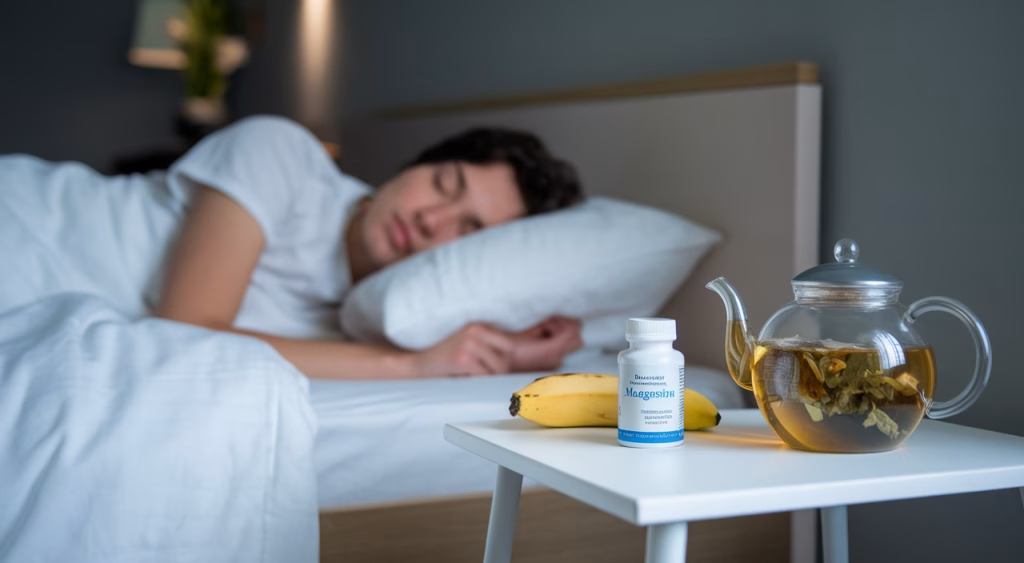
Optimize Your Nutrition & Hydration
- Avoid heavy meals and caffeine within 3+ hours of bedtime
- Maintain proper hydration throughout the day, but reduce fluid intake in the evening to minimize sleep disruptions
Time Your Exercise Strategically
Regular physical activity significantly improves both sleep quality and duration while supporting your efforts in managing snoring and sleep disorders. However, timing matters—exercising within 1–2 hours of bedtime can energize you when your goal is winding down for rest.
Eliminate Sleep-Disrupting Substances
While alcohol might initially make you feel drowsy, it severely compromises your deep, restorative sleep phases. Similarly, nicotine acts as a stimulant that can fragment your sleep architecture and worsen snoring symptoms.
Cost Guide: Treatments and Prevention Aids
| Solution | Low-End | Mid-Range | High-End |
|---|---|---|---|
| Snoring strips or mouth guards | $10 | $50 | $150 |
| Mindfulness app subscriptions | Free | $5/month | $15/month |
| CPAP Devices | $500 | $750 | $1200+ |
| Professional Sleep Study | $500 | $1200 | $3000+ |
Seeking Professional Help: Treatment Options for Snoring
When your snoring becomes chronic, disruptive, and impacts your energy levels or relationships, it’s time to explore professional treatments for snoring. You may be dealing with obstructive sleep apnea (OSA)—a serious but highly treatable condition that requires medical intervention.
Proven Clinical Treatment Options
- CPAP Therapy (Continuous Positive Airway Pressure): The gold standard treatment for OSA—delivers consistent air pressure to keep your airways open throughout the night.
- Custom Oral Appliances: Specially fitted mouthpieces that reposition your jaw or tongue to prevent airway collapse during sleep.
- Surgical Interventions: For anatomical issues such as deviated septum or enlarged tonsils, surgical correction can provide lasting relief.
Professional diagnosis plays a crucial role in managing snoring and sleep disorders effectively. A comprehensive home sleep test or in-laboratory polysomnography can determine the severity of your condition and guide targeted treatment approaches.
Tips for Creating a Sleep-Friendly Environment
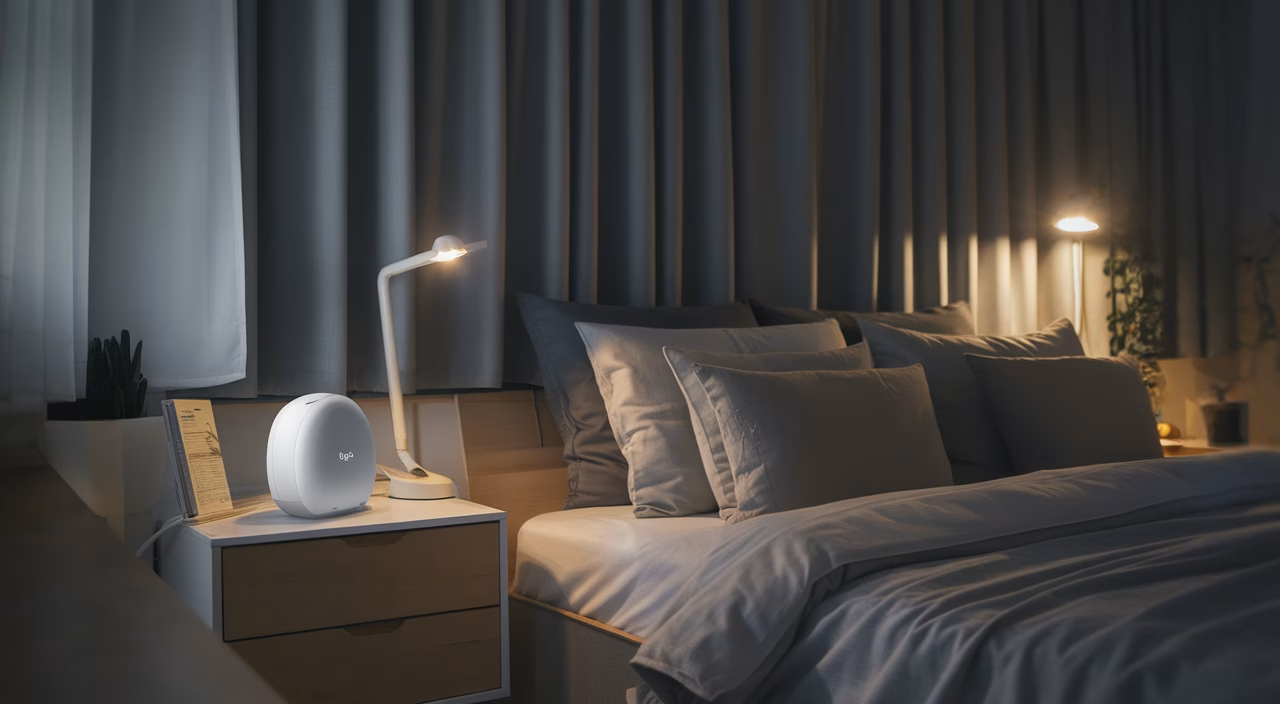
Your bedroom environment significantly impacts your success in managing snoring and sleep disorders. Transforming your sleeping space into a calming sanctuary requires strategic adjustments that promote deeper, more restful sleep.
Maintain Optimal Sleep Conditions
- Keep your bedroom temperature between 60–67°F for optimal sleep conditions
- Block out all light sources using blackout curtains or sleep masks
- Minimize noise disruptions with earplugs or white noise machines
Create a Technology-Free Sleep Zone
Blue light from electronic devices stimulates your brain and suppresses melatonin production. Establish a digital curfew by turning off all screens 1–2 hours before bedtime. For best results, keep phones and tablets completely out of your sleeping area.
Invest in Sleep-Supporting Bedding
Proper pillow support can significantly reduce snoring, especially when side-sleeping. Choose a mattress that maintains spinal alignment without being too soft or overly firm. These investments in quality bedding support your overall strategy for managing snoring and sleep disorders.
Final Thoughts
Successfully managing snoring and sleep disorders isn’t about finding a quick fix—it’s about committing to a comprehensive approach that addresses your unique situation. By understanding your body’s signals, implementing strategic lifestyle changes for better sleep, and working with healthcare professionals when needed, you can achieve the peaceful nights you deserve. Think of this journey as constructing a foundation—each positive change builds upon the others—leading you from disrupted, noisy nights toward deep, restorative sleep that leaves you energized and refreshed.
Frequently Asked Questions
Why do I snore when I’m stressed?
Stress tightens your throat and facial muscles and disrupts your natural sleep cycle, which can increase the frequency and loudness of snoring.
Can deep breathing stop snoring?
Deep breathing won’t cure structural causes of snoring, but it can reduce muscle tension and help you enter deeper sleep stages where snoring tends to ease.
Is it normal to wake up gasping for air?
No. This could be a sign of sleep apnea, a disorder where your breathing is repeatedly interrupted during sleep. Consult a sleep specialist right away.
Does changing sleep position reduce snoring?
Yes. Sleeping on your back can worsen snoring, while side-sleeping often helps open airways and reduce vibration in the throat.
How long before mindfulness improves sleep?
Some people notice better sleep within days of practicing mindfulness daily, especially when pairing meditation with better sleep hygiene.
Can snoring go away with weight loss?
Yes. Reducing excess weight can decrease fat deposits around your neck and thorax, relieving airway pressure and lowering snoring intensity.
How do I know if my snoring is serious?
If it’s loud, persistent, causes daytime tiredness, or includes choking/gasping sounds, it’s time to get evaluated for sleep apnea or other disorders.