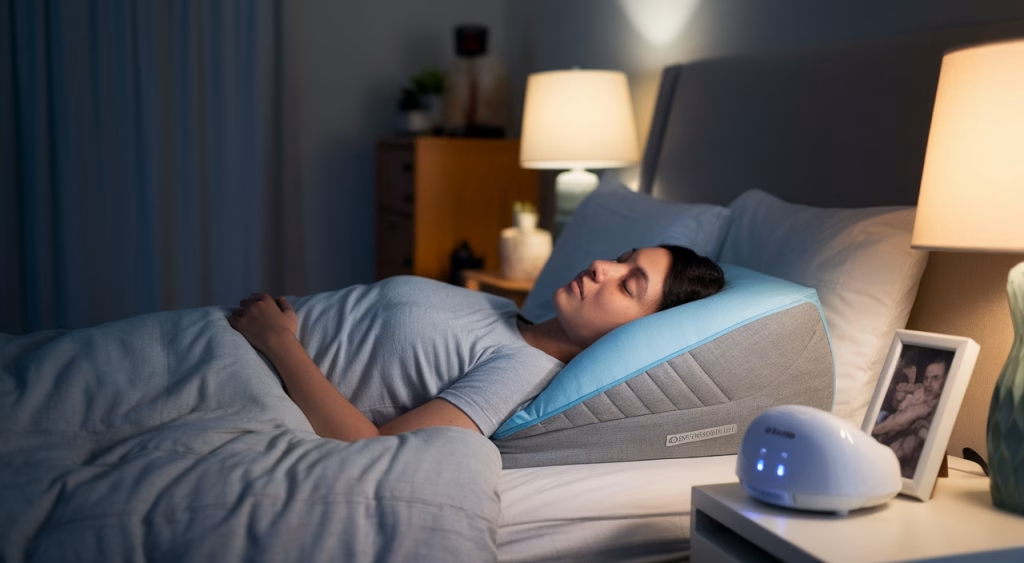
Can Sleeping in an Inclined Position Really Help With Snoring?
Yes, an inclined sleeping position can be a powerful, non-invasive solution to reduce snoring by helping your upper airway remain open, improving airflow while you sleep. Unlike complicated devices or uncomfortable masks, elevating your upper body slightly can make a significant difference—especially if your snoring is related to gravity-dependent airway collapse or poor sleep posture. It’s all about finding the right angle and supportive tools to keep your breathing unobstructed when you close your eyes.
TL;DR: Summary
- Inclined sleeping positions help reduce snoring by keeping your upper airway open and supported.
- Using specialized pillows for snoring can make it easier to maintain this posture throughout the night.
- Improved sleep posture leads to better sleep quality and reduced nighttime awakenings.
- Practical tips include adjusting your mattress angle, trying wedge pillows, and checking your sleeping environment.
- This is one of the simplest snoring solutions—effective for many and easy to implement.
Benefits of Sleeping in an Inclined Position
If you’ve ever been kept up by your own snoring—or nudged awake by a partner—you understand how frustrating it can be. The root causes often come down to airway obstruction. When you lie flat on your back, gravity can cause your tongue and soft palate to move backward, narrowing the upper airway and creating the vibrations we label as snoring. By slightly elevating the upper body (not just the head), you can reduce this collapse and allow a clearer air passage.
The result? Less snoring. And better, deeper sleep—for you and likely your partner, too.
Beyond snoring, inclined sleeping has a few added perks:
- Reduces acid reflux, which often exacerbates nighttime breathing issues.
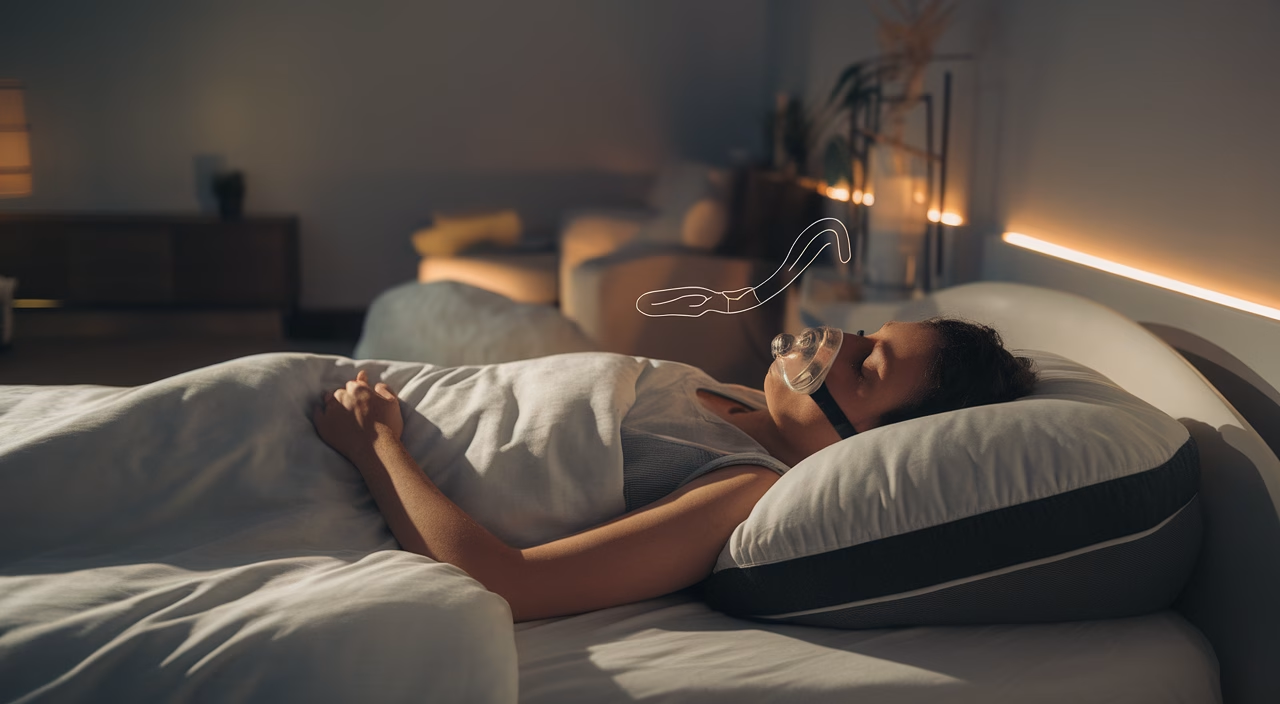
- May ease mild sleep apnea symptoms by enhancing airflow through your upper airway.
- Helps alleviate post-nasal drip and congestion, which can otherwise block the nose and mouth.
- Improves circulation and pressure distribution, particularly if lying on your back exacerbates other discomforts.
But be mindful—not all inclines are created equal. Too steep, and you’ll strain your neck or back. Too shallow, and the benefits may vanish. We recommend finding the sweet spot: Think 10 to 30 degrees—not a lounge chair slump, but not exactly upright either.
Choosing the Right Pillow for Inclined Sleeping
Here’s the thing—you can’t just stack a few regular pillows and expect miracles. Traditional pillows often slide out of place, bend your neck at an awkward angle, or simply flatten out overnight. What you need are specialized pillows for snoring that are built for this purpose.
These include wedge pillows, contour pillows, or even adjustable bed bases. What they do exceptionally well is offer strategic elevation from the waist—or at least the shoulders—up to keep your upper airway open and maintain proper sleep posture.
| Pillow Type | Angle Range | Best For | Cons |
|---|---|---|---|
| Wedge Pillow (High-Density Foam) | 10–30 degrees | Chronic snorers, GERD sufferers | Bulky and unportable |
| Adjustable Pillow System | Varies | Combination sleepers | Can take time to adjust |
| Adjustable Bed Base | Customizable | Long-term comfort and versatility | Pricey upfront |
From years of practice, I often tell new clients: try a wedge pillow first. It’s the easiest, least expensive way to test these snoring solutions without committing to costly furniture swaps. For more dynamic adjustability, explore pillow systems that let you fine-tune height and firmness to your needs.
Tips for Maintaining an Inclined Position Throughout the Night
Even with the right specialized pillows for snoring, it’s entirely normal to start off inclined and end up flat by morning. That’s where proactive techniques can help. Let’s look at how you can maintain this sleep posture without tossing and turning your way out of it.
- Choose a stable incline system: Foam wedges or mattress-integrated inclines tend to stay put through the night.
- Use bolsters or body pillows: Support your sides to limit shifting and align your spine while keeping your upper airway open.
- Monitor for neck alignment: Make sure your pillow keeps your head, neck, and spine in a neutral, restful position while inclined.
- Adapt your pajamas and blankets: Slippery fabrics can cause you to slide; opt for breathables with grip textures.
- Test your sleeping position: Left-side inclined sleeping tends to reduce GERD and supports better airway openness.
Think of it like hiking uphill. If the trail is smooth and well-supported, you’ll progress with little effort. But if it’s unstable—slippery sheets, poor pillows—you’ll tire out fast and give up on even the best snoring solutions.
Improving Sleep Quality with Inclined Sleeping
No snoring solution is truly valuable unless it also boosts sleep quality. And the great news is that elevating your sleep isn’t just about reducing noise—it genuinely contributes to more restful nights. By decreasing nighttime awakenings due to oxygen desaturation or blocked airflow, you experience longer cycles of deep, uninterrupted rest.
Let’s break down what this looks like in practice:
- Less tossing and turning: Better sleep posture leads to longer periods in REM and slow-wave sleep.
- Fewer respiratory arousals: By managing airflow through your upper airway, you wake up less often gasping or shifting positions seeking breath.
- Decreased partner disturbance: Your bedmate will thank you—two sleepers win when you find effective snoring solutions.
Cost Guide: What Should You Expect to Pay?
| Item Type | Low-End | Mid-Range | High-End |
|---|---|---|---|
| Wedge Pillow | $25 | $50–$80 | $150+ |
| Specialized Pillow Systems | $30 | $90 | $200+ |
| Adjustable Bed Base | $300 | $700 | $1800+ |
Start small—see what works for you. A modest investment in specialized pillows for snoring could spare you years of sleep disruption and grumpy mornings. It’s an approachable solution with enormous potential dividends for both health and quality of life.
Final Thoughts
Many of us struggle with snoring, but few realize how impactful our sleeping angle can be. The good news? You don’t need invasive gadgets or medications to see improvement. With the right sleep posture, specialized pillows, and persistence, you can transform your nights. You deserve sleep that feels restful, restored, and undisturbed—and inclined sleeping is a gentle, practical step toward that goal.
If you’ve tried everything else—mouth guards, apps, sprays—and still wake up exhausted, this might be the breath of fresh air your sleep’s been craving. These snoring solutions focus on keeping your upper airway open naturally, leading to better sleep quality for everyone in your household.
Frequently Asked Questions
- Is snoring caused by bad posture?
Yes, poor sleeping posture—especially lying flat on your back—can contribute to snoring by disrupting upper airway openness. - What’s the best inclined sleeping position for snoring?
A 10 to 30 degree elevation of the upper body, combined with side or back sleeping posture, is often the most effective. - Do I need an expensive adjustable bed to stop snoring?
No, a good wedge or specialized pillow can be enough to make a big difference. - How long will it take to see results?
Many users notice a reduction in snoring within a few nights of consistent inclined sleeping. - Can all types of snoring be helped with inclined sleep?
Mostly yes—especially those caused by anatomical airway collapse or gravity-based obstructions during back sleeping.