What Is the Link Between Sleep Apnea and Inflammation?
If you’ve been diagnosed with sleep apnea, you may have already heard murmurs of the word ‘inflammation’ tossed around in conversations with doctors or healthcare forums. But what exactly is the connection between these two? Is inflammation a side effect of untreated sleep apnea—or could it actually be a driver of the worsening symptoms you’ve been feeling? Let’s explore the science and implications together.
TL;DR (Too Long; Didn’t Read) Summary
- Sleep apnea and inflammation: Obstructive sleep apnea (OSA) causes oxygen deprivation during sleep, triggering systemic inflammatory responses in the body.
- Cardiovascular risk: Chronic inflammation from untreated sleep apnea is closely linked to a higher risk of heart disease, high blood pressure, and stroke.
- Respiratory and immune impact: Inflammation can worsen respiratory health and compromise immune function.
- Practical solutions: CPAP therapy, natural anti-inflammatory diets, weight management, and quality sleep hygiene can all reduce inflammation.
- Proactive care matters: Early intervention is key to breaking the cycle between disrupted sleep and chronic inflammation.
Understanding Sleep Apnea and Inflammation: The Dangerous Connection
For many, the word “inflammation” brings to mind swelling around a cut or sore. But inside your body, inflammation plays a more complex role—especially when triggered by sleep disorders like obstructive sleep apnea (OSA).
Here’s how sleep apnea and inflammation create a vicious cycle: When you suffer from sleep apnea, your airway repeatedly collapses during sleep, leading to frequent pauses in breathing—sometimes hundreds of times a night. Each time this happens, your blood oxygen levels drop, and your body releases stress hormones like cortisol. This oxygen deprivation sparks an inflammatory response meant to protect you—but over time, this chronic low-grade inflammation becomes harmful.
Studies now show clear links between sleep apnea inflammation connection and elevated inflammatory markers like C-reactive protein (CRP), interleukin-6 (IL-6), and tumor necrosis factor-alpha (TNF-α). These are the warning lights of a body stuck in fight-or-flight mode during the very time it should be recovering: sleep.
How Sleep Apnea Triggers Cardiovascular Disease Through Inflammation
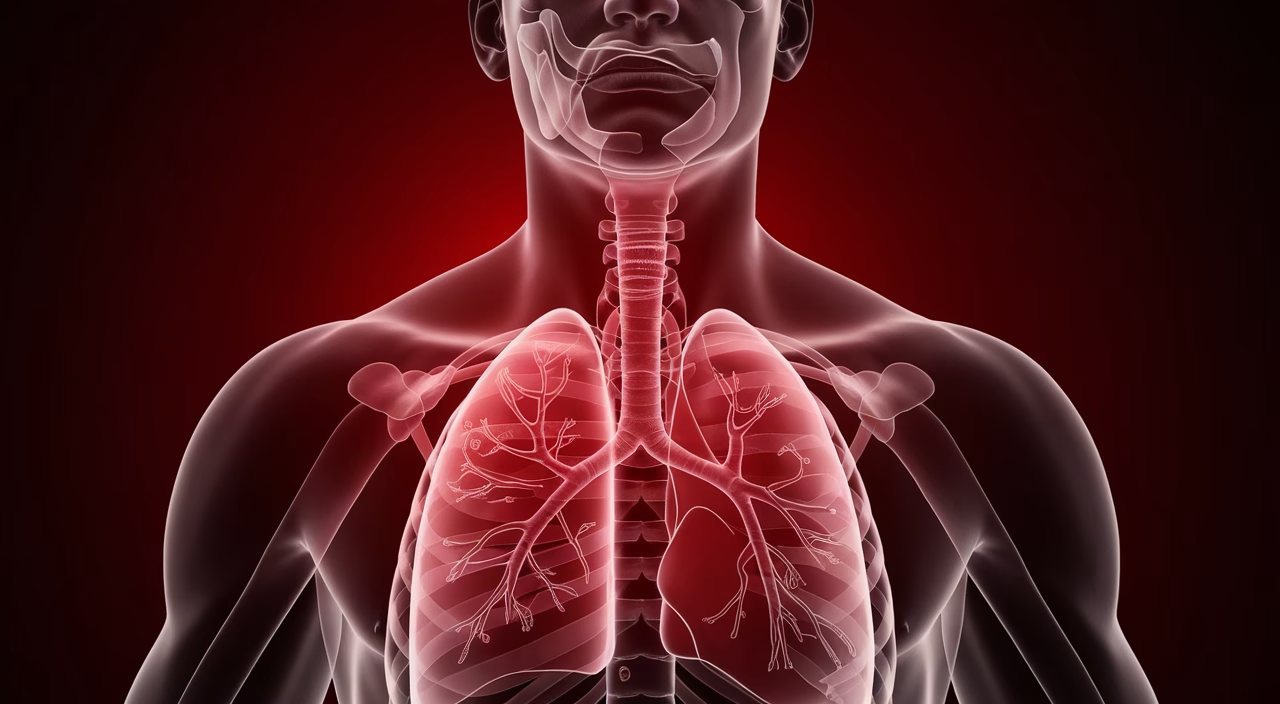
The heart often bears the brunt of sleep apnea’s inflammatory toll. The connection between sleep apnea cardiovascular diseases isn’t coincidental—it’s a direct result of chronic systemic inflammation caused by oxygen deprivation.
Think of your cardiovascular system as constantly sprinting uphill. Over time, your heart grows exhausted, and your blood vessels take the hit. Chronic inflammation narrows your arteries, stiffens blood vessels, and raises blood pressure, resulting in hypertension, arrhythmias, and increased risk of stroke or heart attack.
Multiple clinical studies have confirmed that the relationship between inflammation and sleep disorders like OSA dramatically heightens your chances of developing coronary artery disease, atrial fibrillation, and congestive heart failure. This makes addressing both conditions simultaneously crucial for your long-term health.
Beyond the Heart: How Inflammation Affects Your Entire Body
Inflammation doesn’t limit itself to cardiovascular health. It also disrupts your respiratory system, digestive function, and immune responses. People with untreated sleep apnea often experience worsening asthma symptoms, GERD flare-ups, or frequent respiratory infections due to elevated systemic inflammation.
We need to view OSA not just as a sleep disorder but as a whole-body condition with far-reaching inflammatory consequences that impact every aspect of your health.
Effective Strategies for Managing Sleep Apnea and Inflammation
So how do you break free from this dangerous cycle of disrupted sleep and chronic inflammation? It starts by treating the root cause: sleep apnea itself, while simultaneously addressing inflammatory responses.
Proven Sleep Apnea Treatment Options
- CPAP Therapy: Continuous Positive Airway Pressure (CPAP) remains the gold standard for OSA treatment. It keeps your airway open during sleep, significantly reducing nightly apneic events—and, in turn, reducing inflammation markers throughout your body.
- Oral Appliances: Custom-fitted devices help reposition your jaw and tongue to maintain proper airflow, often suitable for mild to moderate sleep apnea cases.
- Surgical Interventions: In some cases, procedures to remove or reposition tissue in the throat may be recommended for severe sleep apnea.
Monitoring Inflammatory Markers in Sleep Apnea Patients
If you’re managing OSA, it’s worth asking your healthcare provider to check for inflammatory markers in sleep apnea patients. Tracking these markers—including CRP, IL-6, and TNF-α—can help tailor treatment plans more precisely and prevent long-term inflammatory damage to your cardiovascular and respiratory systems.
Natural Anti-Inflammatory Approaches for Sleep Apnea
Clinical interventions are powerful, but your everyday habits can be equally transformative. Holistic care can be a game-changer when addressing both sleep apnea and systemic inflammation simultaneously.
Proven Strategies to Reduce Sleep Apnea Inflammation Naturally
- Adopt an Anti-Inflammatory Diet: Foods rich in omega-3 fatty acids, antioxidants, and fiber—like salmon, leafy greens, berries, and whole grains—actively reduce inflammation markers. Avoid processed foods and excess sugar that fuel inflammatory responses.
- Achieve Healthy Weight Loss: Carrying excess weight around your neck and abdomen can worsen both sleep apnea severity and systemic inflammation levels.
- Eliminate Inflammatory Triggers: Alcohol and smoking amplify inflammation while impairing sleep quality and respiratory function.
- Exercise Regularly: Aim for 30 minutes per day of moderate cardiovascular activity to strengthen both respiratory health and reduce inflammatory markers.
- Optimize Sleep Hygiene: A consistent bedtime routine, reducing screen time before bed, and maintaining a cool, quiet sleep environment all support restorative sleep and reduce inflammatory stress.

Cost Guide: Managing Sleep Apnea & Inflammation
| Category | Low-End | Mid-Range | High-End |
|---|---|---|---|
| CPAP Machines | $300 | $700 | $1,200+ |
| Oral Appliances | $400 | $1,000 | $2,500 |
| Sleep Studies | $150 | $300 | $1,000 |
| Natural Supplements | $20/month | $50/month | $100/month |
| Anti-Inflammatory Diet | $150/month | $300/month | $500/month |
Breaking the Sleep Apnea Inflammation Cycle: Your Path Forward
Sleep apnea and inflammation form a dangerous cycle that’s challenging to break—but absolutely possible with the right approach. Understanding this connection is your first step toward better health. By recognizing the underlying mechanisms, seeking proper sleep apnea treatment options, and adopting proven anti-inflammatory lifestyle habits, you can reclaim the restorative sleep your body desperately needs.
If you’ve been diagnosed with sleep apnea or suspect you might have it, discuss with your doctor how inflammation could be impacting your symptoms and overall health. This isn’t just about improving sleep quality; it’s about reducing the serious cardiovascular and health risks that come with chronic, unchecked inflammation.
Your journey to better health starts with understanding the sleep apnea and inflammation connection—and taking action tonight.
Frequently Asked Questions
- Can snoring be caused by inflammation?
Yes, inflammation in the nasal passages or throat can narrow your airway, making it more likely to vibrate and cause snoring—especially noticeable in sleep apnea sufferers. - How can I reduce inflammation if I have sleep apnea?
Effective strategies include using CPAP consistently, eating a diet rich in anti-inflammatory foods, exercising regularly, and avoiding alcohol and smoking. - Is inflammation reversible with sleep apnea treatment?
Yes, many studies have shown that reducing apneic events with CPAP can lower inflammatory biomarkers over time. - Are there specific inflammatory markers I should ask my doctor about?
Yes, C-reactive protein (CRP), IL-6, and TNF-α are commonly associated with chronic inflammation in sleep apnea patients. - Can I treat inflammation only with diet and lifestyle?
While diet and lifestyle help, combining them with sleep apnea treatments like CPAP or dental devices offers the most effective results. - What’s the risk of ignoring inflammation from sleep apnea?
Chronic inflammation can lead to serious health issues, including heart disease, stroke, and cognitive decline if not addressed. - Does treating inflammation improve my sleep?
Yes! Reducing inflammation can improve sleep quality, reduce apneic episodes, and enhance overall well-being.