What’s the Connection Between Hypothyroidism and Snoring?
In short: Yes, hypothyroidism can lead to snoring. It may also be linked to more serious conditions like obstructive sleep apnea. The hormonal imbalances from an underactive thyroid can cause soft tissue swelling, muscle fatigue, decreased respiratory drive, and weight gain—all of which increase the likelihood of chronic snoring.
TL;DR Summary
- Snoring can be a symptom of hypothyroidism due to muscle weakness and tissue swelling in the throat and upper airway.
- Underactive thyroid function lowers metabolic rate, contributing to weight gain, a major risk factor for snoring and sleep apnea.
- Sleep apnea and hypothyroidism are often interrelated—correcting thyroid levels may reduce apnea events.
- Simple lifestyle shifts and targeted remedies like nasal breathing support and anti-inflammatory diets can help reduce snoring.
- Consult a physician for thyroid-related symptoms—early treatment improves sleep and total well-being.
How Thyroid Dysfunction Impacts Your Sleep Quality
How Thyroid Hormones Control Your Breathing
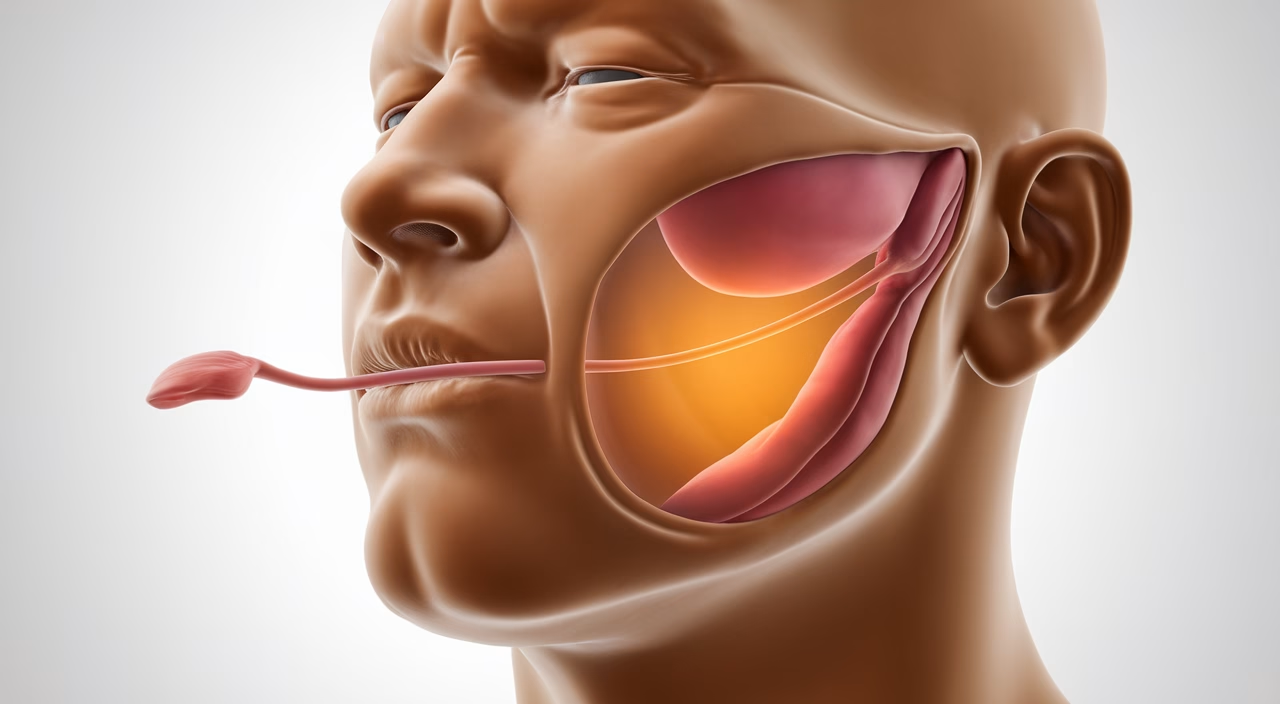
Your thyroid gland may be small, but its impact on your health is enormous—including how you breathe when you sleep. When you have hypothyroidism and snoring issues, it’s because this tiny gland controls your metabolism, muscle strength, and tissue repair. When it’s not producing enough thyroid hormones, it slows everything down, including the muscles responsible for keeping your airway open during sleep.
Why Hypothyroidism Creates the Perfect Storm for Snoring
Many people with hypothyroidism develop swelling in the tongue, vocal cords, or pharynx—a phenomenon known as myxedema. This soft tissue swelling narrows your airway passages significantly. At night, when your muscles relax naturally and your airways are already narrowed, it creates the perfect bottleneck for turbulent airflow—which we hear as snoring.
The Strong Link Between Hypothyroidism and Sleep Apnea
Research shows a compelling connection between hypothyroidism and sleep apnea. Sleep apnea involves repeated pauses in breathing during sleep, and hypothyroidism contributes to this by reducing muscle tone and respiratory drive. The thyroid dysfunction also promotes fluid retention that further narrows your air passages, making sleep apnea more likely and severe.
Proven Strategies for Managing Snoring with Hypothyroidism
Medical Treatment: Restoring Your Thyroid Balance
The most effective approach to managing hypothyroidism and snoring is getting your thyroid levels optimized. This can make a dramatic difference in your sleep quality. Synthetic or bio-identical thyroid hormone replacement therapy is typically the first-line treatment. Once your hormone levels normalize, many people notice improved breathing and significantly less snoring within just a few weeks.
Addressing Sleep-Related Breathing Issues
Additional medical strategies that work well alongside thyroid treatment include:
- CPAP therapy: Essential if you’re also diagnosed with sleep apnea alongside your thyroid issues.
- Nasal decongestants or steroids: Particularly helpful if nasal swelling or sinus pressure worsens your snoring symptoms.
- Thyroid autoimmunity screening: Important to rule out Hashimoto’s thyroiditis, which adds inflammatory burden to your system.
When You Should See a Doctor
If your snoring comes with daytime fatigue, morning headaches, difficulty losing weight, or a persistently hoarse voice, don’t ignore these warning signs. These symptoms often point to underlying thyroid dysfunction or a serious sleep breathing disorder that needs professional attention.
Natural Remedies and Lifestyle Changes for Better Sleep

Natural Remedies for Hypothyroidism and Snoring
While thyroid medication is usually essential for correcting hormone levels, you can support better nighttime breathing through these natural approaches:
- Anti-inflammatory diet: Focus on foods like berries, omega-3 rich fish, and leafy greens while avoiding processed sugars that trigger inflammation in your airway tissues.
- Throat and tongue exercises: Strengthening these muscles through targeted orofacial therapy can reduce tissue collapse during sleep.
- Optimal sleep positioning: Side sleeping instead of back sleeping significantly reduces snoring caused by airway obstruction.
- Essential oil steam therapy: Eucalyptus or peppermint oils in steam can help reduce nasal swelling and improve breathing.
Effective Long-Term Solutions for Thyroid-Related Snoring
Managing both your hypothyroidism and snoring requires a proactive approach to sleep hygiene. Here’s what consistently works for people dealing with both conditions:
- Reduce salt intake: This helps minimize water retention in throat tissues that can worsen snoring.
- Strategic weight management: Even losing 5-10% of your body weight can dramatically improve both snoring and sleep apnea symptoms.
- Bedroom humidity control: Especially beneficial for thyroid-related dry skin and nasal passage issues that affect breathing.
Cost Guide: Managing Snoring and Hypothyroidism
| Treatment Option | Estimated Cost (USD) |
|---|---|
| Thyroid Hormone Therapy (Monthly) | $10 – $60 |
| Sleep Apnea CPAP Machine | $300 – $1200 |
| Sleep Study (Polysomnography) | $500 – $3000 |
| Nutritional Counseling | $75 – $200/session |
Getting Professional Help: Treatment Options for Hypothyroidism-Related Snoring
Comprehensive Care for Long-Term Success
Successfully addressing hypothyroidism and snoring goes beyond just hormone replacement. It requires ongoing monitoring and a team-based approach. Work with healthcare providers who understand the complex relationship between your hormonal and respiratory systems—such as sleep-specialized ENTs, endocrinologists, or sleep medicine physicians.
What to Expect from Treatment Over Time
Long-term improvements require patience and consistency. Realistically, you may need several weeks to months to see major improvements in your snoring, especially if your hypothyroidism has been undiagnosed or undertreated for some time. However, with the right comprehensive care, you can achieve restful, quiet, and restorative sleep.
Take Control of Your Sleep Tonight
If you or someone you love experiences persistent snoring along with fatigue, brain fog, or unexplained weight changes, the real culprit might be your thyroid hormones. Recognizing the connection between hypothyroidism and snoring could be your gateway to better sleep, increased energy, and dramatically improved quality of life.
You deserve restful nights without the disruption of snoring. Don’t accept poor sleep when your body is sending clear signals for help. Take the first step toward reclaiming your sleep by getting your thyroid evaluated today.
Frequently Asked Questions
- Can thyroid issues cause snoring?
Yes. An underactive thyroid can lead to tissue swelling in the airway, decreased respiratory muscle function, and weight gain—all of which can contribute to snoring. - How do I know if my snoring is linked to hypothyroidism?
Symptoms like fatigue, dry skin, constipation, sensitivity to cold, and hoarseness in combination with snoring may indicate a need to test your thyroid levels. - Can treating hypothyroidism reduce snoring?
Many people find that once their thyroid levels are properly regulated, their snoring improves—sometimes drastically—especially if weight gain was a contributing factor. - What are natural remedies for thyroid-related snoring?
Diet, throat exercises, sleep position adjustments, and steam inhalation may help reduce inflammation and muscle relaxation that cause snoring. - Is sleep apnea common with hypothyroidism?
Yes. Research shows a clear connection. Treating one often helps manage the other, particularly if apnea is mild to moderate. - What’s the best sleep position to help thyroid-related snoring?
Side sleeping keeps the airway more open compared to sleeping on your back and is often recommended for those with snoring or sleep apnea. - Should I get a sleep study if I have hypothyroidism and snore?
If your snoring is accompanied by daytime fatigue or disrupted breathing during sleep, a sleep study can provide vital diagnostic information and guide treatment.