Can your partner’s snoring really affect your health?
Yes—your partner’s snoring can profoundly impact your sleep quality, mental clarity, and long-term health. If it feels like you’re battling exhaustion every day, you’re not imagining things. Sleep disturbance from a partner’s snoring can accumulate into real health consequences if left unchecked. From daily fatigue to increased risks of heart disease, the toll is both emotional and physical.
TL;DR Summary
- Partner snoring effects don’t just affect the snorer — they also disrupt their partner’s rest, leading to chronic sleep deprivation.
- Symptoms of sleep deprivation can range from irritability and early burnout to weakened immunity and serious health conditions over time.
- Long-term health risks include heart disease, cognitive impairment, and decreased life satisfaction.
- Effective snoring solutions include physical sleep arrangements, white noise machines, and medical evaluations.
- Communication is key — approach the topic gently and work together as a team to improve your shared sleep experience.
Understanding the Effects of Your Partner’s Snoring on Your Sleep
Recognizing the Symptoms of Sleep Deprivation
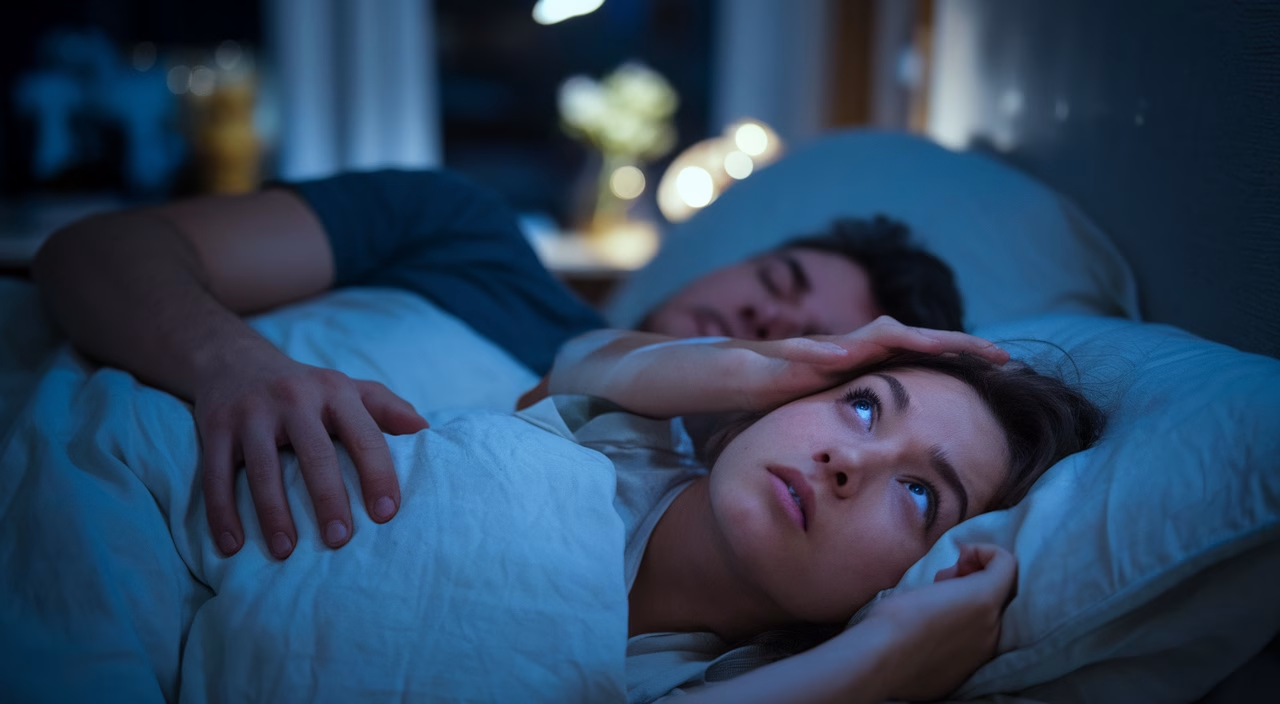
You might brush it off at first—a few nights of poor sleep quality, an occasional groggy morning. But if your partner’s snoring is a nightly soundtrack, it’s time to take notice. This isn’t just about annoyance—it’s about health. Chronic sleep disturbance from partner snoring effects can lead to issues such as:
- Daytime fatigue and brain fog
- Decreased focus and productivity
- Heightened irritability, anxiety, or even depression
- Lowered immunity, making you more susceptible to illness
Ever find yourself crashing at 3 PM or relying on caffeine to keep your eyes open? These may be signs that your sleep quality is suffering due to your partner’s breathing problem at night. And it’s not just the hours of sleep—it’s the constant interruptions that pull you from deep, restorative cycles.
Long-Term Health Risks Associated with Sleep Deprivation
Importance of Addressing the Issue for Better Overall Health
The health risks of chronic sleep deprivation are not just inconvenient—they’re dangerous. Over time, lack of restorative sleep from partner snoring effects can increase your chances of developing:
- Cardiovascular Problems: High blood pressure and heart disease can stem from interrupted sleep cycles.
- Cognitive Decline: Quality sleep is critical for memory consolidation and mental sharpness.
- Weight Gain: Disrupted sleep affects hormones that regulate hunger and metabolism.
- Weakened Immunity: Less sleep means your body can’t fight infections as effectively.
- Mental Health Disorders: Prolonged sleep deprivation increases the risk of anxiety, depression, and mood disorders.
In other words, your body and brain treat sleep as essential maintenance. Without it, systems start to malfunction. That’s why it’s so important not to dismiss your partner’s snoring as a simple inconvenience. It’s a sleep disturbance with serious, multifaceted health consequences.
Practical Solutions to Improve Your Sleep despite Your Partner’s Snoring
Strategies for Enhancing Sleep Quality
Let’s move from frustration to action. How can you achieve better sleep quality while your partner snores just feet away? Here are evidence-based snoring solutions and practical fixes:
- Use Earplugs or White Noise Machines: Block out snoring with persistent ambient noise or physical noise barriers to improve sleep quality.
- Adjust Your Bed: Raise the snorer’s head to open airways and explore sleeping in different positions. Encourage side-sleeping to reduce airway blockage.
- Sleep Separately (When Needed): Don’t feel guilty exploring a “sleep divorce”—even on weekdays—to protect your health from partner snoring effects.
- Explore Medical Issues: Chronic snoring often indicates a breathing disorder, such as sleep apnea. A sleep study can pinpoint causes and treatment options.
- Sound-Proof Smartly: Add heavy curtains, use rugs and textiles, or even insert acoustic panels to muffle early-morning noise.
Cost Guide: How Much do Sleep Solutions Cost?
| Solution | Low-End | Mid-Range | High-End |
|---|---|---|---|
| Earplugs or White Noise | $10–$30 | $30–$75 | $100+ |
| Soundproofing | $50 | $200 | $500+ |
| Separate Sleeping Spaces | Free (sofa) | $500+ (bed upgrades) | $1,500+ (room renovation) |
| Medical Evaluation | $100 (consult) | $300 (sleep test) | $1,500+ (complete treatment) |
Enhancing Partnership Communication for a Harmonious Sleep Environment
Partnership Strategies for Better Sleep with a Snoring Partner

Approaching your snoring partner with frustration can breed conflict—but compassion can foster change. Here’s how to communicate effectively about partner snoring effects with tact and empathy:
- Use “I” Statements: “I feel exhausted and need better sleep quality” focuses on your need, not their fault.
- Avoid Accusations: Snoring is not intentional. Focus on finding snoring solutions, not blame.
- Schedule a Calm Talk: Avoid heated, sleep-deprived conversations at midnight. Talk in daylight when both of you are calmer.
- Commit to a Plan Together: Whether it’s making a doctor’s appointment or testing new devices, make it a team effort.
- Celebrate Progress: Even small improvements in sleep quality deserve acknowledgement and encouragement.
Remember—this is not just about fixing “their” problem. It’s about rebuilding a shared sanctuary where both of you feel rested, supported, and close. Quality sleep isn’t just a health tool; it’s relationship glue, and repairing it together can bring you closer than ever.
Final Thoughts: Reclaim Your Night, Protect Your Health
When partner snoring effects drive a wedge in your sleep and sanity, it’s more than a minor annoyance—it’s a health hazard. The good news? You have proven snoring solutions. From exploring effective sleep strategies to realigning relationship communication, the journey to better sleep quality starts with awareness and action. Don’t let this be your normal. Advocate for your right to restorative rest, for the sake of your health and your relationship. You deserve deep, uninterrupted sleep—and so does your partner.
Frequently Asked Questions
- Can your partner’s snoring affect your sleep?
Yes. Chronic exposure to partner snoring effects disturbs sleep cycles and leads to sleep deprivation, increasing risks of fatigue, mood swings, and long-term health conditions. - What are the symptoms of sleep deprivation from a snoring partner?
Symptoms include fatigue, irritability, difficulty concentrating, weakened immune response, and potential mental health issues if prolonged. - Should I consider sleeping in a separate room?
Yes, temporarily or permanently sleeping apart can help preserve your health while you work on addressing the underlying snoring issue. - Is snoring always a medical problem?
Not always, but frequent or loud snoring can be a sign of conditions like sleep apnea. It’s important to consult with a medical professional for proper snoring solutions. - How can I talk to my partner about this without upsetting them?
Use non-accusatory language, approach the discussion during the day, and express the impact on your sleep quality with care and empathy. - Are earplugs or white noise machines effective?
Yes. While not a long-term solution, they can significantly reduce sleep disturbances and are affordable, low-barrier interventions to improve sleep quality.