How Can You Tell If Snoring Is a Sign of Sleep Apnea?
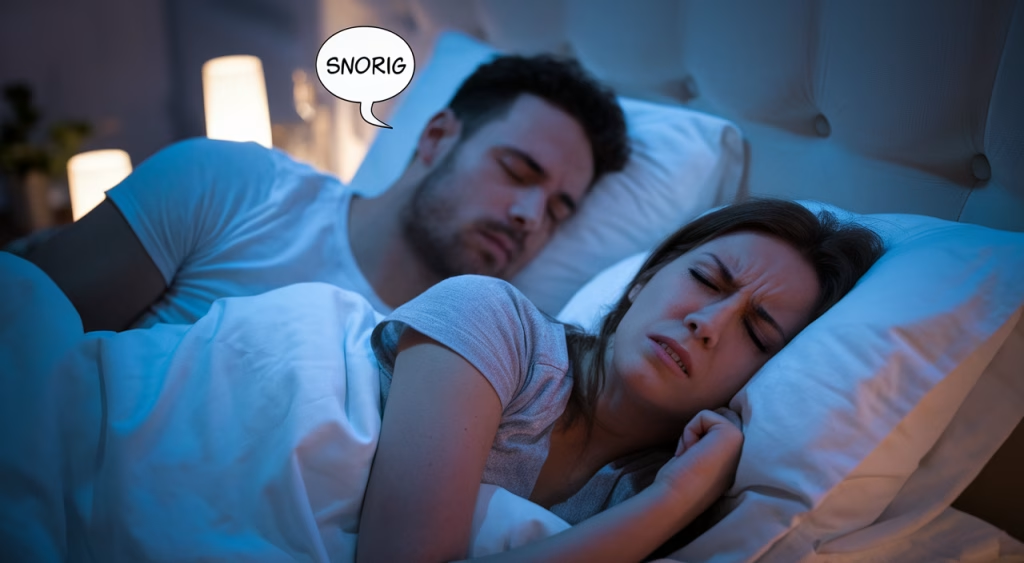
Snoring might seem harmless — just a loud annoyance keeping your partner awake. But in many cases, it’s your body’s warning signal for something far more serious: sleep apnea. Understanding how to differentiate between snoring and sleep apnea could be the key to transforming your nights and reclaiming your energy.
TL;DR — Summary
- Snoring is common and usually harmless, but it can also be a symptom of sleep apnea.
- Obstructive sleep apnea (OSA) causes upper airway blockages during sleep that interrupt breathing and affect oxygen flow.
- Key signs to differentiate between snoring and sleep apnea include gasping, choking sounds, and excessive daytime fatigue.
- Proven lifestyle changes like weight management and sleep position adjustments can dramatically reduce symptoms.
- Medical treatments ranging from CPAP therapy to oral appliances offer effective solutions for moderate to severe cases.
The Connection Between Snoring and Sleep Apnea
– What is Snoring?
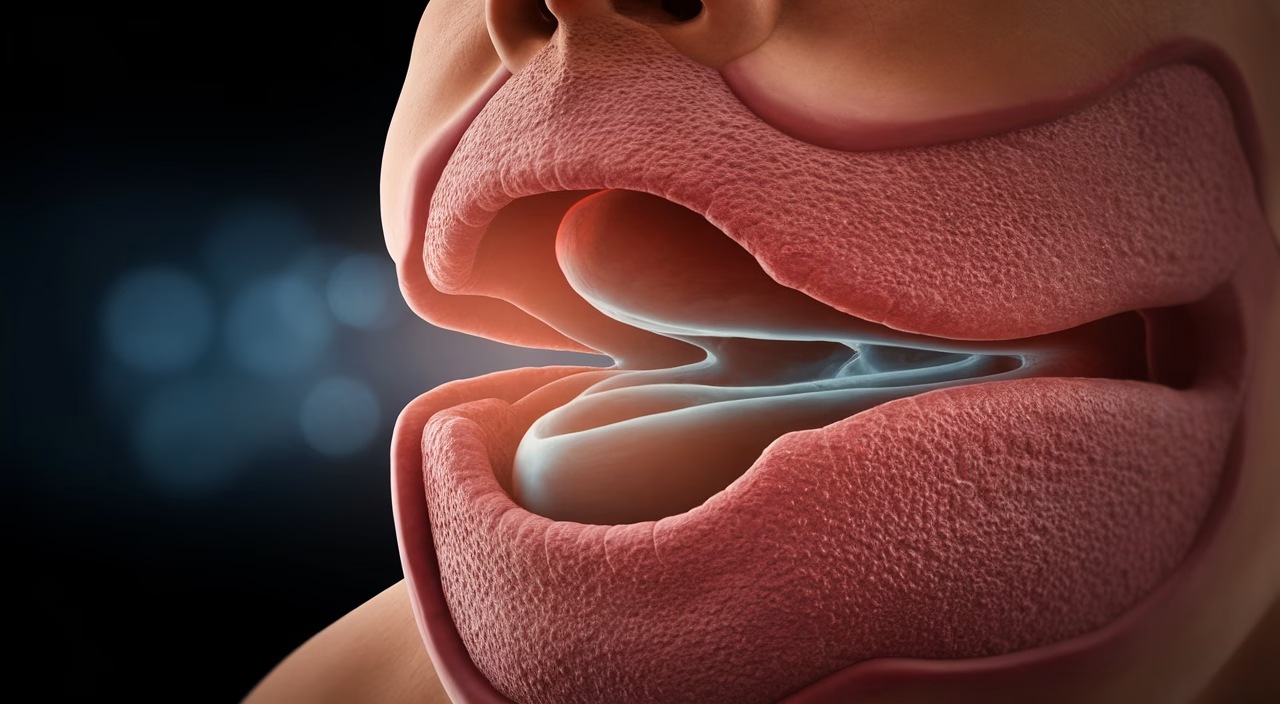
Snoring occurs when air flows through relaxed tissues in your upper airway, causing them to vibrate and create that familiar rumbling sound. Think of it like air moving through a partially collapsed garden hose — the narrower the passage, the louder the vibration.
Simple snoring often happens when you sleep on your back, allowing your tongue and soft palate to settle against the back of your throat. While this can disrupt your partner’s sleep, it doesn’t necessarily indicate a serious health problem.
– Understanding Obstructive Sleep Apnea
Obstructive sleep apnea (OSA) takes snoring to a dangerous level. With sleep apnea, your upper airway doesn’t just narrow — it completely blocks, stopping airflow for 10 seconds or longer. Your brain jolts you awake just enough to restart breathing, but you likely won’t remember these brief awakenings.
This cycle of blocked breathing and micro-awakenings can repeat hundreds of times each night, preventing you from reaching the deep, restorative sleep stages your body desperately needs. The key difference between snoring and sleep apnea lies in these complete breathing interruptions and their impact on your sleep quality.
Signs and Symptoms
– Common Signs of Snoring
Basic snoring typically involves:
- Consistent vibrating or rumbling sounds during sleep
- Noise that varies with sleep position — usually louder on your back
- Temporary improvement when you clear nasal congestion
- Worsening after alcohol consumption or during illness
While disruptive, simple snoring usually doesn’t significantly impact your oxygen levels or leave you feeling exhausted the next day.
– Key Symptoms of Sleep Apnea
Learning to differentiate between snoring and sleep apnea becomes crucial when you notice these warning signs:
- Loud snoring interrupted by complete silence, followed by gasping or choking sounds
- Waking up feeling unrefreshed despite spending 7-8 hours in bed
- Overwhelming daytime drowsiness that interferes with daily activities
- Morning headaches and persistent dry mouth upon waking
- Difficulty concentrating, memory problems, or mood changes
- Your partner observes you stopping breathing during sleep
These symptoms indicate that your upper airway obstruction is severe enough to fragment your sleep and reduce oxygen flow to vital organs.
Effective Treatments
– Lifestyle Changes to Reduce Snoring
Before exploring medical interventions, these proven lifestyle changes can significantly reduce both snoring and mild sleep apnea symptoms:
- Maintain a healthy weight: Even modest weight loss can reduce fatty tissue around your upper airway, improving airflow.
- Sleep on your side: This simple position change prevents your tongue from blocking your airway.
- Avoid alcohol before bedtime: Alcohol relaxes throat muscles excessively, worsening upper airway collapse.
- Keep nasal passages clear: Use saline rinses or treat underlying allergies to optimize breathing.
- Establish consistent sleep habits: Regular sleep schedules help maintain healthy sleep architecture.
– Medical Interventions for Sleep Apnea
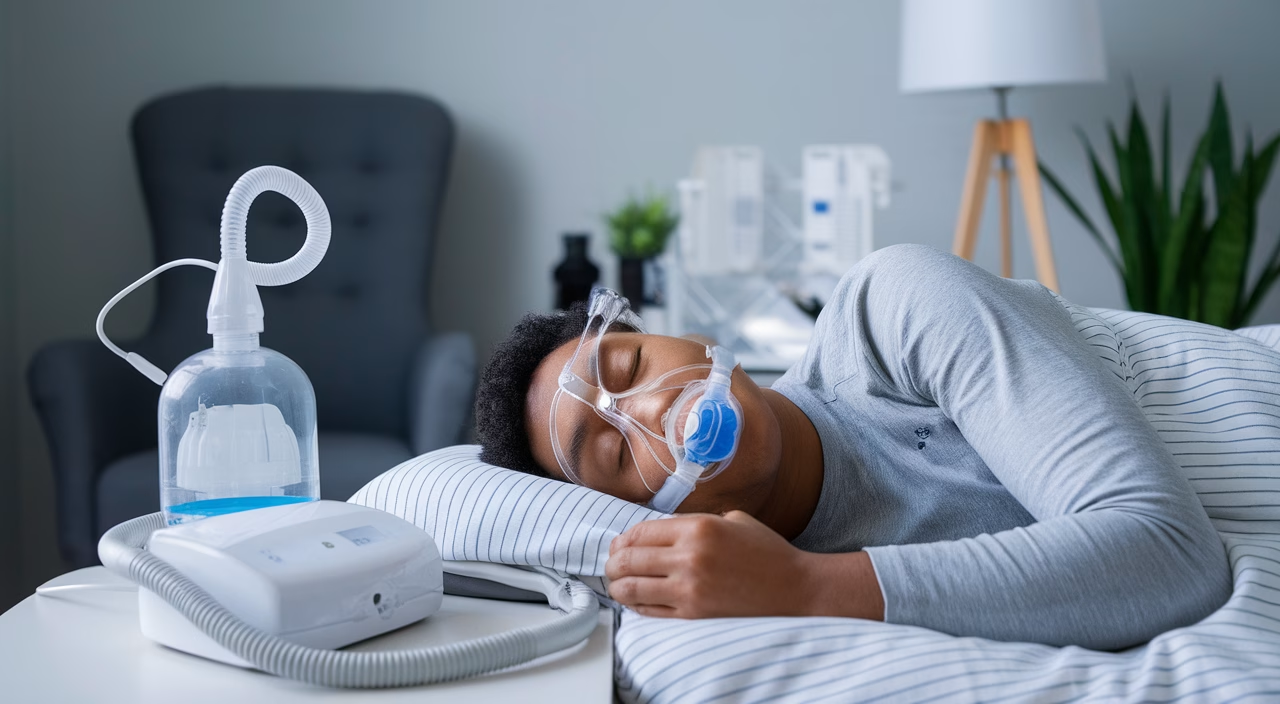
When lifestyle changes aren’t enough to address obstructive sleep apnea, these medical treatments offer effective solutions:
- CPAP therapy: Delivers continuous positive airway pressure through a mask, keeping your upper airway open throughout the night.
- Oral appliances: Custom-fitted devices that reposition your jaw or tongue to prevent airway collapse.
- Surgical options: Procedures to remove excess tissue, correct structural problems, or implant devices that stimulate airway muscles.
The right treatment depends on your specific anatomy, the severity of your sleep apnea, and your personal preferences. A sleep specialist can help you choose the most effective approach.
Cost Guide: How Much Do Treatments for Sleep Apnea Cost?
| Treatment Type | Estimated Cost |
|---|---|
| CPAP Machine | $250 – $1000 |
| Oral Appliance | $500 – $2000 |
| Sleep Study (Home) | $150 – $500 |
| In-Lab Sleep Study | $1000 – $3500 |
| Surgery | $3000 – $10,000+ |
Risk Factors and Prevention
– Factors that Increase the Risk of Sleep Apnea
Understanding these risk factors helps you assess whether your snoring might indicate sleep apnea:
- Excess weight: Particularly neck circumference over 17 inches (men) or 16 inches (women)
- Age and gender: Risk increases with age, and men are twice as likely to develop sleep apnea
- Family history: Genetic factors can affect upper airway structure and muscle tone
- Lifestyle factors: Smoking and regular alcohol use significantly increase your risk
- Medical conditions: High blood pressure, diabetes, and heart disease often co-occur with sleep apnea
– Preventive Measures and Strategies
Take these proactive steps to protect your upper airway health and prevent sleep apnea from developing or worsening:
- Maintain a healthy BMI through balanced nutrition and regular exercise
- Practice good sleep hygiene with consistent bedtimes and optimal sleep environment
- Address nasal congestion promptly with appropriate treatments
- Limit alcohol consumption, especially within 3 hours of bedtime
- Seek evaluation if your partner notices breathing irregularities during sleep
Final Thoughts
Your snoring could be your body’s way of telling you that something isn’t right with your sleep. While not every case of snoring indicates sleep apnea, learning to differentiate between snoring and sleep apnea empowers you to take control of your health.
Don’t let another night of poor sleep steal your energy and well-being. Whether you’re dealing with simple snoring or suspect obstructive sleep apnea, the right combination of lifestyle changes and medical treatment can transform your nights — and your days.
Frequently Asked Questions
No, not all snoring is caused by sleep apnea. However, frequent loud snoring, especially when accompanied by gasping, choking, or daytime fatigue, may indicate obstructive sleep apnea.
How can I tell if I have sleep apnea or just snore?
If you wake up tired, have pauses in breathing noticed by others, or experience daytime drowsiness, a sleep study can help differentiate between simple snoring and apnea.
What’s the best sleeping position to reduce snoring?
Sleeping on your side minimizes the risk of your upper airway collapsing. Try a special pillow that keeps you propped in this position throughout the night.
Does losing weight help with sleep apnea?
Absolutely. Fat around the upper airway can increase pressure and narrow breathing passages — losing weight often reduces both snoring and the severity of sleep apnea.
Is sleep apnea dangerous if untreated?
Yes. Long-term, untreated sleep apnea raises your risk of heart disease, high blood pressure, stroke, diabetes, and even accidents caused by daytime fatigue.
Can kids have sleep apnea too?
Yes, especially if they have enlarged tonsils or are overweight. Pediatric sleep apnea can affect development and behavior if left untreated.
Are there natural remedies that work for snoring?
Positional therapy, weight loss, avoiding alcohol before bedtime, and using nasal strips or saline rinses can all reduce snoring symptoms.