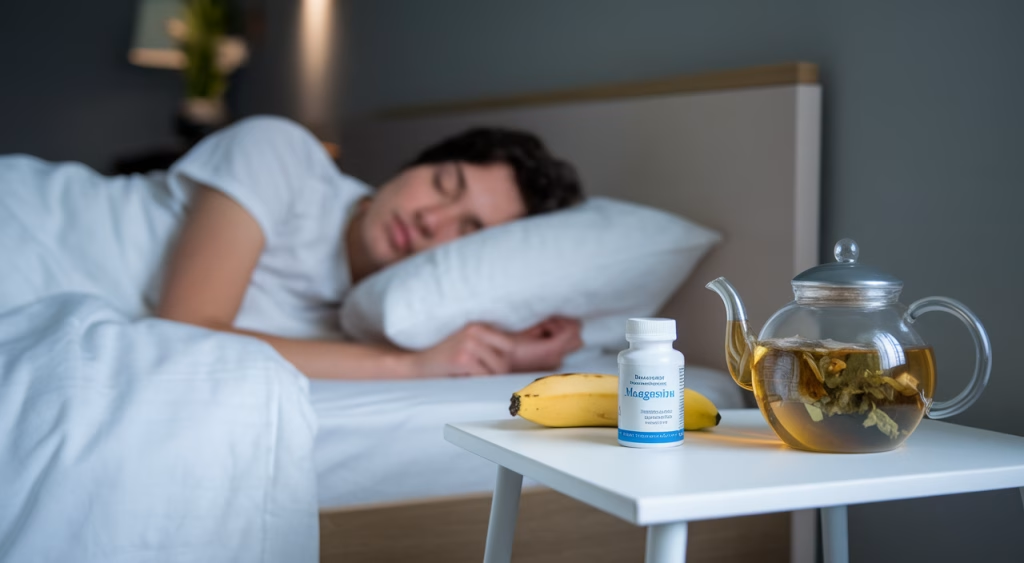
What are the most effective natural treatments for snoring?
The most effective natural treatments for snoring include targeted lifestyle modifications like weight loss and sleep position changes, combined with proven mouth exercises to reduce snoring, herbal remedies, and positional therapy. Since every snoring case is unique, we’ll help you identify what’s causing your snoring and choose treatments for snoring that are tailored specifically to your situation.
TL;DR Summary: Top Natural Treatments for Snoring
- Lifestyle changes: Losing excess weight and adopting better sleep hygiene often dramatically reduce snoring frequency and intensity.
- Natural remedies for snoring: Herbal teas, essential oils, and nasal dilation techniques can improve airflow and reduce snoring naturally.
- Mouth exercises to reduce snoring: Daily 10-minute routines targeting tongue and jaw muscles strengthen your airway and reduce soft tissue collapse.
- Track your sleep position: Back sleeping contributes to gravity-related airway obstruction. Positional therapy is one of the most powerful snoring remedies available.
- Be patient with treatments for snoring: Most natural approaches take several weeks to show significant improvements, especially when you combine multiple strategies.
Understanding the Root Causes of Your Snoring
Snoring happens when airflow becomes partially blocked as you breathe during sleep, causing vibrations in the soft tissues of your throat or nose. While it might seem harmless, chronic snoring can seriously disrupt sleep quality—for both you and your partner—and may signal underlying issues like sleep apnea.
There’s no universal solution because your snoring is influenced by multiple factors, including:
- Excess weight around your neck and upper airways
- Allergies or chronic nasal congestion that force mouth breathing
- Smoking and alcohol consumption before bed
- Consistently sleeping on your back
- Structural differences like a deviated septum or enlarged tonsils
Understanding what specifically triggers your snoring is the first—and most crucial—step in choosing the right treatments for snoring that will actually work for you.
Lifestyle Changes That Stop Snoring at Its Source
Simple but powerful habit changes can dramatically reduce your snoring patterns over time. Let’s explore the most effective approaches.
Diet and Exercise Tips to Reduce Snoring

Carrying extra weight, especially around your upper body and neck, increases pressure on your airway while you’re sleeping. Even a modest 5–10% weight loss can yield noticeable improvements in snoring frequency and intensity.
Key dietary changes that reduce snoring include:
- Cutting back on processed and high-fat foods, which contribute to tissue inflammation and excess weight around your airways
- Eating dinner earlier (avoid heavy meals 2–3 hours before bed to prevent acid reflux, a sneaky snoring trigger you might not expect)
- Staying hydrated throughout the day to keep nasal passages and throat tissues from becoming sticky
When you pair these changes with light to moderate cardio exercises, you’ll likely start to snore less—or stop entirely—within just a few weeks.
Positional Therapy and Sleep Hygiene That Works
Did you know your sleeping position dramatically affects your airflow? When you sleep on your back, gravity pulls soft tissues downward, naturally closing your throat. That’s why many people find immediate relief from snoring remedies focused on side sleeping. You can use body pillows, wedge cushions, or specialized positional wearables to retrain your sleep posture.
Effective sleep hygiene includes maintaining a consistent bedtime schedule, avoiding caffeine after 2 PM, and sleeping in a cool, dark room. These habits support deeper, more restorative sleep while reducing the chances of mouth breathing and heavy snoring that disrupts everyone’s rest.
Proven Natural Remedies for Snoring That Actually Work
Sometimes, the most effective treatments for snoring are the gentlest. Here’s how natural approaches can help open your airways and quiet your nights.
Herbal Solutions and Essential Oils for Better Breathing
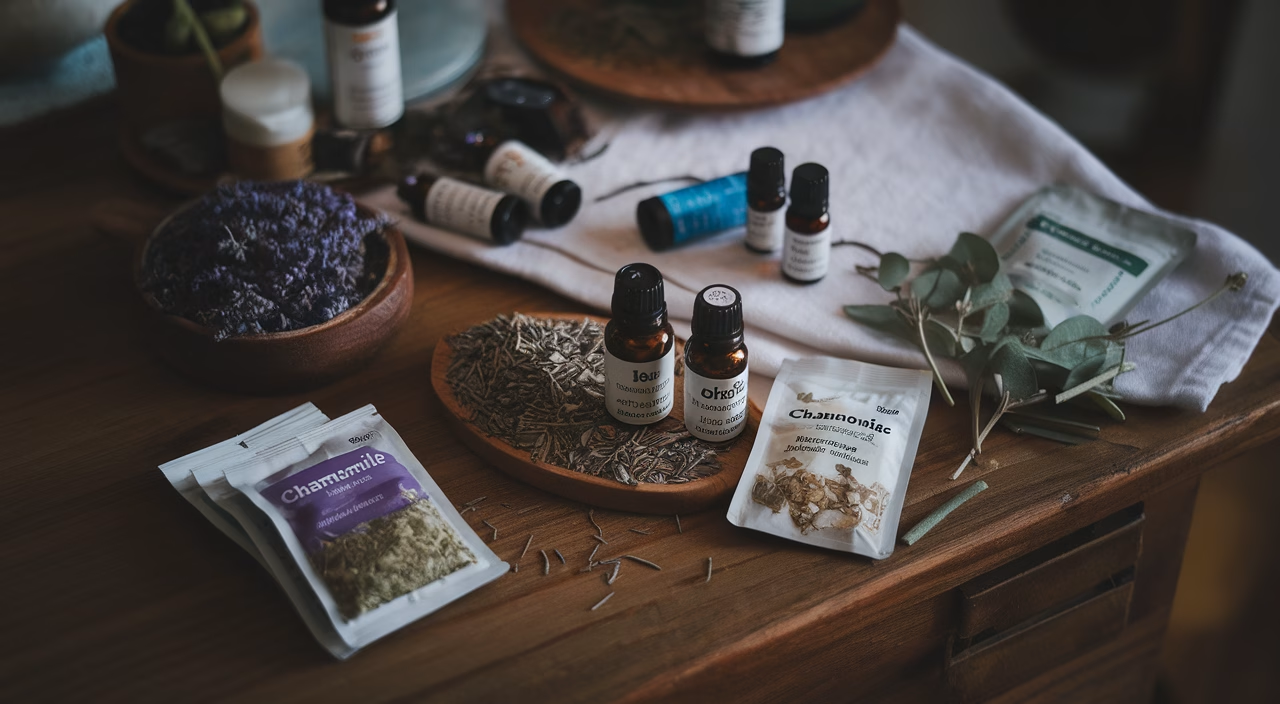
Herbs and essential oils have been used for centuries to ease airway inflammation and support easier breathing. While they’re not miracle cures, these natural remedies for snoring can powerfully support your other lifestyle changes:
- Peppermint & Eucalyptus oils: Add 3-4 drops to a bowl of hot water and breathe in the steam for 5 minutes before sleep. These oils reduce nasal inflammation and encourage clearer breathing pathways.
- Nettle or ginger tea: Drink these anti-inflammatory teas 30 minutes before bed to reduce mucus buildup, especially during allergy seasons when snoring often worsens.
- Raw honey throat coating: Take one teaspoon of raw honey before bed to reduce vibrations in your throat lining and soothe irritated tissues.
Mouth Exercises to Reduce Snoring: Your Daily Routine
Your throat and tongue muscles directly affect nighttime airflow. When these oral muscles are weak, your tongue can collapse back into your throat, creating the perfect conditions for snoring.
Daily mouth exercises to reduce snoring, called oropharyngeal exercises, can tone these crucial muscle groups in just 10 minutes per day. The most effective exercises include:
- Tongue press: Push your tongue firmly against the roof of your mouth and hold for 10 seconds (repeat 10 times)
- Tongue slide: Slide the tip of your tongue backward along your palate as far as comfortable (repeat 15 times)
- Jaw and mouth stretch: Open your mouth wide and say an exaggerated “Aah” for 20 seconds
- Cheek resistance: Push your cheek out with your tongue while pressing back with your finger
Try combining these mouth exercises to reduce snoring with deep, yoga-style breathing to create a calming nighttime routine that addresses snoring from multiple angles.
Advanced Snoring Treatment Options You Should Know About
When lifestyle shifts aren’t enough to stop your snoring, these lesser-known but promising treatments for snoring might be exactly what you need.
Positional Therapy for Snoring: Beyond Basic Pillow Adjustments
As we discussed, back sleeping makes your tongue and soft palate fall backward, narrowing your airway and triggering snoring. Advanced positional therapy goes beyond simple pillow arrangements using:
- Specialized side-sleeping pillows designed to keep you comfortable all night
- Vibration-based wearable devices that gently buzz when you roll onto your back
- Elevated head or leg positioning systems that use gravity to keep airways open
This method works especially well for mild to moderate snoring cases that aren’t caused by underlying medical conditions like sleep apnea.
Acoustic Wave Therapy for Snoring: The Emerging Option
One of the newer treatments for snoring is low-level acoustic wave therapy. This completely non-invasive technique uses targeted sound waves to stimulate your soft palate tissue, improving muscle tone and reducing the vibrations that cause snoring. While it’s still emerging and requires multiple sessions, early research shows real promise for people with light to moderate snoring who want to avoid surgery or devices.
Cost Guide: What Do Snoring Treatments Cost?
| Treatment Option | Low-End | Mid-Range | High-End |
|---|---|---|---|
| Herbal Remedies | $5/month | $15/month | $30/month |
| Positional Sleep Aids | $20 | $60 | $100+ |
| Oropharyngeal Exercises | Free | N/A | Personal trainer apps ($10-$50) |
| Acoustic Wave Therapy | $300/session | $600/session | $1000+ |
Your Journey to Snore-Free Sleep Starts Tonight
Snoring might feel like an unchangeable nightly frustration, but with the right natural remedies for snoring and consistent effort, it’s something most of us can manage without surgery or uncomfortable devices. Think of it as gently tuning your body back into harmony using sustainable, natural solutions. Every small step you take—adjusting your sleep position, sipping herbal teas, or practicing mouth exercises to reduce snoring—brings you closer to quieter, more restorative nights for everyone in your household.
The most effective strategy? Start simple and stay consistent. Evaluate your current habits, choose one or two treatments for snoring to try consistently for 4–6 weeks, then observe how your sleep quality evolves. As someone who’s helped countless people overcome their snoring challenges, I can tell you—this journey toward better sleep is absolutely worth taking.
Frequently Asked Questions
What to do before sleeping to stop snoring?
Try using a saline nasal rinse, avoid alcohol and heavy meals close to bedtime, do a few mouth-strengthening exercises, and position yourself to sleep on your side. These actions prep the airways for smooth breathing.
Are snoring remedies effective for everyone?
No remedy works for everyone because the cause of snoring varies. However, combining multiple strategies—like lifestyle changes and oropharyngeal exercises—usually yields the best results.
How long do natural remedies for snoring take to work?
In most cases, you’ll need to commit to at least 3–6 weeks of consistent effort to start seeing results from natural treatments like breathing exercises or herbal solutions.
Can allergies make snoring worse?
Yes, blocked nasal passages from allergies can worsen snoring significantly by forcing you to breathe through your mouth, which increases throat vibrations.
Is positional therapy safe?
Yes, it’s one of the safest and most cost-effective options, especially for people with mild positional snoring who don’t have sleep apnea.
When should I see a doctor about my snoring?
If your snoring is accompanied by gasping, choking sounds, or extreme daytime sleepiness, you may have sleep apnea and should consult a physician or sleep specialist.
Are mouthguards or CPAP machines the only fixes?
No. While these are common for obstructive sleep apnea, many non-invasive remedies and lifestyle approaches can minimize or stop snoring entirely in less severe cases.