How Can I Stop Snoring Naturally at Home?
Snoring can feel like a nightly battle—for both you and your bed partner. If you’ve been searching for ways to stop snoring naturally without turning to medication or surgery, you’re in the right place. Many people are surprised to learn that effective change starts with understanding what’s happening in your own body and bedroom environment.
TL;DR: Simple Snoring Solutions You Can Start Today
- Identify the Cause: Understand if your snoring is due to lifestyle, nasal congestion, or possible sleep apnea.
- Change Your Sleep Position: Sleeping on your back often worsens snoring—side-sleeping is more effective.
- Use Natural Remedies: Try steam inhalation, hydration, and herbal methods like peppermint or eucalyptus oil.
- Incorporate Throat Exercises: Muscle tone matters—daily gentle workouts for your throat and tongue can reduce snoring.
- Avoid Alcohol & Heavy Dinners: These relax throat muscles or add pressure on airways—triggering snoring.
- Seek Medical Advice: Consistent loud snoring should never be ignored; it could signal sleep apnea or another issue.
Understanding the Causes of Snoring
Snoring happens when the airflow through your nose or mouth is partially obstructed during sleep. This obstruction causes the nearby tissues to vibrate, producing the familiar rumbling noise. But what’s causing that blockage in the first place?
- Nasal Congestion: Allergies, colds, or sinus issues restrict nasal airflow, forcing mouth breathing and increasing snoring.
- Throat Muscle Weakness: Aging or poor muscle tone in the tongue and throat can cause collapse during sleep.
- Obesity: Extra tissue in the neck can squeeze airways, increasing the likelihood of snoring.
- Alcohol or Sedatives: These relax the muscles too much, inviting snoring episodes throughout the night.
- Sleep Apnea: A serious condition where the airway fully collapses repeatedly throughout the night.
It’s often a mixture of these factors that contribute, and identifying the root cause is the first step to selecting the right snoring remedies that will work for you.
Lifestyle Changes to Reduce Snoring
Let’s be honest—changing habits isn’t always easy, especially when the reward comes in the form of less noise. But when it comes to how to stop snoring naturally, lifestyle modifications often play the most important role in your success.
1. Shed Excess Weight
Extra tissue around the neck and throat intensifies pressure on your airways. Even a modest weight loss may make a noticeable difference in how deeply and quietly you sleep each night.
2. Skip the Nightcap
Alcohol near bedtime might feel relaxing, but it relaxes throat muscles to the point that they collapse inward. We recommend avoiding alcohol at least 3–4 hours before hitting the pillow.
3. Maintain a Regular Sleep Schedule
Irregular sleep leads to overtiredness, and overtired sleep can be deep—and snore-filled. Create a calming bedtime routine and stick to a schedule, even on weekends.
4. Avoid Heavy Evening Meals
Going to bed on a full stomach can crowd your diaphragm and shrink air passageways. Eat earlier in the evening, allowing at least 2–3 hours to digest before lying down.
Natural Remedies for Snoring
Nature offers gentle pathways to relief without side effects. Here are proven natural ways to reduce snoring that many find helpful:
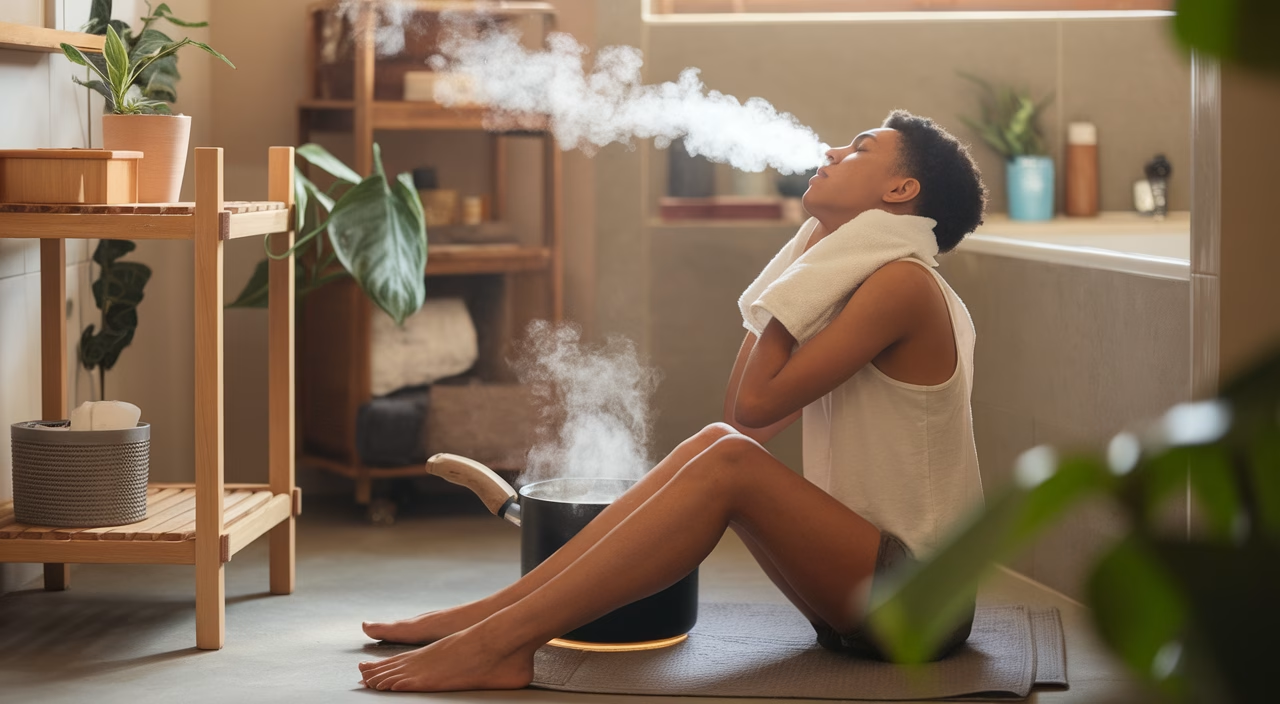
- Steam Inhalation: Clears nasal congestion before bedtime naturally.
- Essential Oils: Peppermint, eucalyptus, or thyme oils help open airways naturally.
- Neti Pot or Saline Spray: Rinses nasal passages, especially during allergy season when congestion worsens.
- Hydration: Dehydration can thicken mucus and contribute to snoring—aim for 8 glasses daily.
- Throat Exercises: See example table below for ways to stop snoring naturally
| Exercise | Description | Time Needed |
|---|---|---|
| Tongue Slides | Slide the tongue back and forth against the roof of the mouth | 2 minutes/day |
| Vowel Repetitions | Repeat ‘A-E-I-O-U’ loudly and clearly | 3 sets of 10 |
| Mandibular Push | Push the lower jaw out and hold | 10 seconds, repeat 5x |
Sleep Position Tips for Quieter Nights
The way you sleep can either open or block your airways. Back sleeping encourages sagging of the soft palate and tongue into the throat, making snoring worse.
Best Positions for Snore-Free Sleep:
- Side Sleeping: Sleep on your left side to enhance airflow and reduce pressure on your diaphragm—one of the most effective ways to stop snoring naturally.
- Use a Body Pillow: Keeps you from rolling onto your back unintentionally during sleep.
- Elevate the Head: Raising the head of your bed or using supportive pillows can prevent airway collapse and reduce snoring.
Cost Guide: Natural Anti-Snoring Approaches
| Solution | Low-End | Mid-Range | High-End |
|---|---|---|---|
| Steam Inhalation Setup | $0 (hot shower) | $15 (portable inhaler) | $50 (aromatherapy diffusers) |
| Throat Exercises Program | $0 (DIY) | $20 (mobile app) | $100+ (guided online coaching) |
| Positional Therapy Aids | $0 (pillow stack) | $30–50 (side-sleeping pillows) | $150+ (adjustable bed base) |

Seeking Professional Help for Chronic Snoring
What if you’ve tried every tip to stop snoring naturally, but the noise still persists? That’s a clear sign it’s time to consult a sleep specialist for professional evaluation.
Signs It’s Time to Talk to a Doctor:
- Snoring is loud enough to wake your partner—or even yourself
- You feel exhausted during the day despite a full night’s sleep
- There’s gasping, choking, or long pauses during your breathing at night—potential signs of sleep apnea
These symptoms could indicate sleep apnea—a potentially dangerous sleep disorder that requires medical attention. Sleep studies, oral appliance therapy, or even CPAP machines are options if natural snoring remedies don’t fully resolve the issue. You deserve restful sleep—and sometimes expert help is what seals the deal.
Final Thoughts
Snoring doesn’t just disrupt your nights—it can affect your health, mood, and relationships. But the good news? There are dozens of natural ways to reduce snoring and finally enjoy tranquil rest again. From easy lifestyle tweaks and clever sleep positions to time-tested herbal snoring remedies, you have multiple options to explore. Start by noticing your patterns, try what feels realistic to implement today, and track what helps you breathe—and rest—more deeply. We all deserve silent nights, and with these proven ways to stop snoring naturally, yours can begin tonight.
Frequently Asked Questions
Can snoring affect your breathing?
Yes. Snoring often reflects partial airway obstruction, and in severe cases like sleep apnea, breathing can pause multiple times per hour—which poses health risks if left untreated.
What home remedy is best for snoring?
Steam inhalation before bed, staying hydrated, and using side-sleeping positions are simple and effective home remedies for snoring.
Is snoring always a sign of sleep apnea?
No, not always. Occasional snoring doesn’t always mean you have sleep apnea, but frequent, loud snoring should be evaluated by a doctor.
Does losing weight help reduce snoring?
Yes. Weight loss can reduce the fatty tissue around the neck, which may relieve pressure on the airway and decrease or eliminate snoring.
Are there any exercises to stop snoring?
Yes. Throat and tongue exercises—like vowel repetitions and tongue positioning—can strengthen muscles and reduce airway collapse during sleep.
How do I elevate my head properly to reduce snoring?
You can use a wedge pillow or adjust your bed to elevate your head 4–6 inches. This helps keep airways open by preventing tongue collapse.
Can allergies cause snoring?
Absolutely. Allergies can lead to nasal congestion, which blocks your airflow and forces mouth breathing—frequently a major snoring trigger.