Can You Actually Sleep Better After Drinking Caffeine?
Absolutely — but you’ll need strategic timing, understanding of how caffeine affects your body, and proven techniques to counteract its stimulating effects on your sleep quality.
TL;DR Summary
- Caffeine blocks adenosine receptors, preventing natural sleepiness and significantly impacting sleep quality.
- Caffeine’s half-life is 5–7 hours, meaning it stays active in your system well into the evening.
- Sleep latency increases dramatically with caffeine consumption, often doubling the time it takes to fall asleep.
- Smart timing and targeted relaxation techniques can help you sleep better after caffeine consumption.
- Creating caffeine-conscious routines helps maintain sleep quality without giving up your favorite beverages entirely.
How Caffeine Disrupts Your Sleep Quality
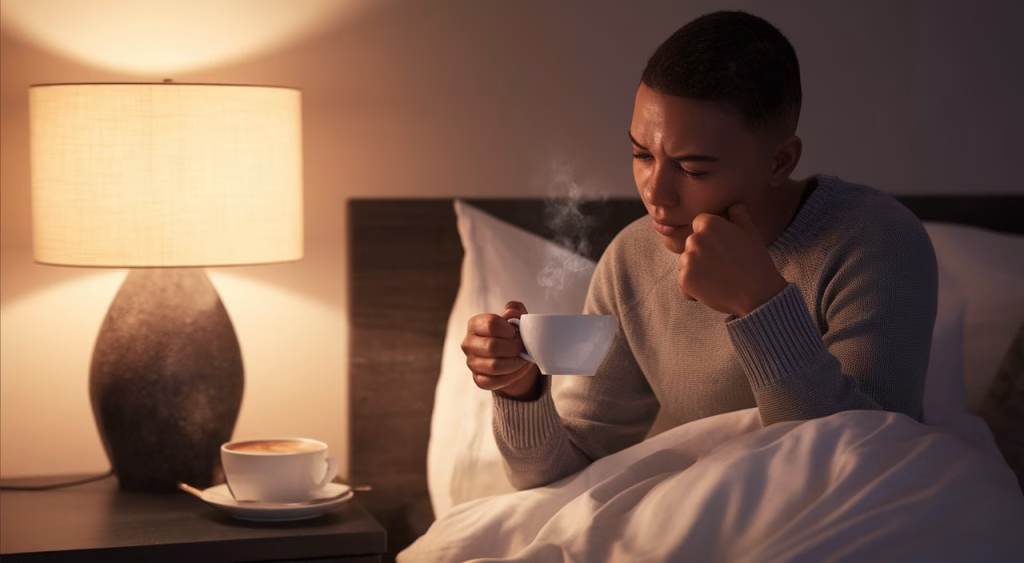
Ever wondered why that afternoon latte leaves you staring at the ceiling hours later? The answer lies in caffeine’s powerful effect on your brain’s natural sleep mechanisms and overall sleep quality.
When you consume caffeine, it blocks adenosine — the neurotransmitter responsible for making you feel sleepy as the day progresses. By occupying adenosine receptors, caffeine essentially tricks your brain into staying alert, directly impacting your ability to achieve quality sleep.
Here’s what makes caffeine consumption particularly challenging for sleep: its remarkably long half-life. Caffeine stays active in your system for 5-7 hours on average. If you drink a strong coffee at 3 p.m., you’re still processing significant amounts when you’re trying to wind down for the night. This extended presence disrupts sleep latency, fragments your sleep cycles, and reduces the restorative deep sleep your body needs.
Proven Strategies to Improve Sleep Quality After Caffeine
Had caffeine too late in the day? Don’t worry. These science-backed methods can help you recover your sleep quality and reduce the time it takes to fall asleep.
1. Prioritize Hydration for Better Sleep
Start by drinking plenty of water. Caffeine can dehydrate you, which paradoxically makes you feel both wired and exhausted. Proper hydration helps your kidneys process caffeine more efficiently and supports the natural mechanisms that promote sleep quality.
2. Use Magnesium and Herbal Sleep Aids
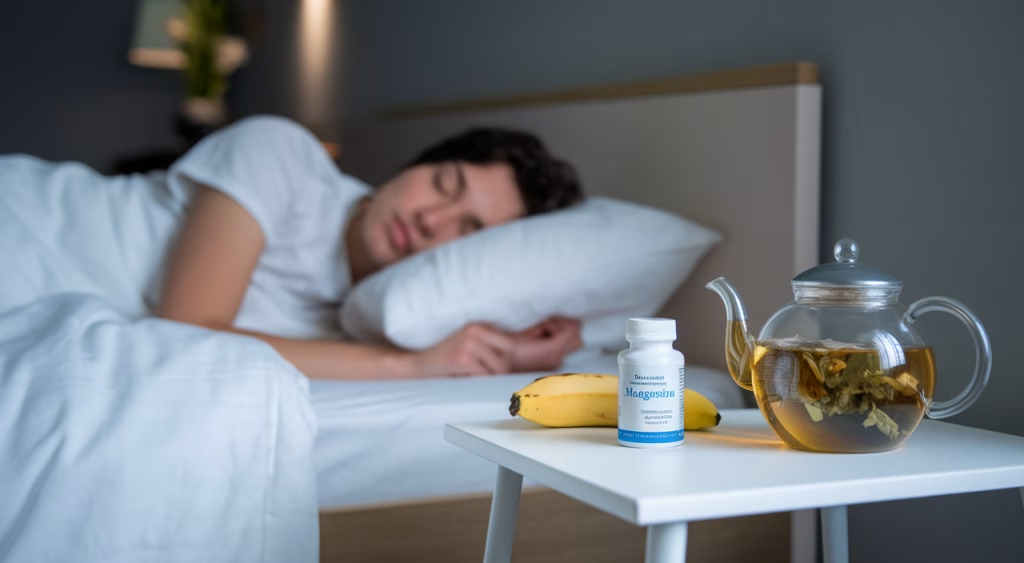
Foods rich in magnesium — like spinach, pumpkin seeds, and almonds — naturally counteract caffeine’s stimulating effects. Herbal teas such as chamomile, lemon balm, and valerian root can help reduce sleep latency and improve overall sleep quality after caffeine consumption.
3. Practice Deep Breathing for Sleep
Just 5-10 minutes of controlled breathing can dramatically improve your sleep quality after caffeine. Try the 4-7-8 technique: inhale for 4 counts, hold for 7, exhale for 8. This activates your parasympathetic nervous system and helps counteract caffeine’s alerting effects.
4. Create a Technology-Free Wind-Down
Blue light from screens compounds caffeine’s sleep-disrupting effects by suppressing melatonin production. Eliminate screens 1-2 hours before bed to give your sleep quality the best chance to recover from earlier caffeine consumption.
5. Consider Strategic Melatonin Use
When caffeine consumption has disrupted your sleep schedule, a low dose of melatonin (0.5-1 mg) taken 60-90 minutes before desired bedtime can help reset your natural sleep-wake cycle. Always consult with a healthcare provider before regular use.
Understanding How Caffeine Affects Sleep Latency
Sleep latency — the time it takes to fall asleep once you’re in bed — is one of the most noticeable effects of caffeine consumption. Even moderate amounts can extend sleep latency from a normal 10-20 minutes to 30-60 minutes or more.
Caffeine also reduces sleep efficiency, which measures how much of your time in bed is actually spent sleeping. This means even when you do fall asleep after caffeine consumption, the quality may be compromised.
| Sleep Metric | Caffeine-Free | Post-Caffeine |
|---|---|---|
| Sleep Latency | 10–20 mins | 30–60+ mins |
| Sleep Efficiency | 85–95% | 65–80% |
| REM Sleep Duration | 20–25% | 10–18% |
Understanding these impacts helps you make informed decisions about caffeine consumption and implement strategies to protect your sleep quality throughout the day.
Daily Habits to Maintain Sleep Quality Despite Caffeine
You don’t have to eliminate caffeine entirely to achieve excellent sleep quality. These daily strategies help you enjoy caffeine while minimizing its impact on your rest.

1. Establish Your Personal Caffeine Curfew
The most effective way to protect sleep quality is stopping caffeine consumption 6-8 hours before bedtime. If you typically sleep at 10 p.m., aim to have your last caffeinated drink by 2 p.m. This gives your body sufficient time to process the caffeine and restore natural sleepiness.
2. Understand Your Caffeine Sensitivity
Genetic variations in liver enzymes like CYP1A2 mean some people metabolize caffeine much slower than others. Pay attention to how caffeine affects your sleep quality and adjust your consumption timing accordingly. If morning coffee still impacts your evening sleep, you may be a slow metabolizer.
3. Use Exercise to Improve Sleep After Caffeine
Regular physical activity helps your body process caffeine more efficiently while building natural fatigue that supports better sleep quality. A brisk afternoon walk can help metabolize lingering caffeine and prepare your body for restful sleep.
4. Optimize Light Exposure for Better Sleep
Morning bright light exposure helps regulate your circadian rhythm and can reduce caffeine’s impact on evening sleep quality. Get 15-30 minutes of natural sunlight within an hour of waking to strengthen your natural sleep-wake cycle.
5. Design Your Sleep Environment
A cool, dark, quiet bedroom supports melatonin production and can help overcome caffeine’s alerting effects. Invest in blackout curtains, maintain temperatures between 60-67°F, and use white noise to create optimal conditions for sleep quality recovery.
Cost Guide: Sleep Improvement Tools
| Tool | Low-End | Mid-Range | High-End |
|---|---|---|---|
| White Noise Machine | $20 | $60 | $100 |
| Blackout Curtains | $30 | $80 | $150 |
| Guided Meditation App | Free | $9.99/month | $99/year plan |
| Herbal Sleep Aids | $10 | $25 | $40+ |
Achieving Better Sleep Quality With Smart Caffeine Management
The relationship between caffeine and sleep doesn’t have to be an endless battle. You can enjoy your favorite caffeinated beverages while maintaining excellent sleep quality by understanding timing, implementing proven recovery strategies, and creating sleep-supportive routines.
Remember, improving sleep quality after caffeine consumption is about working with your body’s natural processes, not against them. With these evidence-based strategies, you can have your coffee and sleep well too.
Frequently Asked Questions
Does caffeine before bed make you snore?
For some individuals, yes. Caffeine can increase airway muscle tone and tension, potentially exacerbating snoring in sensitive individuals by altering respiratory patterns during sleep.
How long should I wait to sleep after caffeine?
Ideally, you should allow at least 6–8 hours between your last dose of caffeine and bedtime to minimize interference with sleep latency and efficiency.
Can drinking water flush out caffeine faster?
Water supports normal kidney filtration and can help your body eliminate caffeine slightly faster, but it won’t entirely negate its effects on your nervous system.
Are there any foods that counteract caffeine?
Foods rich in magnesium, fiber, and certain amino acids (like tryptophan) may support natural relaxation and help reduce caffeine’s effects.
Is decaf a better alternative for sleep-sensitive people?
Yes. While decaf still contains small caffeine amounts, it’s a much better alternative for late-day sipping without major sleep disruption.
How do I know if I’m caffeine-sensitive?
If you notice alertness, jitters, rapid heart rate, or poor sleep even hours after consumption, you may be highly sensitive and need to limit your intake to mornings only.
Does caffeine cause insomnia long-term?
Chronic excessive caffeine consumption, especially in the afternoons or evenings, can contribute to longer-term patterns of insomnia. Monitoring intake can help reverse these effects.