Can Environmental Factors Really Cause or Worsen Snoring?
The short answer: Absolutely. Environmental factors like air pollution, home dampness, and poor indoor air quality can significantly contribute to snoring by irritating the airways, promoting congestion, or triggering allergies. When these elements combine with your physiology, they can turn a peaceful night’s sleep into a noisy, disruptive affair.
TL;DR: Summary
- Environmental triggers matter: Poor air quality and damp environments can increase airway resistance, worsening snoring.
- Key culprits: Indoor mold, urban air pollution, allergens, and stagnant airflow.
- Real-life risk: Snoring linked to environmental factors increases vulnerability to sleep apnea and interrupted sleep.
- Practical tips: Improve ventilation, use dehumidifiers, switch to hypoallergenic bedding, and keep indoor air clean.
- When to seek help: If snoring causes fatigue, gasping, or affects your partner’s rest, see a respiratory or sleep specialist.
Understanding Snoring and Its Causes
We tend to think of snoring as just a nighttime nuisance, but there’s much more to it. Snoring is essentially the sound of troubled airflow—air struggling through a partially blocked upper airway. This resistance causes the soft tissues in your throat to vibrate, producing the familiar snoring sound.
While weight, sleep position, and nasal anatomy are well-known snoring causes, many people overlook their surroundings. Think about your sleep environment. Is your bedroom stuffy or damp? Do you live in a city where pollution levels are high? These seemingly minor environmental factors might be the missing puzzle pieces behind your chronic snoring.
The Impact of Environmental Factors
Environmental contributors like dust, mold spores, and gases like nitrogen dioxide don’t just hang in the background—they actively affect your nighttime breathing. Here’s how environmental factors trigger snoring:
- Irritation of airways: Pollutants and allergens trigger inflammation, making airways narrower and increasing snoring.
- Nasal congestion: Common in damp environments or polluted areas, congestion forces mouth-breathing—a major cause of snoring.
- Impaired sleep quality: Environmental stressors reduce deep sleep, when muscle tone naturally relaxes and snoring can become louder.
It’s not just theory—scientific studies have shown increased reports of snoring in polluted regions. Let’s look at some of these environmental causes of snoring in more detail.
Home Dampness as a Contributor to Snoring
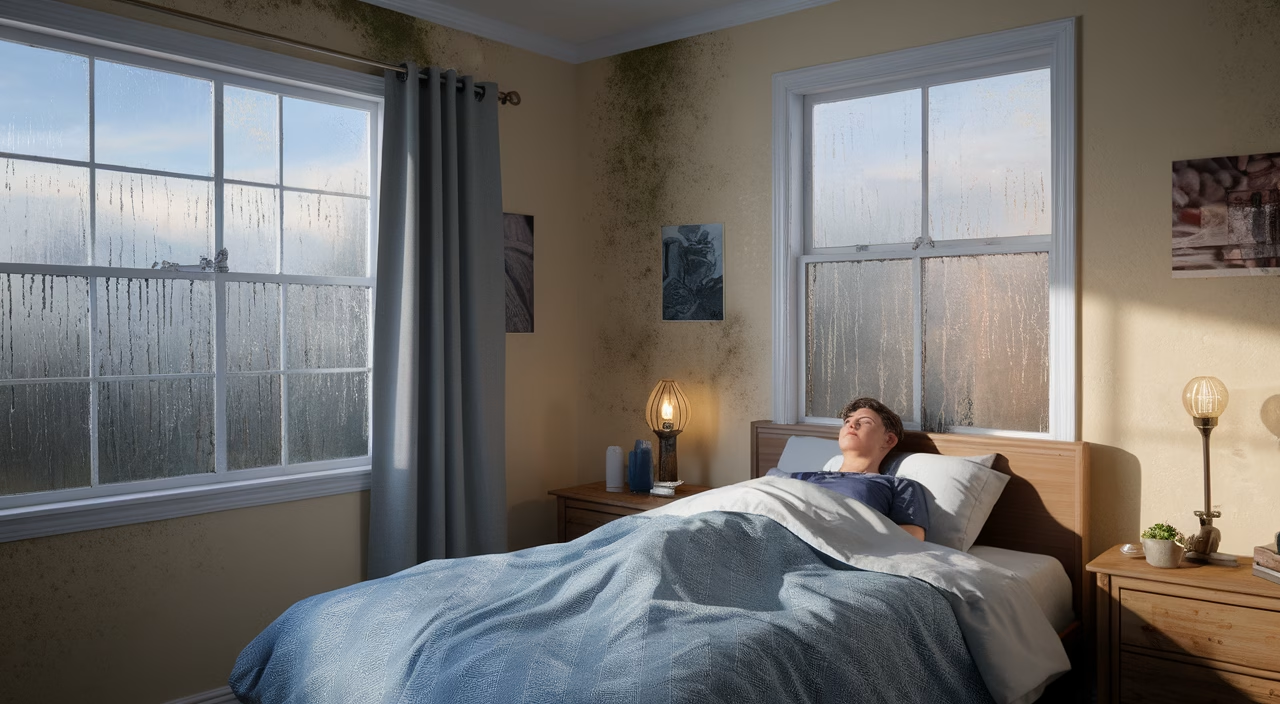
Ever walked into a basement and been hit with that musty smell? That scent is often mold—and it’s not just harmful to your nose, it’s trouble for your sleep too. Excess humidity inside the home encourages mold growth, dust mites, and bacteria, which can all irritate your upper airway and worsen snoring.
In clinical experience, patients with persistent snoring often describe bedrooms with high humidity or rooms that get little airflow. Over time, exposure to these damp conditions can lead to chronic nasal stuffiness or even allergic rhinitis—both major snoring triggers.
Prevention and Remedies
Reducing home dampness effectively can do wonders for your breathing at night and help minimize snoring. Here’s how you can take concrete steps:
- Invest in a dehumidifier: Aim to keep indoor humidity between 30–50% to reduce snoring triggers.
- Ventilate bathrooms and kitchens: Use exhaust fans or open windows to prevent moisture buildup.
- Fix leaks promptly: Wet walls or ceilings are mold’s best friend and can worsen environmental factors causing snoring.
- Switch to hypoallergenic bedding: Protect against dust mites and molds that contribute to snoring.
- Use mold-preventing cleaning agents: Particularly in areas with limited sunlight where dampness persists.
If you already notice your snoring increases on rainy days or in winter (when ventilation is poor), these steps may be critical for reducing your environmental snoring triggers.
Air Pollution and Snoring
Air pollution doesn’t clock out when you step indoors. Fine particulate matter, allergens, and gaseous irritants hitch a ride into your bedroom on shoes, clothes, and through open windows, creating environmental factors that worsen snoring.
Studies have shown a direct connection between air pollution—especially during wildfires or high-traffic periods—and increased snoring rates. Polluted air can inflame the lining of your airways, narrowing your breathing passages. That means more snoring and higher risk of sleep-disordered breathing, including sleep apnea.
Mitigation Strategies
Here’s how to reduce snoring caused by air pollution and improve your indoor air quality for peaceful rest:
- Deep-clean frequently: Wipe surfaces, vacuum with HEPA filters, and reduce clutter to minimize environmental snoring triggers.
- Air out your home strategically: Open windows during low-traffic times to minimize pollutant exposure while improving air quality.
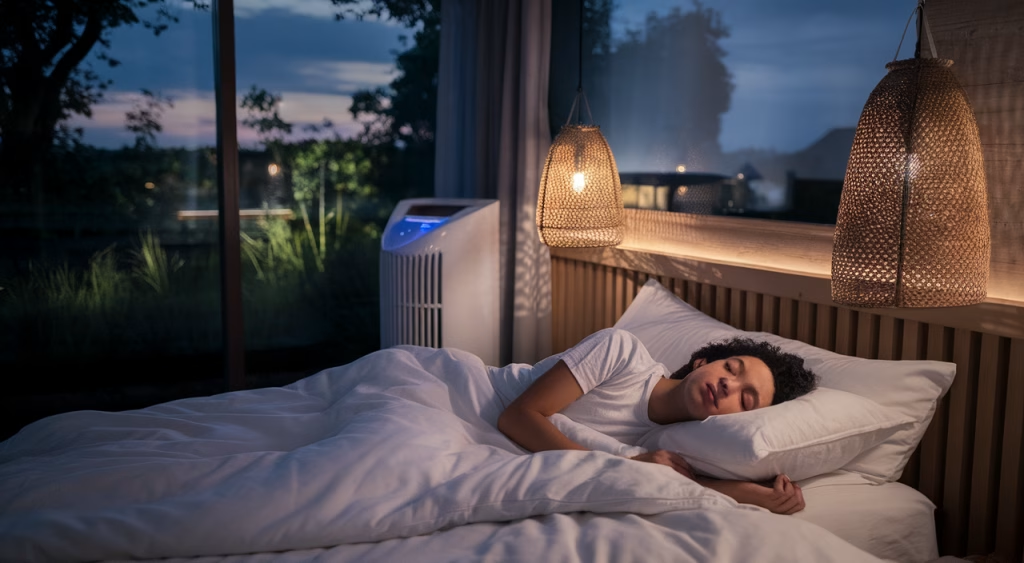
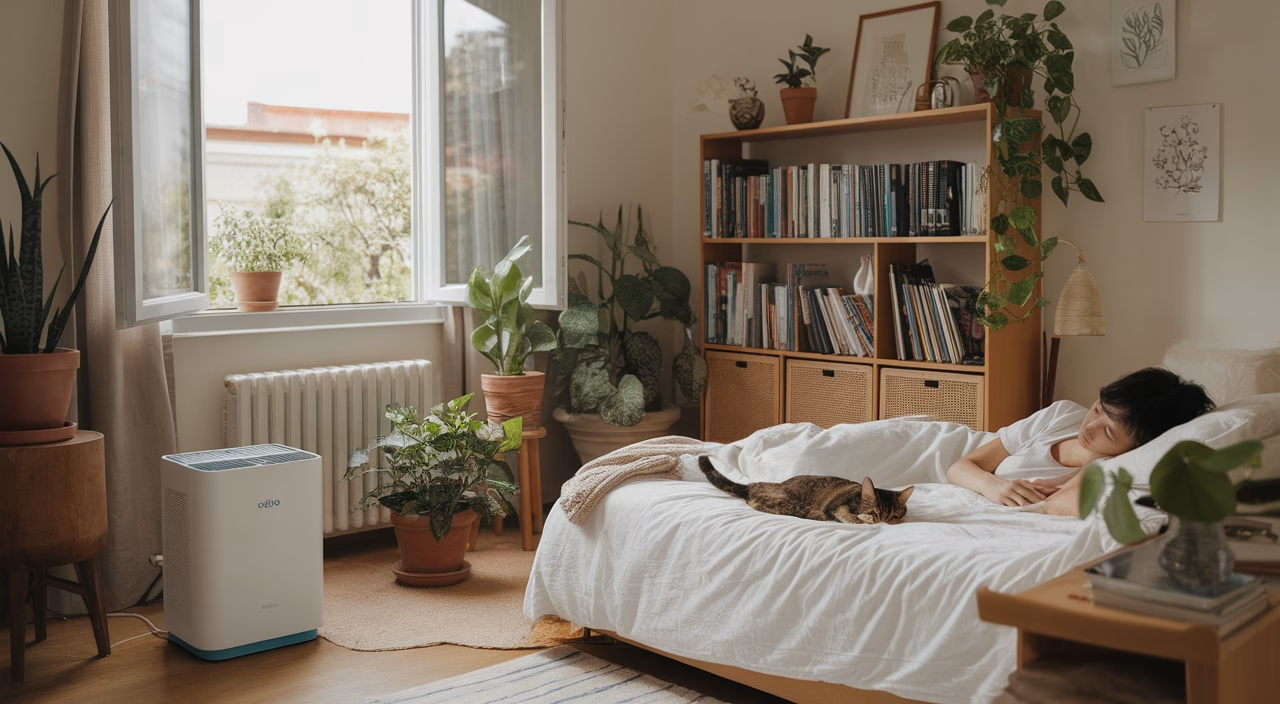
- Use air purifiers: Especially those that capture fine particles (PM2.5) and pollen that contribute to snoring.
- Change HVAC filters: Use high-quality filters and replace them regularly to reduce airborne snoring triggers.
- Limit indoor pollutant sources: Avoid burning candles or incense and minimize use of aerosols and cleaning sprays that can worsen snoring.
You might notice your snoring worsens after a day outdoors in poor air or when city smog levels are high. That connection isn’t a coincidence—it’s a signal your body is reacting to environmental factors affecting your sleep.
Natural Remedies for Environmental-Related Snoring
Now that you know the environmental causes, what can you do naturally to limit snoring exacerbated by these factors? A targeted approach, focused on both remedy and prevention, offers excellent results for reducing environmental snoring in many adults.
Lifestyle Changes and Tips
Try these practical, natural strategies designed to reduce airway inflammation, ease nasal breathing, and support clean air in your spaces to minimize environmental snoring:
- Elevate your head: Sleep with your head slightly raised to improve airflow and reduce snoring intensity.
- Stay hydrated: Dry air and dehydration lead to thick mucus, which can block nasal passages and worsen snoring.
- Do daily nasal rinses: Especially after exposure to pollution or allergens that trigger environmental snoring.
- Sleep on your side: Back sleeping can worsen tongue and soft palate collapse, increasing snoring volume.
- Practice steam inhalation: Adding mint or eucalyptus can help open nasal passages naturally and reduce snoring caused by environmental factors.
Cost Guide: Environmental Snoring Solutions
| Solution | Low-End Cost | Mid-Range Cost | High-End Cost |
|---|---|---|---|
| Dehumidifier | $30 | $80 | $250+ |
| Air Purifier | $50 | $150 | $500+ |
| Nasal Rinse Kit | $10 | $25 | $40 |
| Bedding Upgrades | $40 | $100 | $300+ |
Seeking Professional Help
If you’ve optimized your home environment but still snore nightly or experience symptoms like gasping, choking during sleep, or excessive daytime fatigue, it’s time to talk to a specialist. Your snoring may be a symptom of sleep apnea—an underdiagnosed but serious medical condition that requires professional evaluation beyond addressing environmental factors.
We often recommend patients undergo a sleep study if they show symptoms beyond mild habitual snoring or if environmental alterations don’t improve their snoring patterns. Remember, while environmental factors play a significant role, snoring may be common, but it’s not always benign.
Final Thoughts
Think of snoring as your body’s way of waving a red flag—it can be the subtle whisper of something deeper amiss, especially when tied to environmental factors in your living space. By addressing environmental causes of snoring like dampness, dust, or pollution, you’re not just clearing your nasal passages; you’re working toward deeper, quieter, and more restorative sleep.
The good news? Environmental factors are within your control. A few mindful changes around the home paired with simple remedies can often make all the difference in reducing snoring. Sleep matters—and so does the air we sleep in.
Frequently Asked Questions
- Can poor air quality cause snoring?
Poor air quality can inflame airways and trigger congestion, both of which directly contribute to snoring. Individuals in high-pollution areas are more likely to experience environmental factors that worsen snoring or cause disrupted sleep. - How do I know if my home is too damp for healthy sleep?
If you notice condensation on windows, musty smells, or visible mold, your indoor humidity may be too high—often encouraging snoring and respiratory issues through environmental triggers. - Do dehumidifiers really help reduce snoring?
Yes. By lowering indoor humidity, dehumidifiers prevent the growth of mold and reduce nasal congestion caused by environmental factors, which can lead to improved nighttime breathing and less snoring. - What air pollutants are the worst for snoring?
Particulate matter (PM2.5), nitrogen dioxide, and allergens like pollen or dust mites are environmental factors most commonly linked to increased snoring and sleep disruption. - Can air purifiers stop snoring?
While not a cure-all, air purifiers can significantly reduce airborne irritants and environmental factors that contribute to nasal blockages and snoring. - Are natural remedies effective for pollution-related snoring?
Many are highly effective. Nasal rinses, proper hydration, and sleeping position adjustments can reduce snoring in individuals sensitive to environmental pollution factors. - When should I see a doctor about snoring?
If your snoring is loud, nightly, and comes with fatigue, headaches, or breathing pauses—especially after addressing environmental factors—you should consult a sleep or respiratory professional to explore potential sleep disorders.