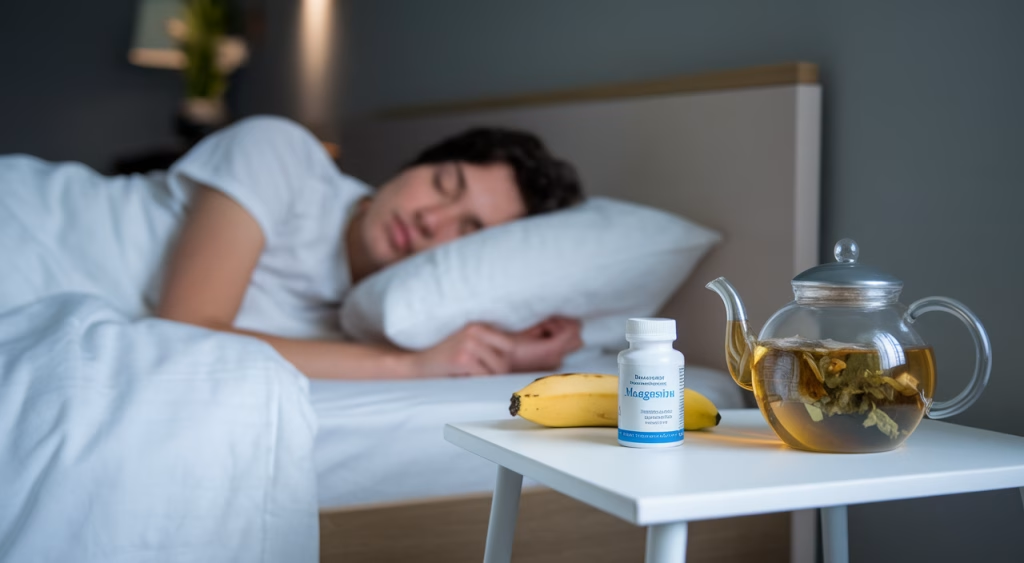
Can Reducing Sugar Intake Improve Sleep Apnea Symptoms?
Yes, reducing sugar intake can significantly improve sleep apnea symptoms. Research shows that high sugar consumption contributes to weight gain, inflammation, and blood sugar instability—all of which can worsen sleep apnea and increase snoring. When you manage your sugar intake, you help regulate breathing patterns at night, improve sleep quality, and reduce the severity of sleep-disrupting episodes that keep you exhausted.
TL;DR: Summary
- Sugar and Sleep Apnea: Excess sugar worsens sleep apnea symptoms by increasing inflammation and body weight.
- Effects on Snoring: Sugar spikes insulin and inflammation, leading to airway collapse and more snoring.
- Sleep Quality: High sugar intake disrupts melatonin production and sleep cycles.
- What Helps: Reducing sugar and eating nutrient-dense foods supports a more aligned sleep rhythm.
- Natural Support: Foods rich in magnesium and fiber, plus sugar-free snacks, ease cravings and help you sleep better.
The Sugar-Sleep Apnea Connection
When you’re navigating the exhausting cycle of poor sleep and persistent sugar cravings, it can feel like a battle you didn’t sign up for. But have you ever wondered if these two problems are actually feeding into each other?
Here’s what we know: Sleep apnea occurs when your airway collapses partially or completely while you sleep—causing breathing to stop and restart repeatedly throughout the night. One common underlying factor is obesity, and excess sugar plays a major role in weight gain. But even beyond weight, sugar and sleep apnea are connected through inflammation, hormone regulation, and neurotransmitters that influence how soundly we sleep.
Your body doesn’t forget what you eat during the day. Excessive sugar intake can ramp up systemic inflammation, worsen insulin sensitivity, and disturb blood sugar overnight, prompting fragmented sleep and worsening snoring episodes. This makes the connection between sugar and sleep apnea not just important—but impossible to ignore.
Here’s what’s intriguing: people with untreated sleep apnea often find themselves craving sugar constantly. That’s not lack of willpower. That’s your tired brain screaming for quick energy to offset sleep deprivation. But unfortunately, the more you satisfy those sugar cravings with processed sweets, the more you’re feeding this vicious cycle.
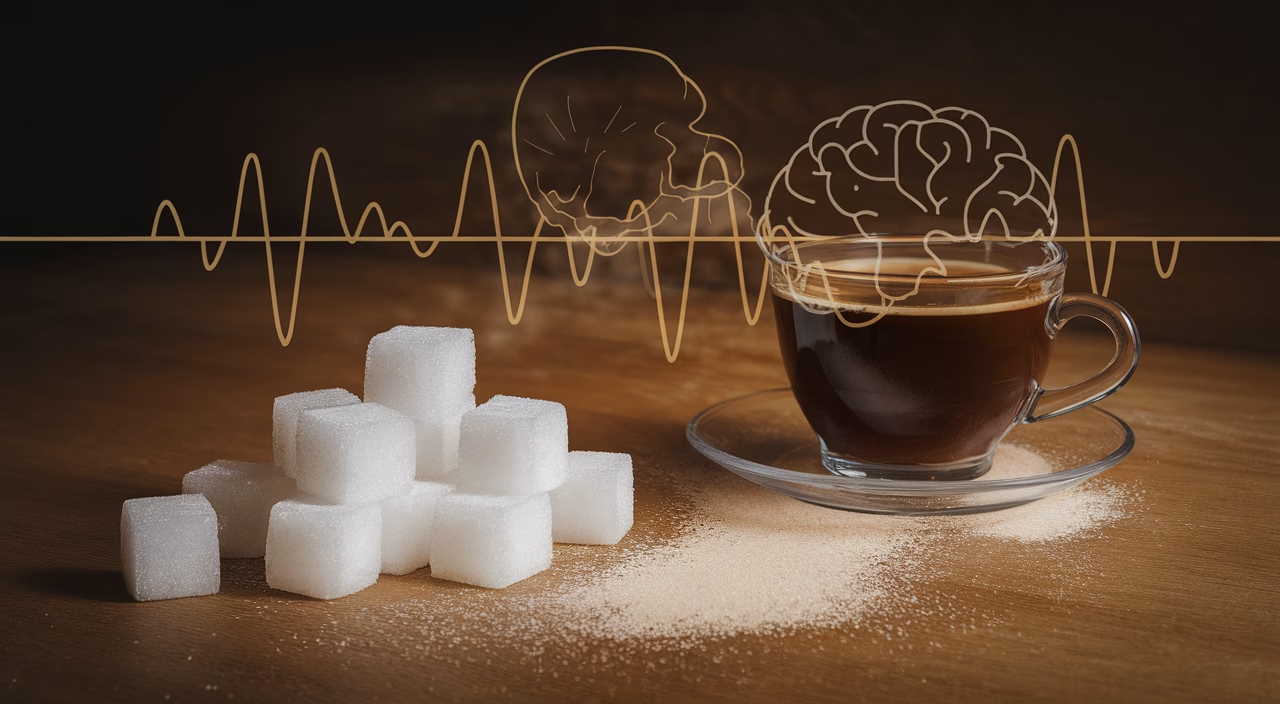
Impact of Sugar on Sleep Quality
Let’s break down how sugar and sleep interact on a biological level and why it’s especially relevant if you struggle with sleep apnea and snoring.
The Body’s Hormonal Response to Sugar
When you consume sugar—especially refined or added sugars—your blood glucose spikes dramatically. This triggers a rise in insulin to help shuttle the sugar into your cells. But frequent spikes and crashes in blood sugar can damage your body’s glucose regulation systems over time, directly impacting your sleep quality.
That matters because sleep apnea is more than just blocked airways—it’s deeply tied to metabolic health. High-sugar diets promote insulin resistance, which contributes to nighttime arousals, fragmented sleep, and increased cortisol (a stress hormone that keeps you up).
How Sugar Affects Snoring and Breathing Patterns
Multiple studies highlight the significant effects of sugar on snoring. Elevated insulin levels from high sugar intake often trigger inflammation—particularly in the soft tissues of your throat. This inflammation can narrow your airway during sleep, dramatically increasing the likelihood of snoring or a full apnea event that disrupts your rest.
| Mechanism | Impact on Sleep |
|---|---|
| Inflammation in airways | Leads to airway narrowing and snoring |
| Blood sugar spikes | Disrupt stable sleep cycles |
| Insulin surges | Increased night-time awakenings |
| Melatonin suppression | Difficulty falling and staying asleep |
Sugar Cravings, Cortisol, and Sleep Disruption
Have you noticed that the less you sleep, the more your sweet tooth rages the next day? That’s no coincidence—it’s cortisol-driven. When you’re low on sleep, stress hormones increase, which encourages your body to seek fast-burning energy: sugar. Sadly, responding to those sugar cravings just sets the bounce-back cycle in motion—more sugar, worsened sleep, repeat.
Tips for Reducing Sugar Intake and Improving Sleep
Now that we’ve laid out the issue, let’s talk solutions. You don’t have to go cold turkey or eliminate joy from your plate. But you will feel the difference with a few thoughtful shifts in your eating habits that target both sugar and sleep apnea.
1. Start With Awareness
Begin by noticing where sugar hides in your daily diet. It’s not just in desserts—it sneaks into sauces, condiments, cereals, and seemingly “healthy” snacks. Read labels carefully, especially looking for these hidden sugars:
- Cane sugar, high-fructose corn syrup
- Maltose, dextrose, glucose
- Agave, rice syrup, evaporated cane juice
2. Stabilize Blood Sugar With Protein and Fiber
Protein-rich and high-fiber foods help slow digestion, keeping you fuller longer and stabilizing energy levels throughout the day and night. Examples include:
- Chia seed pudding with berries
- Grilled chicken or tofu and quinoa bowl
- Hard-boiled eggs and avocado slices
3. Hydrate Before You Snack
Sometimes what feels like sugar cravings is mild dehydration in disguise. Try a tall glass of water or an herbal tea before reaching for something sweet—this simple step can dramatically reduce your sugar intake.
4. Use Natural Reminders
A journal by your bed, a tracker app, or even a nightly sleep score can build awareness around the connection between sugar and sleep apnea. The wins start to feel rewarding fast—better sleep, clearer mornings, fewer sugar spikes.
Healthy Alternatives to Satisfy Sweet Cravings
Your body still craves pleasure—and that’s OK. The goal isn’t to eliminate sweetness entirely but to satisfy it smartly while supporting better sleep. Here are some proven sugar-free snacks for better sleep that actually work:
| Snack | Why it helps |
|---|---|
| Frozen banana slices with cinnamon | Sweet + potassium-rich for muscle relaxation |
| Unsweetened Greek yogurt with berries | Protein + probiotics support gut and hormone health |
| Stevia-sweetened dark cocoa drink | Magnesium and cocoa flavonoids calm the nervous system |
| Baked apples with nut butter | The fiber slows sugar impact; healthy fats support brain function |
These are not only healthy snacks to curb sugar cravings and improve sleep, but they also naturally aid melatonin production and reduce inflammation—crucial benefits for anyone managing sleep apnea and working to reduce snoring.
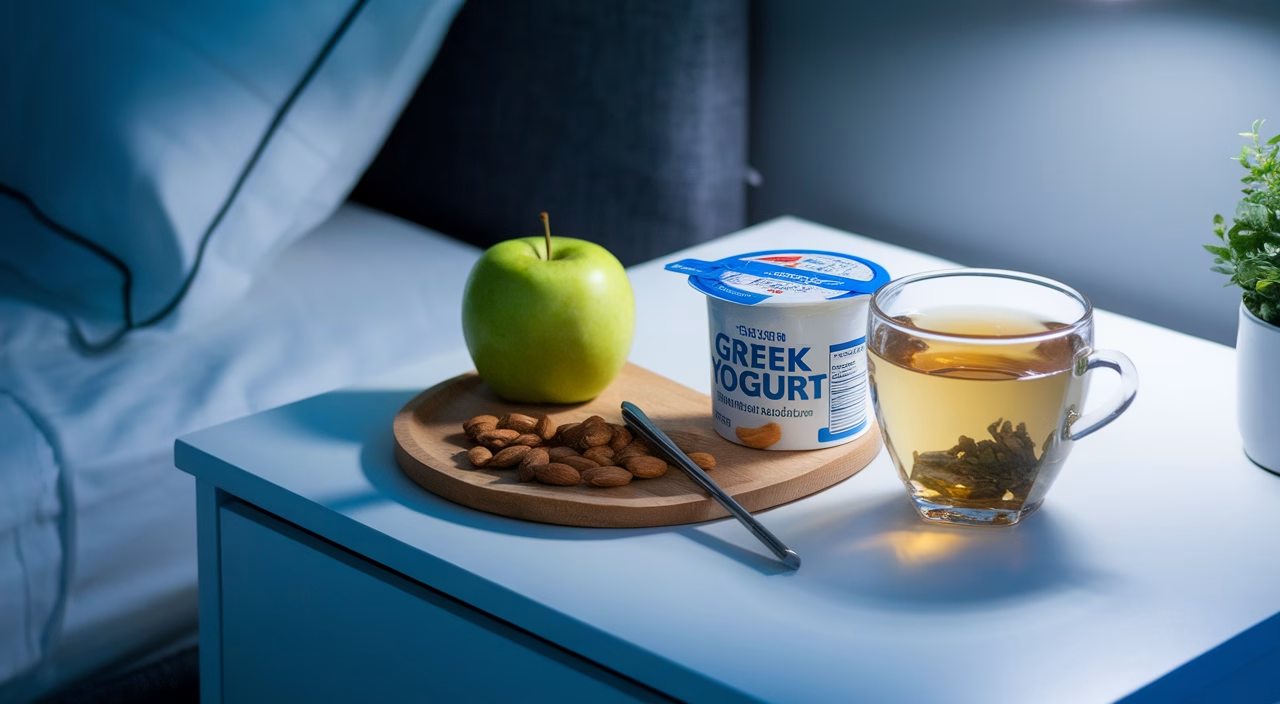
Cost Guide: Sugar-Free Diet Tips for Better Sleep
Adopting a lower-sugar diet doesn’t have to be expensive. Here’s a breakdown of basic monthly food planning costs depending on meal style:
| Level | Example Foods | Approx. Monthly Cost |
|---|---|---|
| Low-End | Bulk oats, beans, frozen veggies, eggs | $100-$150 |
| Mid-Range | Greek yogurt, nut butters, berries, lean chicken | $150-$300 |
| High-End | Organic produce, wild fish, natural sweeteners | $300-$500+ |
Remember: Small, consistent changes are more affordable (and more sustainable) than diet overhauls. Focus on replacing rather than removing foods.
Final Thoughts: Enhancing Your Sleep Health
Living with sleep apnea is already hard enough—you deserve support that treats more than just the symptoms. By reducing sugar and choosing nutrient-dense, anti-inflammatory foods, you can directly support the very systems needed for restful sleep and reduced snoring.
Focus less on restriction and more on nourishment. With the right strategies, you’ll curb sugar cravings, reduce snoring, and feel more in tune with your body’s natural rhythm. The connection between sugar and sleep apnea is real, but so is your power to change it. It’s a shift worth making—and your future well-rested self will thank you.
FAQs About Sugar and Sleep Apnea
- Does sugar make you snore more?
Yes, high sugar intake may contribute to increased snoring by promoting throat inflammation and disrupted sleep cycles. - What foods should I avoid with sleep apnea?
Limit highly processed, sugary, and fried foods. Focus on anti-inflammatory and fiber-rich options instead. - Can a sugar-free diet help sleep apnea?
A low-sugar or sugar-free diet can help reduce inflammation, promote weight loss, and stabilize blood sugar, supporting better airway function during sleep. - Do sugar cravings mean I’m not sleeping enough?
Often, yes. Sleep deprivation disrupts hunger hormones, making you crave sugar for quick energy. - Are there natural remedies for sleep apnea and sugar cravings?
Yes, improving magnesium, fiber, and protein intake can naturally reduce both cravings and sleep disruptions. - How long does it take to see improvements after cutting sugar?
Many people notice better sleep and fewer snoring episodes within 2–3 weeks of reducing added sugar.