Can Allergies Cause Snoring?
Yes — allergies can absolutely cause snoring. When allergens inflame your nasal passages, your airways narrow, making it harder to breathe through your nose. This obstruction forces you to breathe through your mouth, increasing vibration in the throat and contributing to snoring. If you suffer from seasonal sniffles or chronic hay fever, it might be time to look closer at your allergies as the root cause of restless nights.
TL;DR: Summary
- Allergies cause snoring by triggering nasal inflammation and blocking your airways.
- Common allergens that trigger snoring include dust mites, pet dander, mold, and pollen.
- Nasal inflammation is the key mechanism that restricts airflow and creates snoring sounds.
- Natural and medical snoring treatments can reduce allergy-related snoring significantly.
- Consulting a sleep specialist in Encino is often the best way to manage chronic allergy-induced snoring symptoms.
Types of Allergies That Trigger Snoring
Ever wonder why your snoring spikes every spring or when your furry friend curls up next to you? Different allergies cause snoring in various ways, and identifying your specific triggers is crucial for effective treatment.
- Seasonal allergies: Pollen from trees, grasses, and weeds inflame your nasal passages during spring and fall, directly causing snoring episodes.
- Dust mite allergies: These microscopic creatures thrive in bedding and furniture, causing year-round nasal inflammation and persistent snoring.
- Pet dander allergies: Proteins found in pet saliva, skin flakes, and urine provoke allergic reactions that lead to nighttime breathing difficulties.
- Mold allergies: These common indoor allergens, especially in damp environments, aggravate nasal inflammation and create the perfect conditions for snoring.
When these allergens enter your nasal passages, they trigger your immune system to release histamines—chemicals that cause inflammation, congestion, and mucus buildup. This blocks airflow and forces nocturnal mouth breathing, which amplifies vibrations in the soft tissues of your throat. The result? Loud, disruptive snoring that affects both you and your partner’s sleep quality.
The Impact of Nasal Inflammation on Snoring
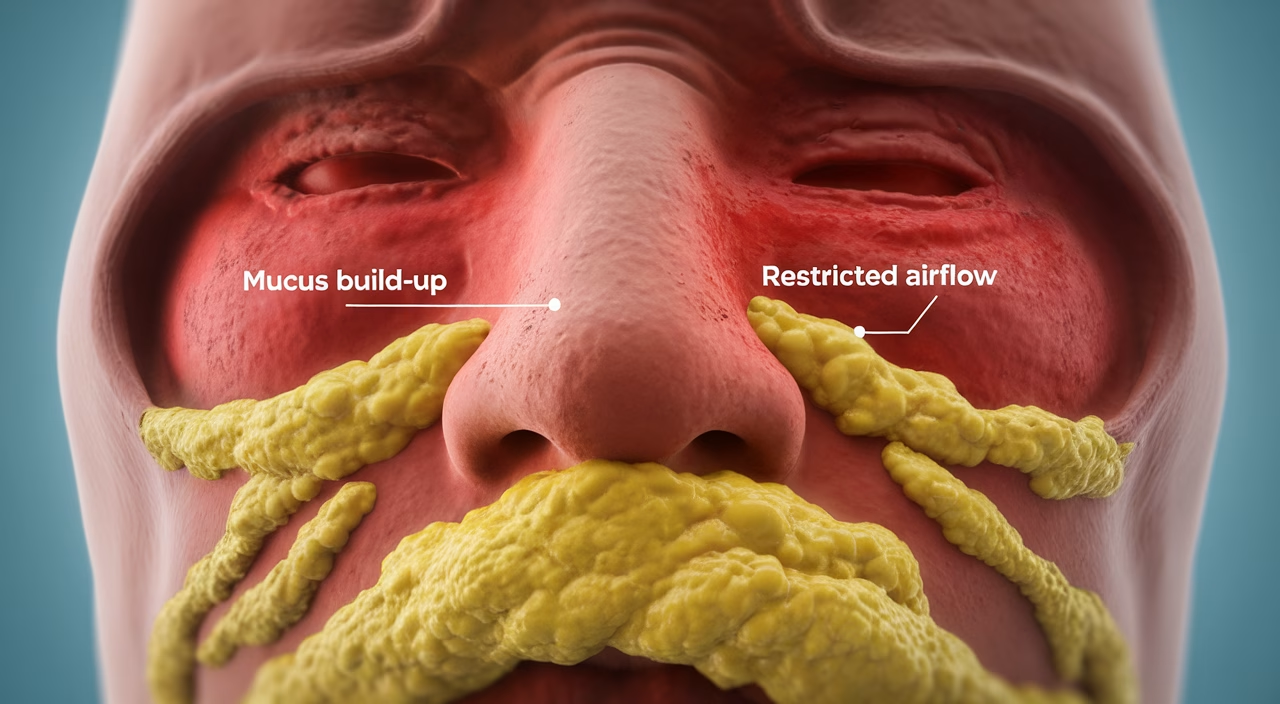
Nasal inflammation is the primary mechanism behind allergy-induced snoring. When your nasal passages become swollen or congested from allergic reactions, air has to work harder to flow through, creating turbulent airflow and producing those disruptive snoring sounds that keep everyone awake.
Here’s exactly how nasal inflammation causes snoring:
- Enlarged blood vessels in your nose dramatically reduce airway space, forcing air through smaller openings.
- Increased mucus production creates additional blockages, making breathing louder and more laborious throughout the night.
- Postnasal drip irritates your throat tissues, worsening snoring intensity and potentially causing minor airway collapse in certain sleeping positions.
If you’re already vulnerable to obstructive sleep apnea, inflammation from allergies can significantly worsen symptoms like gasping, choking, or dangerous pauses in breathing during sleep.
Effective Treatment Options for Allergy-Induced Snoring
Before reaching for earplugs or separate bedrooms, consider addressing the root cause of your snoring. These proven approaches can restore peaceful nights and eliminate allergy-related snoring:
Natural Remedies for Allergies That Cause Snoring
- Saline nasal rinses: Flushing your nasal passages removes allergens and reduces congestion that causes snoring, especially when used before bedtime.
- HEPA air filters: Installing these in your bedroom eliminates airborne allergens like pollen and pet dander that trigger snoring episodes.
- Steam inhalation: Opening up congested sinuses before sleep reduces nasal inflammation and improves airflow.
- Elevated sleeping position: Raising your head with an extra pillow promotes easier nasal breathing and reduces snoring intensity.
Medical Treatments for Snoring Caused by Allergies
- Antihistamines: These medications reduce histamine reactions and relieve the congestion that directly causes snoring.
- Nasal corticosteroids: Prescription sprays target inflammation at its source, providing long-term relief from allergy-induced snoring.
- Allergy shots (immunotherapy): This long-term solution desensitizes your immune system to specific allergens, potentially eliminating snoring triggers entirely.
- Sleep apnea devices: In complex cases where allergies contribute to sleep apnea, CPAP machines can provide immediate relief.
Cost Guide for Allergy-Related Snoring Treatments
| Type of Treatment | Low-End | Mid-Range | High-End |
|---|---|---|---|
| Saline sprays/rinses | $5–$15 | $20–$30 | $35+ |
| Antihistamines | $10–$15 | $20–$40 | $50+ |
| Nasal corticosteroids | $30 | $60 | $100+ |
| Allergy testing + shots | $300 | $800–1200 | $1500+ |
| CPAP device | $250 | $500 | $1000+ |
Consulting a Specialist in Encino for Relief
If home remedies aren’t eliminating your allergy-induced snoring, it’s time to consult a professional—especially if you suspect sleep apnea is involved. An ENT or sleep specialist in Encino can diagnose your specific condition through comprehensive allergy testing, detailed airway evaluation, or overnight sleep studies. The goal isn’t just controlling snoring but enhancing your overall sleep quality and long-term health.

In our practice, many patients are amazed by how identifying and eliminating just one major allergen—like switching to dust-mite-proof pillows—can dramatically reduce their snoring. Personalized care and targeted treatment approaches deliver the most effective, lasting results for allergy-related snoring.
Final Thought
You shouldn’t have to endure sleepless nights due to something as treatable as allergies causing snoring. Whether you’re dealing with nasal inflammation, pet dander sensitivities, or undiagnosed sleep apnea, identifying the source of your snoring puts you on the direct path to better sleep. Start with simple changes—like nightly sinus rinses—and progress to professional guidance for chronic cases. Your sleep quality (and your partner’s patience) will improve dramatically.
Frequently Asked Questions
- Do allergies worsen snoring?
Yes. Allergies inflame nasal passages and increase congestion, leading to louder and more frequent snoring. - Can allergy medication help with snoring?
Yes, antihistamines and nasal steroids can reduce inflammation for improved airflow and less snoring. - What natural remedies help with allergy-induced snoring?
Using saline rinses, steam inhalation, and HEPA filters can decrease allergens and ease snoring. - Is snoring from allergies a sign of sleep apnea?
It can be, especially if snoring is accompanied by gasping or daytime fatigue. See a specialist for sleep testing. - Should I see a doctor in Encino for snoring?
If symptoms persist or worsen, an ENT or sleep specialist in Encino can help determine the best course of action. - Can children snore due to allergies too?
Yes. Pediatric allergies and enlarged adenoids from chronic inflammation can block airways during sleep. - What’s the best way to prevent allergy-induced snoring?
Identify and avoid allergens, maintain a clean sleeping area, and seek medical treatment when needed.