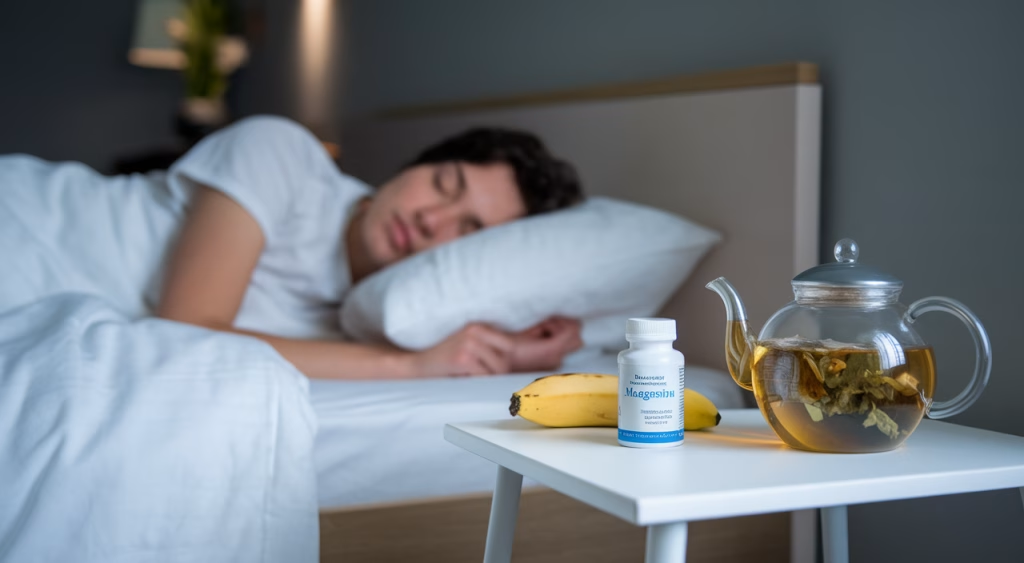
What foods cause snoring and why do they affect your sleep?
Your nightly snoring might not just be about how you sleep—but what you eat. Certain foods that cause snoring can inflame your airways, trigger mucus buildup, or relax your throat muscles to the point where snoring becomes inevitable. Understanding which snoring-causing foods to avoid can be the turning point on your journey to better rest.
TL;DR: Foods That Cause Snoring – What You Need to Know
- Dairy, soy, and heavy meats may trigger excess mucus production, worsening nighttime breathing.
- Alcohol and foods high in sugar overly relax throat muscles or promote weight gain, both linked to snoring.
- Foods that cause acid reflux (like spicy or fried meals) can trigger nighttime irritation and snoring episodes.
- Replacing snoring triggers in food with lean proteins, vegetables, and hydrating options can reduce snore volume and frequency.
- Hydration, smart snacking, and consistent meal timing are simple yet powerful remedies.
1. Understanding the Link Between Food and Snoring
1.1 How Does Diet Impact Snoring?

The connection between diet and snoring often flies under the radar. But here’s the reality: what you consume can dramatically affect your upper airway health, throat muscle tone, and even nasal passages. All of these components directly influence snoring. Here’s what happens when you eat foods that cause snoring:
- Some snoring-causing foods increase inflammation or mucus in the throat and nasal passages.
- Others relax airway muscles, making them more likely to collapse and vibrate—i.e., snore.
- Heavy meals or specific ingredients may trigger acid reflux, which further tightens and irritates the throat area at night.
If you’ve ever woken up coughing or with a dry mouth after having spicy takeout or a nightcap, those are foods that cause snoring talking.
1.2 Common Foods that Exacerbate Snoring
Here’s a list of the biggest snoring-causing foods you’ll want to keep on your radar:
| Food Type | Snoring Trigger | Why to Avoid |
|---|---|---|
| High-fat dairy (e.g., cheese, whole milk, ice cream) | Excess mucus production | Thickens saliva, clogs airways |
| Alcohol (especially before bed) | Muscle relaxation | Constriction of airways |
| Soy products | Congestion and allergies | Leads to nasal blockages |
| Refined sugar & pastries | Inflammation & weight gain | Excess tissue increases snoring risks |
| Spicy/fried foods | Acid reflux | Throat irritation and postnasal drip |
2. Swapping Snore-Inducing Foods for Better Sleep
2.1 Snack Smart: Healthy Alternatives for Better Sleep
We all love a bedtime snack—but choosing foods that cause snoring could be why you or your partner wakes up to nighttime noise. The good news? You don’t have to stop snacking. You just need to avoid snoring triggers in food. Here’s how to swap:
| Snoring-Causing Snack | Wholesome Alternative | Why It Works |
|---|---|---|
| Cheese and crackers | Apple slices + almond butter | Low mucus, high fiber |
| Ice cream | Greek yogurt (non-fat) with berries | Gut-friendly and no heavy cream |
| Pastries or cookies | Oatmeal with banana | Sustains energy, reduces inflammation |
| Sugary cereal | Chia seed pudding (unsweetened) | High fiber, low sugar |
Tip: Don’t just remove—replace. Giving your body a nutritious option builds sleep-friendly habits for the long haul.
2.2 Crafting Snoring-Friendly Meal Plans
A snore-free lifestyle involves consistency—not crash diets. Here’s a quick sample day plan designed to minimize foods that cause snoring while maintaining hydration and supporting muscle tone:
- Breakfast: Scrambled eggs with spinach, whole grain toast, green tea
- Snack: Carrot sticks + hummus
- Lunch: Grilled chicken salad with quinoa and avocado
- Dinner: Baked salmon, steamed broccoli, sweet potato mash
- Evening Snack: Warm chamomile tea and a handful of almonds
Keep meals smaller in the evenings, and avoid foods to avoid for snoring 2-3 hours before bedtime to reduce the risk of reflux-induced snoring.
Cost Guide: Adjusting Your Diet on Any Budget
| Category | Low-End | Mid-Range | High-End |
|---|---|---|---|
| Healthy groceries/week | $40 | $75 | $120+ |
| Hydration tools (filter, jug) | $10 | $25 | $60 |
| Natural snacks & organic swaps | $5–10 | $15 | $30+ |
3. Expert Tips for a Snore-Free Sleep
3.1 Lifestyle Changes to Reduce Snoring

Sometimes, it’s not just foods that cause snoring, but how you’re living. Here are some powerful daily habits that reinforce a snore-free lifestyle:
- Elevate your head: Sleeping slightly propped up eases airway obstruction.
- Quit smoking: Smoke irritates and inflames the throat lining.
- Lose excess weight: Extra tissue around the neck can narrow airways.
- Keep allergies in check: Use air purifiers and avoid allergenic snoring-causing foods like soy and dairy.
Case in point: Someone who ditches dairy, switches to nasal breathing before bedtime, and drops 5% body weight often reports noticeable snoring improvement within weeks.
3.2 The Role of Hydration in Snoring
Here’s a lesser-known truth—dehydration thickens your mucus, making your throat stickier and noisier through the night. Think of your throat like a slide—dry slides squeak. Hydrated ones glide smoothly.
- Aim for 6–10 glasses of water per day.
- Add herbal teas before bed (ginger, chamomile, peppermint) to help soothe your airways.
- Limit caffeine after 2 PM, and cut alcohol by dinner to avoid snoring triggers in food.
Hydration isn’t a miracle cure—but in tandem with avoiding foods that cause snoring, it’s a powerful multiplier for nighttime quiet.
Final Thoughts: From Snore-Stressed to Sleeping Sound
Snoring doesn’t have to control your nights—or your relationships. By identifying and removing snoring triggers in food and implementing simple dietary swaps, you may unlock one of the most overlooked yet effective snoring remedies. Pair your snoring diet with proper hydration and lifestyle adjustments, and you’ll no longer dread bedtime—or the elbow nudges it brings.
Start with just one change this week—maybe avoiding foods that cause snoring like cheese or swapping your evening cocktail for tea. Small shifts add up to silent nights.
Frequently Asked Questions
- What foods trigger snoring?
High-fat dairy, alcohol, soy, fried and spicy foods are common snoring triggers due to their ability to cause inflammation, mucus buildup, or reflux. - Does sugar make snoring worse?
Yes. Excess sugar can contribute to weight gain and systemic inflammation, both of which make snoring more likely. - Is there a specific snoring diet to follow?
Yes. A snoring diet should be anti-inflammatory, low in dairy and processed foods, and high in fiber, lean protein, and hydrating elements. - Do spicy foods cause snoring?
They can. Spicy meals may trigger acid reflux that irritates the throat during sleep, worsening snoring episodes. - Will quitting dairy stop my snoring?
For some people, yes. Dairy can thicken mucus and lead to airway blockage. Eliminating or reducing it may help. - How long before dietary changes improve snoring?
Some effects can be noticed in 1–2 weeks, especially with consistent changes like cutting alcohol and improving hydration. - Does eating late at night induce snoring?
Yes. Eating within 1–2 hours of bedtime increases the risk of reflux and throat irritation—both snore triggers.