What’s the Best Way to Stop Snoring for Good?
The best way to stop snoring depends on what’s causing it—but for most people, a tailored combination of lifestyle changes, natural remedies for snoring, and anti-snoring devices can dramatically reduce or eliminate snoring. The key is choosing stop snoring remedies that fit your unique sleep patterns, health, and anatomy.
TL;DR: Summary of Stop Snoring Remedies
- Root Cause Matters: Snoring can result from nasal blockages, sleep posture, weight, or issues like sleep apnea.
- Natural Remedies Work: Essential oils for snoring, herbs, throat exercises, and sleeping positions can improve airflow and reduce snoring.
- Devices Can Help: Anti-snoring devices like nasal dilators or mouthpieces support muscle tone and airway openness.
- Adjusting Habits Is Crucial: Avoiding alcohol, adopting side-sleeping, and using humidifiers are effective snoring tips.
- Seek Help if Needed: If snoring persists or worsens, a sleep study and ENT consultation may uncover underlying issues like sleep apnea.
Understanding the Causes of Snoring
Ever wondered why some people snore like a freight train while others sleep as quietly as a cat? Snoring happens when air struggles to pass through your upper airway, causing tissues to vibrate and create noise. This restriction can be due to various factors—from nasal congestion to relaxed throat muscles—and understanding the cause is your first step toward meaningful stop snoring remedies.
Different Types of Snorers
Snoring isn’t one-size-fits-all. Here’s how we clinically categorize it:
| Type of Snorer | Primary Cause | Best Remedy Type |
|---|---|---|
| Nasal Snorer | Blocked or deviated nasal passages | Nasal strips, steam, essential oils for snoring |
| Mouth Snorer | Mouth breathing while sleeping | Anti-snoring devices, chin straps |
| Tongue-Based Snorer | Tongue falling backward | Throat exercises, positional therapy |
| Throat Snorer | Relaxed throat tissues and soft palate | Lifestyle change, CPAP, surgery |
| Pregnancy Snoring | Hormonal congestion, weight shifts | Natural remedies for snoring, safe positional changes |
Proven Stop Snoring Remedies
Lifestyle Changes and Sleep Position
Let’s start with changes you can make tonight. A surprising number of people reduce or even cure their snoring by simply adjusting their sleep habits with these proven snoring tips:
- Sleep on your side: Back sleepers are more prone to snoring. Try sewing a tennis ball into your pajama back or use body pillows to encourage side-sleeping.
- Elevate your head: Use a thicker pillow or adjustable bed to prevent airway collapse.
- Maintain a healthy weight: Extra fat around your neck applies pressure on your airway, leading to snoring.
- Avoid alcohol before bed: It relaxes throat muscles, worsening snoring.
- Stick to a sleep schedule: Inconsistent sleep makes your body over-fatigued, worsening muscle relaxation at night.
Natural Remedies for Snoring and Herbs
If you’re wondering how to stop snoring naturally at home, Mother Nature offers surprisingly effective tools. No pills, no plugs—just time-tested natural remedies for snoring:
- Steam inhalation: Break down nasal congestion by using warm steam with a few drops of eucalyptus or peppermint oil.
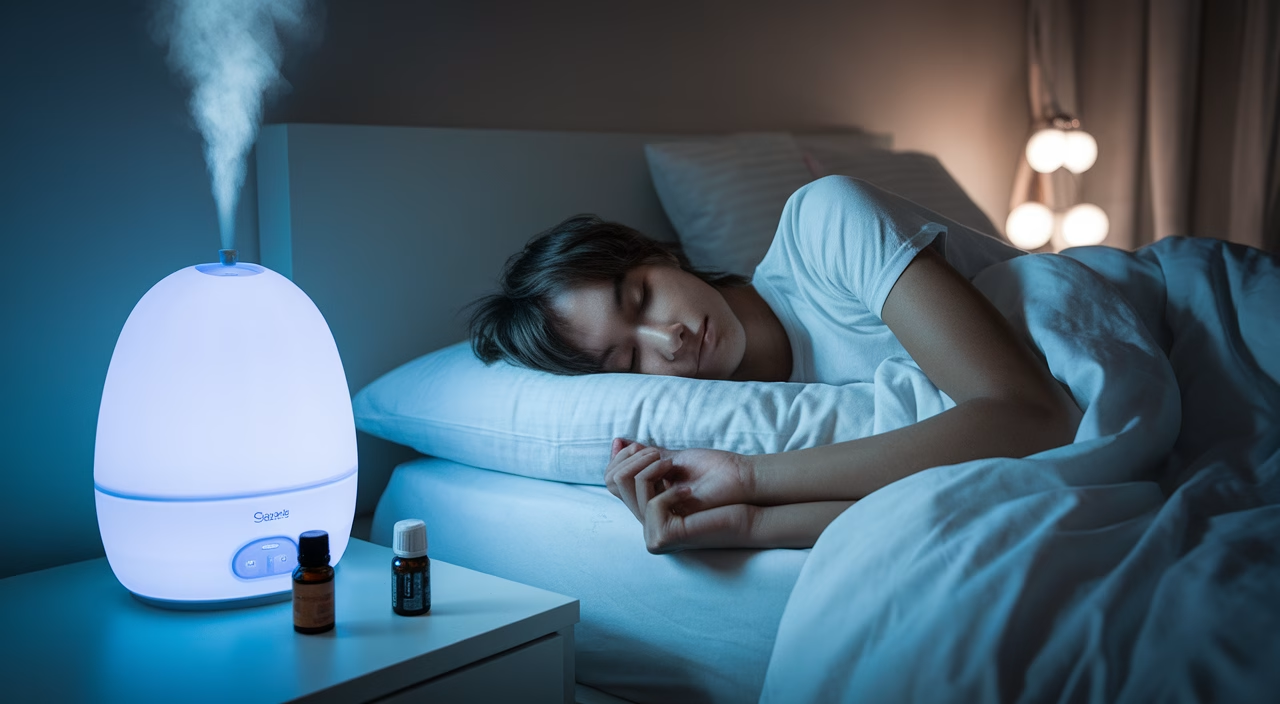
- Best essential oils for snoring relief: Eucalyptus, peppermint, thyme, and lavender help soften airway tissues and reduce swelling. Add these essential oils for snoring to diffusers for nighttime relief.
- Bee propolis and herbal sprays: These aid in toning throat tissues when used regularly as part of your stop snoring remedies routine.
- Hydration: Dryness thickens mucus. Drinking water keeps sinus membranes moist.
- Snoring throat exercises: Repeating vowel sounds or playing wind instruments strengthens airway muscles.
Anti-Snoring Devices and Products
Modern technology has brought us an array of anti-snoring devices designed to open your airway, reposition your jaw, or minimize noise:
- Nasal strips and dilators: Great for nasal snorers who deal with congestion or narrow nasal passages.
- Mandibular advancement devices (MADs): These reposition your jaw slightly forward, helping open the airway for mouth and tongue-based snorers.
- Chin straps: Train your mouth to stay closed, reducing mouth-based and combination snoring.
- Position therapy belts: Keep you from rolling on your back if that’s when snoring intensifies.
Cost Guide: Stop Snoring Remedies Price Comparison
| Remedy Type | Low-End ($) | Mid-Range ($) | High-End ($) |
|---|---|---|---|
| Essential Oils & Herbs | 10 | 30 | 60 |
| Nasal Strips/Devices | 8 | 15 | 40 |
| Mandibular Devices | 30 | 80 | 300 |
| Positional Belts | 25 | 50 | 150 |
| Consultation + Sleep Study | 100 | 500 | 1000+ |
Snoring Tips for Long-Term Success
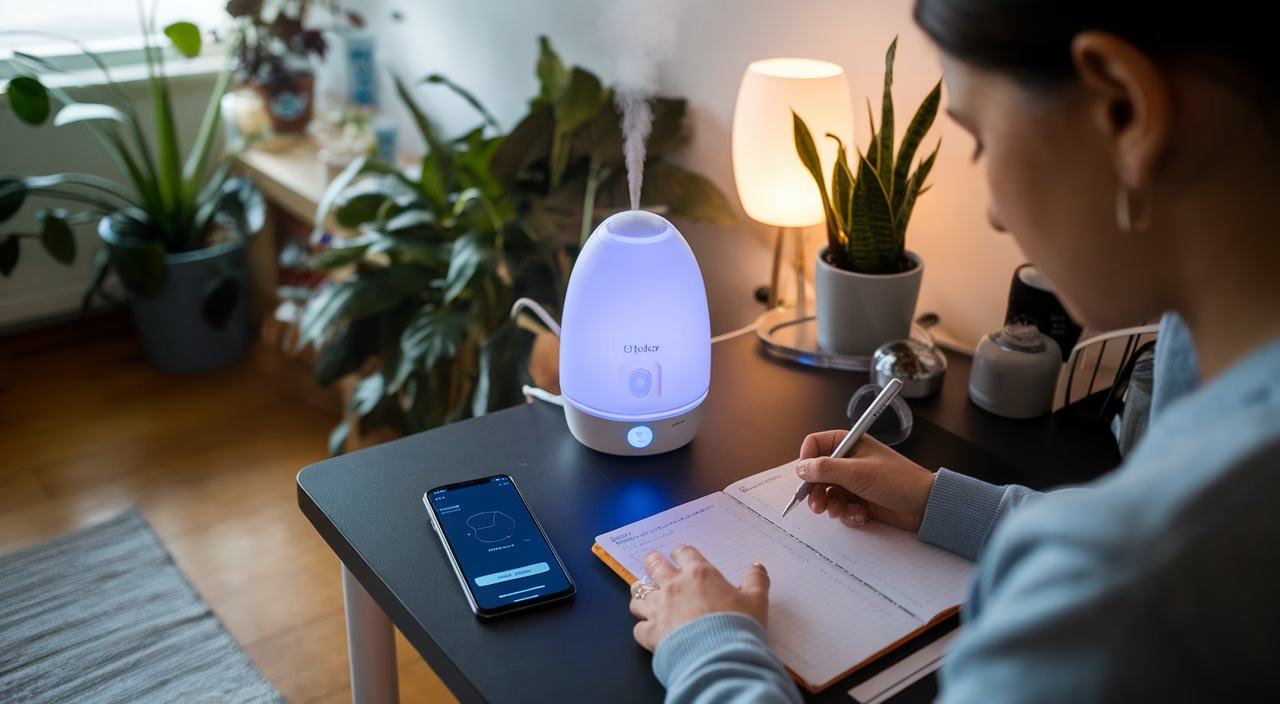
Snoring is often a chronic issue, but staying consistent with these stop snoring remedies is where success builds. Here’s how to ensure your progress lasts:
- Keep a sleep journal: Track your position, habits, and noise level (using a snore-tracking app).
- Check for seasonal triggers: Allergies cause nasal swelling, which may require antihistamines or filters.
- Consider humidifiers: Especially useful in arid climates to prevent dry throat tissues.
- Stay patient: Natural remedies for snoring take a few weeks to show consistent results.
- Adjust based on life stage: For example, pregnancy-induced snoring may go away after childbirth, though temporary solutions are still important.
Seeking Professional Help
Sometimes, home remedies and anti-snoring devices aren’t enough. If your snoring is persistent—or comes with choking, pauses in breathing, or excessive fatigue—you may be dealing with sleep apnea or another airway disorder. Here’s when to seek medical advice:
- Snoring worsens despite lifestyle improvements
- You feel tired even after a full night’s sleep
- Your partner notices pauses in your breathing
An ENT specialist or sleep doctor can recommend a sleep study to identify underlying causes and offer medical treatments—ranging from CPAP devices to minor surgeries where necessary.
Final Thought
If snoring has been stealing your peace—or your partner’s—it’s time to treat it like more than a nighttime nuisance. Whether you commit to natural remedies for snoring, invest in anti-snoring devices, or consult a professional, remember this: snoring is treatable. Thousands have found relief with effective stop snoring remedies and reclaimed their nights, and so can you. The road to quieter, more restful sleep starts with a single change. Let that be today.
Frequently Asked Questions
How to stop snoring through diet?
A balanced diet helps reduce snoring by minimizing weight gain (especially in the neck and chest). Avoid heavy meals before bed, spicy foods that cause acid reflux, and dairy that can increase mucous production. Aim for anti-inflammatory foods like leafy greens and berries as part of your natural remedies for snoring approach.
Does sleeping on your back really make snoring worse?
Yes, lying on your back often causes your tongue and soft palate to collapse to the back of your throat, narrowing your airway. Switching to side sleeping can dramatically reduce snoring—it’s one of the most effective snoring tips you can implement tonight.
What are the best essential oils for snoring relief?
Eucalyptus, peppermint, thyme, and lavender oils are most effective for reducing nasal inflammation and promoting better airflow. Use these essential oils for snoring in a diffuser or dilute for chest rubs before bed.
Is it safe to use anti-snoring mouth guards every night?
Generally, yes—but it’s important to follow manufacturer instructions or get a dentist-customized fit. Poorly fitted anti-snoring devices can cause jaw pain or worsen symptoms.
Can snoring be a sign of a more serious condition?
Absolutely. Loud, chronic snoring with daytime fatigue or paused breathing may indicate obstructive sleep apnea, which requires professional evaluation and treatment beyond typical stop snoring remedies.