What is the best sleeping position to stop snoring?
The best sleeping position to stop snoring is on your side, especially your left side. Side sleeping promotes optimal airflow, keeps your airway open, and prevents your tongue from falling back into your throat—a primary cause of snoring. When you sleep on your back, gravity works against you by allowing your tongue and soft tissues to obstruct your breathing passages, making snoring worse.
TL;DR: Summary
- Primary fix: Side sleeping is the top choice for reducing or eliminating snoring.
- Avoid back sleeping: Lying flat on your back is the worst position for snorers.
- Elevate your head: A slight incline can ease airway pressure and reduce nasal blockage.
- Boost sleep hygiene: Room temperature, pillow type, and nasal strips can affect snore levels.
- Frequent causes: Blocked nasal passages, mouth breathing, and excess throat tissue can be positional.
1. The Link Between Sleeping Position and Snoring
Ever wondered why some nights you snore louder than a freight train, while other nights you sleep silently? The answer often lies in your sleeping position. Snoring happens when air flows past relaxed tissues in your throat, creating those disruptive vibrations that disturb your sleep and your partner’s rest.
When you sleep on your back, gravity becomes your enemy—it pulls your tongue and soft palate toward the back of your throat, narrowing your airway and creating turbulent airflow. This sleeping position is particularly problematic if you’re dealing with mouth breathing or sleep apnea, conditions that worsen when you’re lying supine.
Side sleeping, however, works with your anatomy rather than against it. This sleeping position keeps your airway stable, reduces blockage risk, and promotes smoother breathing—making it the gold standard for snoring relief.
2. Best Sleeping Positions to Prevent Snoring
2.1. Side Sleeping Position: The Ultimate Solution
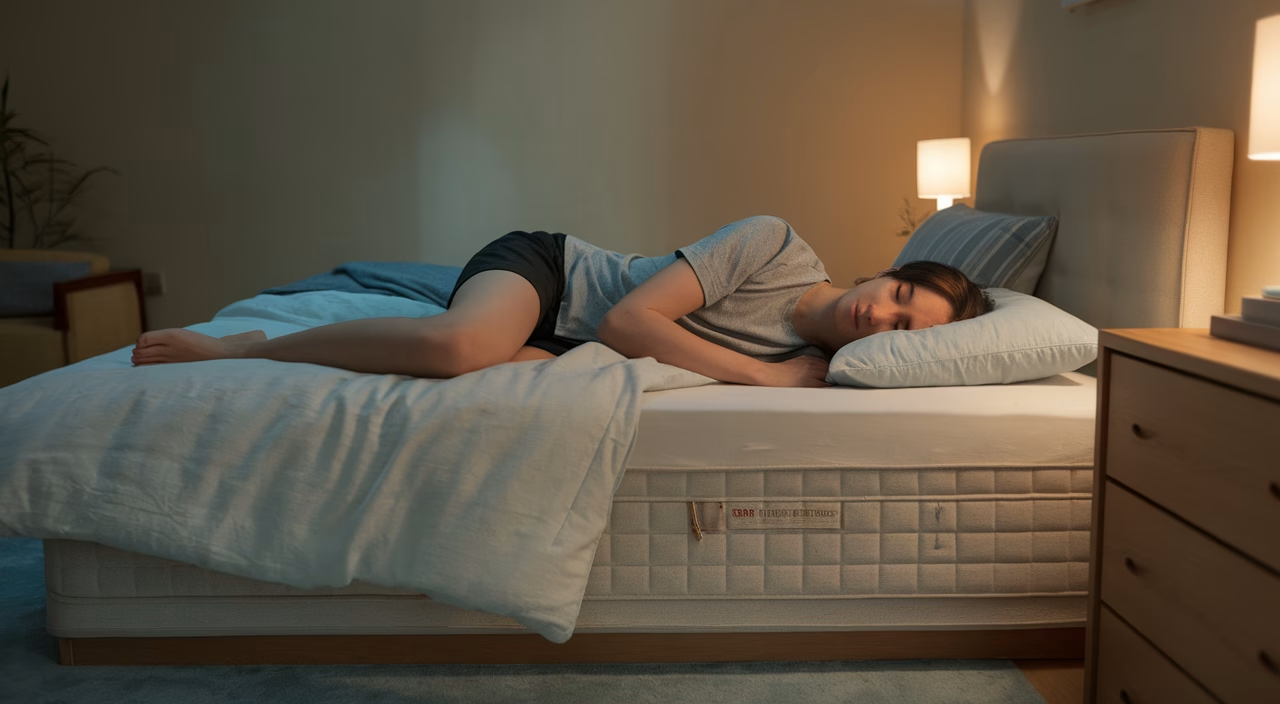
Side sleeping isn’t just comfortable—it’s your most powerful weapon against snoring. When you sleep on your left or right side, gravity actually helps keep your airway clear. Your tongue stays in position, throat tissues remain unobstructed, and your breathing stays quieter throughout the night. This sleeping position is also ideal if you have sleep apnea.
To maximize the benefits of side sleeping:
- Use a body pillow to support your back and maintain proper spinal alignment
- Try the tennis ball technique—sew a tennis ball into your pajama back to prevent rolling over
- Choose a supportive pillow that keeps your neck aligned and prevents airway collapse
Most people notice significant snoring reduction within just a few nights of switching to side sleeping—especially when combined with other sleep environment improvements.
2.2. Elevate Your Head: A Simple Adjustment for Silent Nights
When your head lies flat, gravity pushes your tongue and jaw toward your airway. But when you sleep with your head slightly elevated, you reduce this compression and encourage easier nasal breathing while widening your airway.
Elevating your upper body by 4–6 inches using an adjustable bed, wedge pillow, or extra pillows under your shoulders can dramatically improve your sleep quality. This sleeping position works especially well if you struggle with nasal congestion, sleep apnea, or chronic mouth breathing.
Think of your elevated airway like a clear highway—the better the angle, the smoother the airflow, leading to fewer disruptions and more restful nights.
3. Worst Sleeping Position for Snoring
Back sleeping might feel natural and comfortable, but it’s essentially rolling out the red carpet for snoring episodes. When you sleep on your back, gravity pulls your tongue backward, causes soft tissues to collapse inward, and increases your risk of partial or complete airway obstruction.
If you have sleep apnea, back sleeping can make your symptoms significantly worse by causing longer, more frequent breathing interruptions. Even if you’re generally healthy, you can still experience loud snoring simply from lying in this position. Research shows that up to 60% of chronic snorers see improvement just by avoiding back sleeping.
4. Additional Tips for a Snore-Free Sleep
While changing your sleeping position is one of the most effective steps you can take, combining it with other sleep hygiene improvements will give you the best results for stopping snoring.
- Clear your nasal passages: Use saline rinses or nasal strips to open congested airways
- Limit alcohol before bedtime: Alcohol relaxes throat muscles and worsens snoring
- Maintain a healthy weight: Excess tissue around your neck can compress your airway during sleep
- Keep a consistent sleep schedule: Overtiredness leads to deeper sleep stages where snoring becomes more intense
- Consider mouth taping (with caution): For mouth breathers, gently sealing lips can encourage nasal breathing—consult a specialist first
Cost Guide: Sleep Position Aids
| Product Type | Low-End | Mid-Range | High-End |
|---|---|---|---|
| Anti-Snoring Pillow | $20–$40 | $50–$80 | $100+ |
| Wedge Pillow | $25–$45 | $60–$100 | $120+ |
| Adjustable Beds | $300–$500 | $600–$1200 | $1500+ |
Final Thoughts
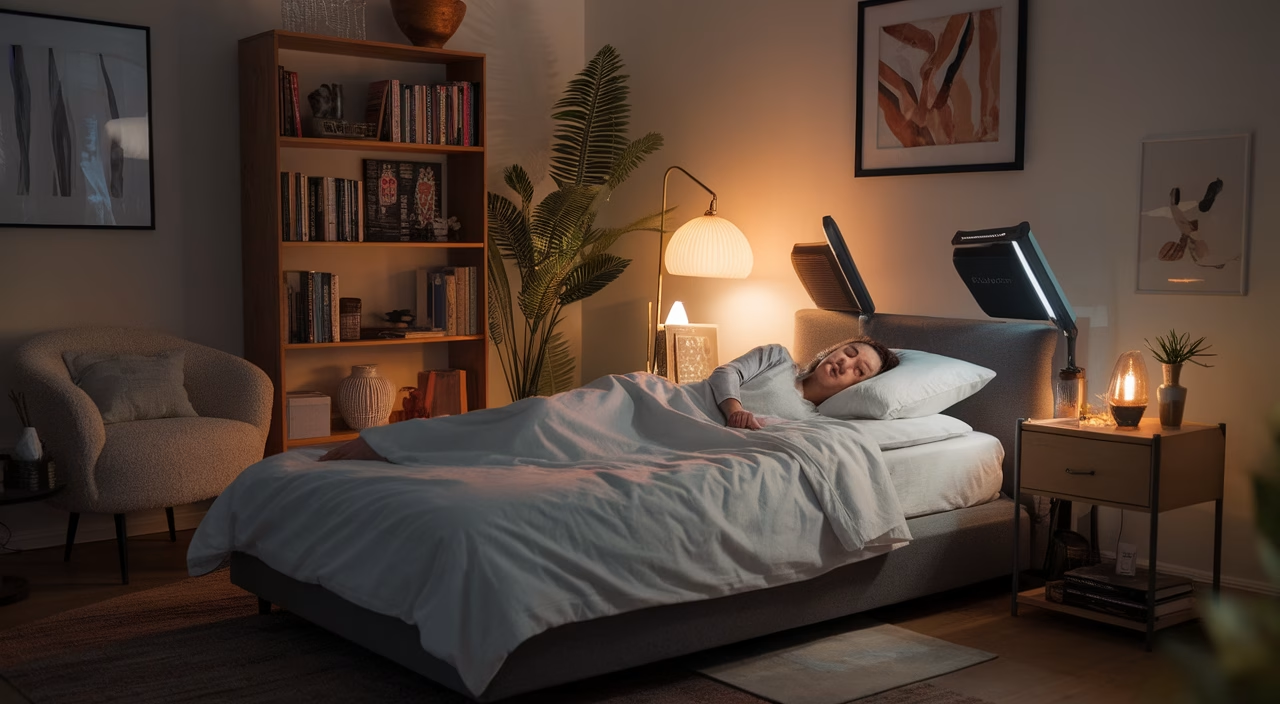
Snoring doesn’t have to be your nightly soundtrack. The truth is, simple changes—like adopting the right sleeping position—can transform your nights from noisy to peaceful. Your body is a carefully balanced system where airflow, muscle tone, and alignment work together. By choosing better sleeping positions, you’re opening the door to quiet nights and energized mornings.
If you’ve been struggling with snoring, tonight is the perfect time to try side sleeping. Remember: consistent changes, combined with good sleep hygiene, give you the most effective long-term strategy to stop snoring for good.
Frequently Asked Questions
Do certain sleeping positions cause snoring?
Yes. Sleeping on your back is the most common position linked to snoring. It allows gravity to restrict your airway. Side sleeping significantly reduces the risk.
Is sleeping on your left side better than your right for snoring?
For some people—especially those with acid reflux—left-side sleeping offers better benefits. It supports digestion and can relieve pressure on the airway more than the right side.
Can elevating my head really stop me from snoring?
It often helps, especially for those with nasal issues or mild sleep apnea. An elevated head reduces compression on the throat and improves airflow through nasal passages.
How can I stay off my back while sleeping?
Using positional therapy like body pillows, wedge cushions, or sewing a tennis ball into the back of your pajamas can discourage rolling onto your back unconsciously.
Do sleeping positions help with sleep apnea?
Yes, side sleeping is often recommended for mild to moderate obstructive sleep apnea. However, you should still consult a medical professional to evaluate your sleep condition comprehensively.
Will losing weight impact my snoring regardless of sleep position?
Absolutely. Extra weight—especially around the neck—can restrict your airway even in optimal sleep positions. Weight management is an important part of long-term snoring control.
Should I see a doctor if changing position doesn’t stop snoring?
Yes. If snoring persists despite lifestyle changes, it could be a sign of a more serious issue like obstructive sleep apnea. A sleep specialist can diagnose through a sleep study.