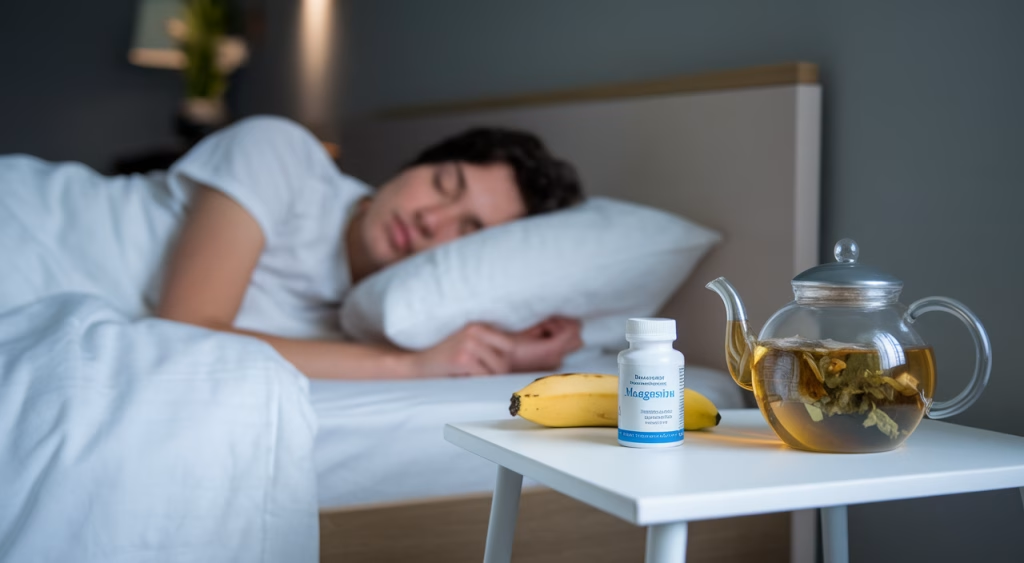
Can Eating Earlier Help Prevent Snoring?
Absolutely! Eating earlier in the evening can significantly help prevent snoring naturally. When you eat too close to bedtime, your digestive system remains active while your body tries to rest, increasing the likelihood of acid reflux, nasal congestion, and tissue inflammation—all major contributors to nighttime snoring.
TL;DR Summary
- Yes, eating earlier reduces snoring: Early sleep-friendly dinner ideas can dramatically reduce digestive strain and inflammation that contribute to snoring.
- Better timing leads to deeper sleep: Your body can focus on sleep quality improvement without the burden of late digestion.
- Choose the best foods to prevent snoring: Light dinners rich in vegetables, lean protein, and healthy fats promote quieter sleep.
- Avoid snore-triggering foods: Skip dairy, fried foods, and alcohol before bed to minimize airway congestion.
- Try our 7 sleep-friendly dinner ideas: These expertly crafted meals support better breathing and truly restorative rest.
How Does Dietary Timing Affect Snoring?
The Science Behind Snoring

Snoring occurs when airflow becomes partially blocked in your throat or nasal passages during sleep. This blockage causes surrounding tissues to vibrate, creating that familiar (and frustrating) sound. But here’s what you might not know—your evening meal timing plays a crucial role in snoring prevention.
Late dinners force your digestive system to work overtime during rest. As your stomach processes food close to bedtime, active digestion can trigger acid reflux, increase postnasal drip, or promote throat inflammation. All of these factors constrict airflow and amplify snoring. Implementing dietary timing strategies by eating earlier gives your body time to settle into a restful state, supporting significant sleep quality improvement.
Top Foods to Avoid Before Bed
If snoring has become a nighttime routine, it’s time to examine what’s on your dinner plate. These snoring solutions through diet start with avoiding these common evening culprits:
- Dairy products: Thicken mucus and block nasal passages
- Alcohol: Over-relaxes throat muscles, causing airway collapse
- Fried or fatty foods: Difficult to digest and significantly increase reflux risk
- Excess sugar: Triggers inflammation and blood sugar disruptions
Instead, focus on the best foods to prevent snoring—nutrient-dense meals that offer natural snoring prevention benefits while being gentler on your digestive system as bedtime approaches.
7 Sleep-Friendly Dinner Ideas
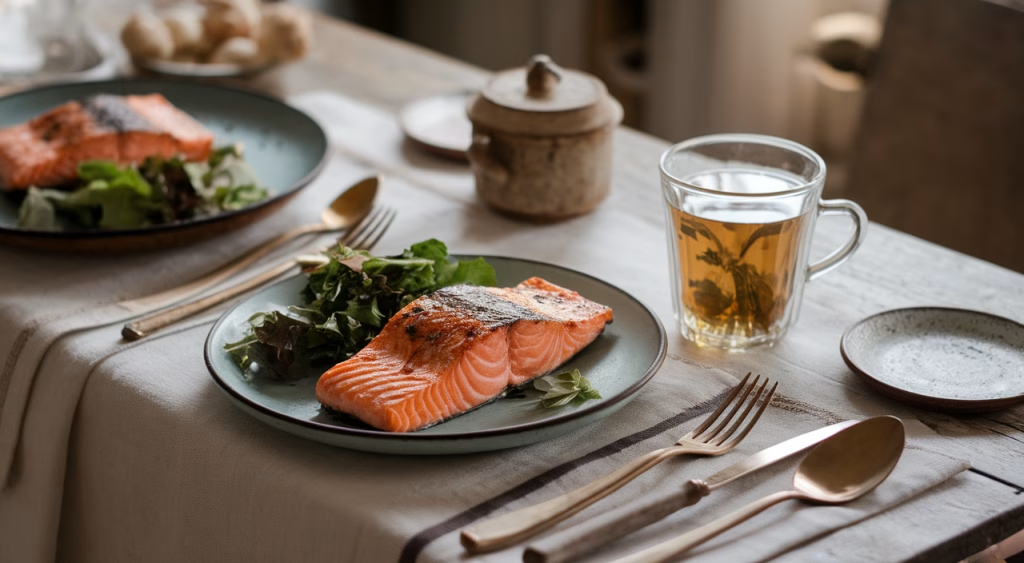
Recipe 1: Herb-Roasted Salmon with Steamed Asparagus
This omega-3-rich dinner represents one of the best foods to prevent snoring by supporting airway health and reducing inflammation. Pair with steamed asparagus, which provides folate—a key nutrient linked to improved sleep patterns and natural snoring prevention.
Recipe 2: Quinoa & Chickpea Pilaf with Roasted Zucchini
A protein-packed vegetarian option among our sleep-friendly dinner ideas that promotes lasting satiety while supporting healthy digestion. Zucchini is exceptionally gentle on your gut and loaded with sleep-promoting potassium.
Recipe 3: Turkey and Sweet Potato Stir-Fry
Turkey serves as an excellent source of tryptophan, helping your body naturally produce melatonin for restful sleep. Sweet potatoes provide slow-releasing carbohydrates that stabilize blood sugar overnight—perfect for snoring solutions through diet.
Recipe 4: Lentil Soup with Spinach and Garlic
This light yet satisfying option tops our list of sleep-friendly dinner ideas. Lentils deliver substantial protein and digestion-friendly fiber, while garlic acts as a natural decongestant—ideal for maintaining clear sinuses during sleep and preventing snoring naturally.
Recipe 5: Baked Cod with Lemon and Dill over Wild Rice
Cod provides lean, easily digestible protein, while fresh lemon adds alkalinity that naturally reduces mucus formation. The dill contributes digestive enzymes that promote faster, more comfortable digestion—key elements in dietary timing strategies.
Recipe 6: Grilled Veggie Tacos with Avocado
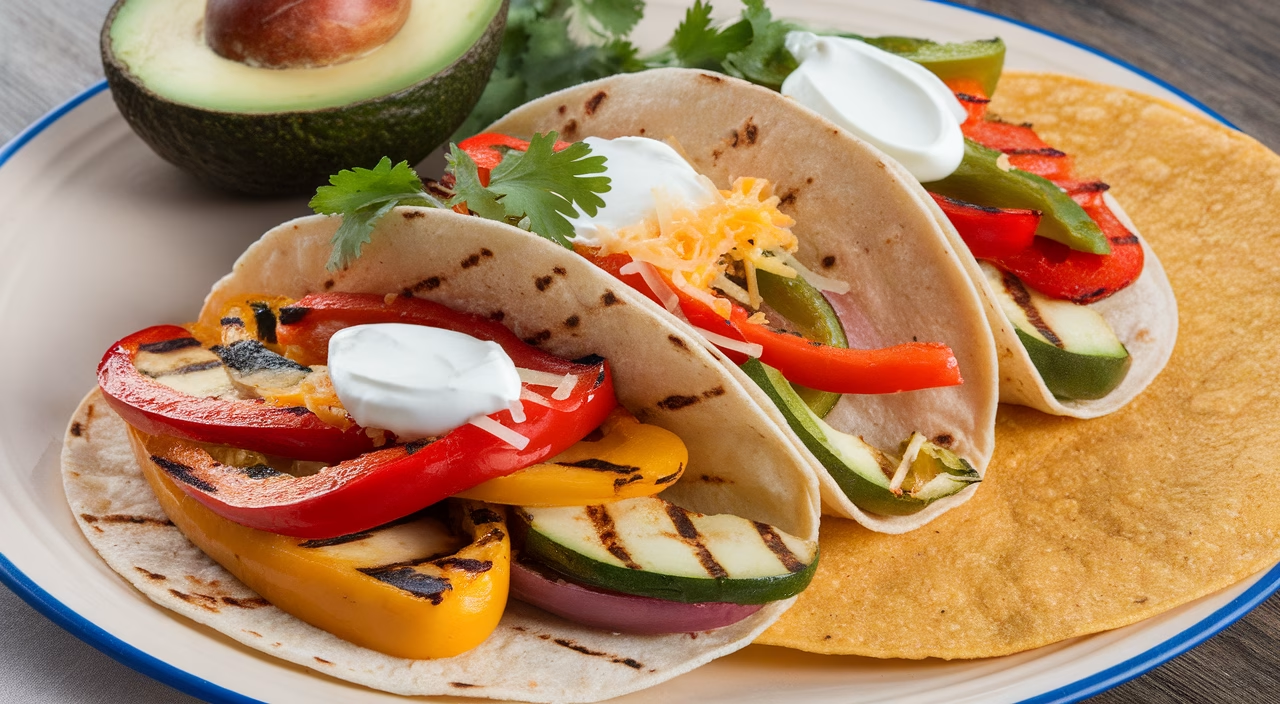
Use corn tortillas filled with grilled bell peppers, zucchini, and onions. Avocado adds healthy fats for lasting satiety without feeling heavy. Skipping cheese keeps this meal among the best foods to prevent snoring while maintaining delicious flavor.
Recipe 7: Brown Rice Bowl with Tofu, Broccoli & Tamari
Tofu offers complete plant-based protein, while broccoli supports natural liver detoxification—crucial for reducing nighttime congestion. Tamari delivers savory flavor without the inflammation that high-sodium soy sauce can trigger, making this perfect for snoring prevention.
Cost Guide: Budgeting for Snore-Prevention Meals
| Meal Plan Tier | Estimated Weekly Price | Main Inclusions |
|---|---|---|
| Budget-Friendly | $30–$40 | Lentils, tofu, bulk grains, frozen vegetables |
| Mid-Range | $60–$80 | Fresh vegetables, lean meats, herbs |
| Premium | $100–$150 | Wild fish, organic grains, specialty produce |
Final Thoughts: Can Eating Earlier Help Prevent Snoring Long-Term?
If you’re seeking effective snoring solutions through diet, understanding when and what you eat can create dramatic improvements in your sleep quality. Think of your body as a sophisticated machine winding down each night. The fewer demanding tasks it faces (like digesting heavy meals), the better it can focus on delivering restorative sleep and maintaining stable airways—directly supporting snoring prevention.
Start implementing these dietary timing strategies by eating dinner at least 3 hours before bed. Then, choose the best foods to prevent snoring—nutrient-rich, anti-inflammatory options while avoiding known snoring triggers like dairy and alcohol. Within days or weeks, you’ll likely notice increased morning energy and significantly fewer nighttime disruptions for both you and your partner.
Frequently Asked Questions
Can eating late make snoring worse?
Yes, eating late can significantly worsen snoring by increasing acid reflux and congestion—both conditions that partially block your airway during sleep and interfere with natural snoring prevention.
What are the best foods to prevent snoring naturally?
The best foods to prevent snoring include lean proteins, leafy greens, garlic, ginger, and omega-3 rich options like salmon. These foods help reduce inflammation and mucus production while supporting clearer airways throughout the night.
Is skipping dinner better than eating late?
No, completely skipping dinner can negatively affect blood sugar stability and cause sleep disturbances. It’s far better to enjoy light, sleep-friendly dinner ideas early in the evening rather than skip meals altogether.
How long before bed should I stop eating?
For optimal snoring prevention, finish eating at least 2.5 to 3 hours before lying down. This allows complete digestion and minimizes reflux risks that can contribute to nighttime snoring.
Are there specific ingredients that increase snoring?
Absolutely. Dairy products, fried foods, spicy dishes, alcohol, and processed sugar can promote inflammation or excess mucus production—both major contributors to increased snoring frequency and intensity.
Can dietary timing help with sleep apnea too?
While dietary timing strategies aren’t a cure for sleep apnea, eating earlier can help reduce symptoms by improving airway stability through better digestion and significantly reduced reflux occurrences.
Are there any drinks that help reduce snoring?
Yes! Herbal teas like chamomile, ginger, or peppermint can reduce inflammation, aid digestion, and promote relaxation before bedtime—all contributing to natural snoring prevention and improved sleep quality.