Why am I snoring so much during pregnancy?
Snoring during pregnancy is surprisingly common and usually caused by a cocktail of physical and hormonal changes. Increased blood flow, swelling of nasal passages, and weight gain all contribute to nighttime noises that can take you—and your partner—by surprise. But the good news? Pregnancy snoring is manageable with the right tools and know-how.
TL;DR Summary
- Snoring during pregnancy is often caused by hormonal shifts, increased blood volume, and weight gain.
- It typically starts in the second or third trimester but can occur earlier for some.
- Snoring can be minimized with effective strategies such as side-sleeping, nasal rinses, and room humidifiers.
- In rare cases, persistent pregnancy snoring may point to sleep apnea and should be evaluated.
- With gentle lifestyle tweaks and awareness, you can sleep better and protect your health—and your baby’s.
Understanding Snoring During Pregnancy
Ever found yourself waking up with a dry mouth, a sore throat, or your partner nudging you because of loud snoring? You’re not alone. Roughly 30% of pregnant women report new or worsened snoring during pregnancy. While it may feel frustrating or even embarrassing, it’s not your fault. Your body is doing something extraordinary—growing new life—and that comes with changes that reshape how you breathe, sleep, and rest.
In this comprehensive guide, we’ll walk through the root causes of snoring during pregnancy, explore how pregnancy snoring might affect your health, and give you clear, trustworthy solutions for pregnancy snoring to help you rest easier.
Causes of Snoring During Pregnancy
Hormonal Changes and Snoring
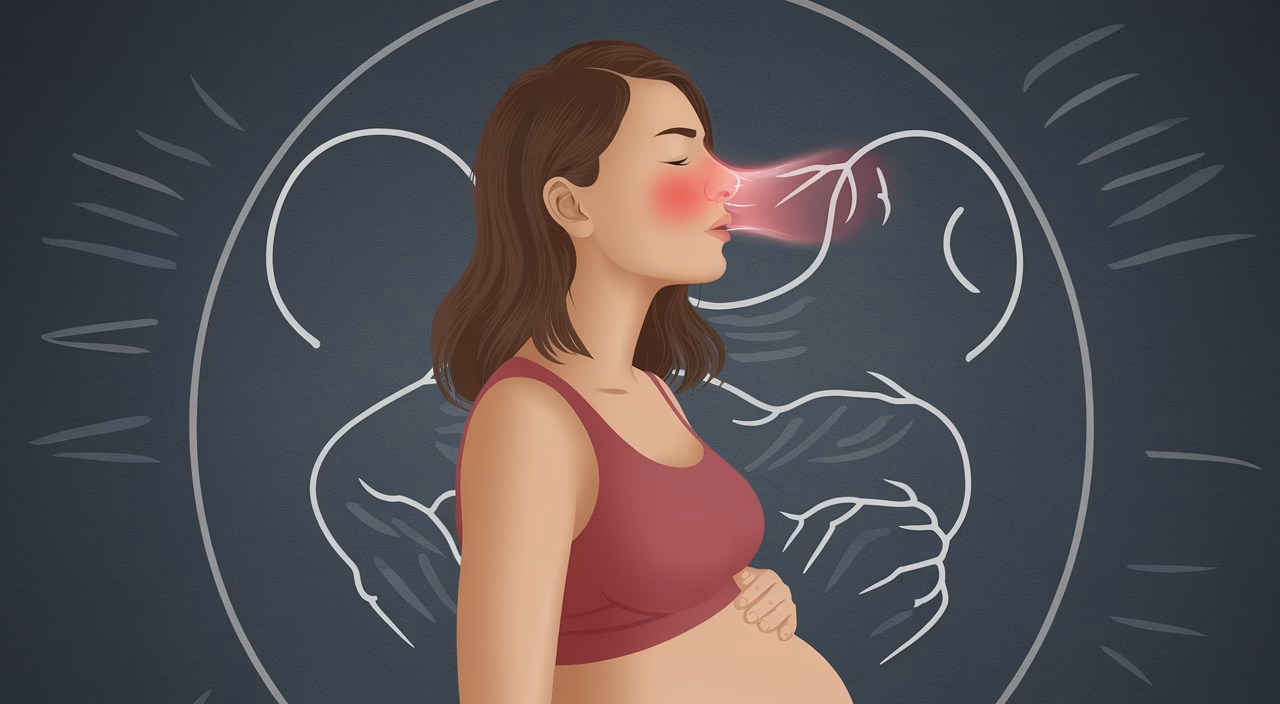
Throughout your pregnancy, your hormone levels—especially estrogen and progesterone—rise significantly. One of the effects? Your mucous membranes swell. This causes the nasal passages to narrow, making it harder to breathe smoothly while sleeping, especially when lying flat. These hormonal changes and snoring during pregnancy create increased blood volume, giving you a perfect recipe for snoring sounds.
We often tell our patients: think of your nose like a garden hose that’s swelling from the inside. Air still flows, but it’s more turbulent—and noisier. This is a natural response to hormonal changes, but one that can steal your sleep comfort fast.
Snoring and Weight Gain in Pregnancy
Snoring and weight gain in pregnancy are closely linked, particularly when weight accumulates around the neck and upper chest. This added weight can put pressure on your airway, narrowing your breathing space when you lie down and increasing pregnancy snoring intensity.
It’s important to note that weight gain during pregnancy is both normal and necessary—your body is cushioning and nurturing another human being. But if snoring during pregnancy becomes severe, especially in the third trimester, monitoring your weight and airway symptoms can help reduce discomfort and avoid complications like gestational sleep apnea.
Impact on Pregnancy Health
Occasional snoring during pregnancy typically doesn’t pose a direct threat, but consistent, loud pregnancy snoring could signal obstructive sleep apnea—a condition where breathing stops for short bursts during sleep. In pregnancy, untreated sleep apnea has been linked to gestational hypertension, preeclampsia, and low birth weight.
Signs to watch for include:
- Excessive daytime sleepiness despite full nights of sleep
- Gasping awake at night or feeling like you’re choking
- Morning headaches that persist
If these symptoms feel familiar alongside your pregnancy snoring, it’s worth discussing with your healthcare provider sooner than later. A sleep study may feel daunting, but many assessments can be done right from your own bed at home.
Tips for Managing Snoring During Pregnancy
Now let’s get to what you’re here for: Effective solutions for pregnancy snoring. Here are tested, gentle techniques tailored specifically for expecting moms dealing with pregnancy snoring.
Natural Remedies
Sometimes, small steps can make a world of difference. Explore these proven snoring remedies for pregnant women that are safe, holistic, and easy to try:
- Use a humidifier: Moist air keeps nasal passages unclogged and soothed, reducing pregnancy snoring naturally.
- Try saline nasal rinses: Flush out allergens that worsen swelling and congestion contributing to snoring during pregnancy.
- Essential oils: Eucalyptus or lavender in a diffuser may help open airways and reduce pregnancy snoring (always check with your provider first).
- Elevate your head: A second pillow or wedge can ease nighttime pressure on your airways and minimize snoring during pregnancy.
- Stay hydrated: Water thins mucus and prevents blockages that worsen pregnancy snoring.
Sleeping Positions
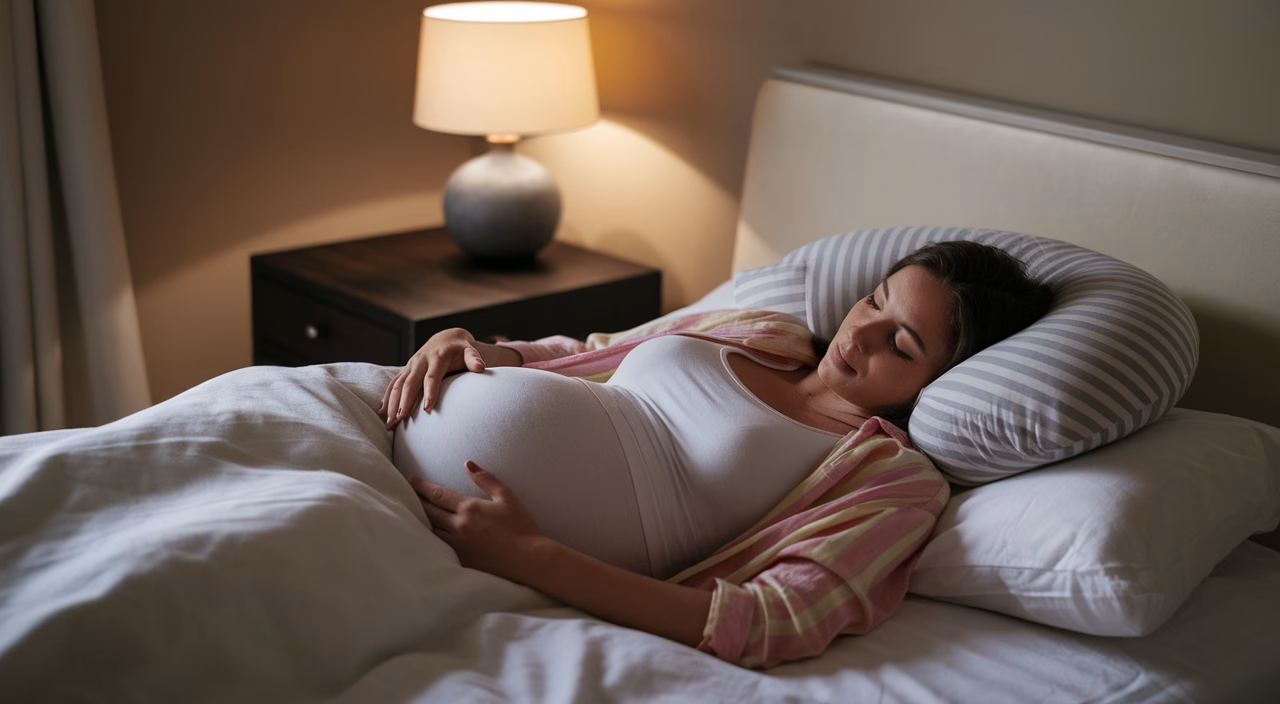
Your sleeping position plays a HUGE role in how you breathe at night and can dramatically impact pregnancy snoring. Back sleeping encourages your tongue and soft palate to collapse backward—narrowing your airway and worsening snoring during pregnancy. The fix? Sleep on your left side, which also supports circulation and reduces pressure on your organs while helping prevent snoring during pregnancy.
Here’s what often helps our patients reduce pregnancy snoring:
- Use a full-body or wedge pillow to support your belly and back while side-sleeping.
- Keep your head slightly elevated with a pillow under your shoulders to reduce snoring during pregnancy.
- Try switching sides if you feel discomfort during the night, but avoid back sleeping.
Remember, each body is different. It may take trial and error, but with the right setup, you can dramatically lower pregnancy snoring and wake up more refreshed.
Cost Guide: Snoring Management Aids for Pregnancy
| Solution Type | Low-End | Mid-Range | High-End |
|---|---|---|---|
| Humidifier | $25 | $50 | $100+ |
| Pregnancy Body Pillow | $30 | $60 | $150 |
| Saline Nasal Spray | $5 | $10 | $20 |
| Essential Oil Diffuser | $15 | $40 | $75 |
Conclusion: Bringing Peaceful Nights Back
There’s nothing quite like the exhaustion that comes during pregnancy—and snoring during pregnancy only layers on the frustration when what you need most is rest. But the good news is, you’re not powerless against pregnancy snoring. You can make small, empowering changes to reclaim your sleep, reduce pregnancy snoring, and protect your well-being and baby’s development.
From adjusting your sleep posture to embracing natural snoring remedies for pregnant women, you have a complete toolkit to help you rest peacefully again. And if pregnancy snoring becomes persistent or troubling, know that seeking professional support is a proactive, smart step.
Your comfort matters. Your rest matters. And we’re here to help make your pregnancy journey as comfortable, quiet, and healthy as it can be—free from disruptive snoring during pregnancy.
Frequently Asked Questions
Why do I snore so bad while pregnant?
Increased hormones, nasal swelling, weight gain, and blood volume all contribute to pregnancy snoring—it’s your body’s natural, though noisy, response to expecting.
When does snoring typically start during pregnancy?
Most women notice snoring during pregnancy beginning in the second or third trimester, although it can occur earlier depending on your body’s sensitivity to hormone changes and airflow restriction.
Is pregnancy snoring dangerous for my baby?
Occasional snoring during pregnancy is typically harmless. However, loud and persistent pregnancy snoring tied to sleep apnea may affect oxygen flow, so it’s worth a professional checkup.
Does pregnancy snoring go away after birth?
In most cases, yes. As hormonal levels and weight normalize postpartum, snoring during pregnancy often decreases or disappears entirely.
Can lifestyle changes help reduce snoring during pregnancy?
Absolutely. Hydration, healthy pregnancy weight management, side-sleeping, and nasal care can reduce or even eliminate pregnancy snoring effectively.
Should I be tested for sleep apnea if I snore a lot during pregnancy?
If you’re experiencing symptoms like gasping for air, extreme fatigue, or elevated blood pressure alongside pregnancy snoring, it’s a good idea to speak with your doctor about possible sleep apnea.
Are snoring aids safe to use while pregnant?
Many non-invasive aids like humidifiers, body pillows, and nasal strips are safe for managing pregnancy snoring, but always consult your healthcare provider before trying anything new.