Does Loud Snoring Really Affect Your Blood Pressure?
Yes, growing research suggests that snoring sound intensity—especially in individuals with primary snoring or mild obstructive sleep apnea (OSA)—directly impacts your morning blood pressure levels. The louder and more frequent your snores, the more likely they are to trigger nighttime arousals, which can raise heart rate and activate stress responses that persist into the morning, ultimately increasing cardiovascular strain and your risk of hypertension.
TL;DR – Quick Summary
- Snoring Sound Intensity: Louder snores significantly elevate morning blood pressure, especially in primary snorers and those with mild OSA.
- Why It Matters: High ambient snoring intensity activates your body’s stress systems during sleep, contributing to long-term cardiovascular issues and hypertension.
- How to Help: Natural remedies, lifestyle changes, and targeted sleep postures can dramatically reduce snoring intensity at home.
- When to Seek Help: If snoring is persistent and accompanied by fatigue or high blood pressure, consult a sleep specialist or pulmonologist immediately.
The Science of Snoring Sound Intensity and Blood Pressure
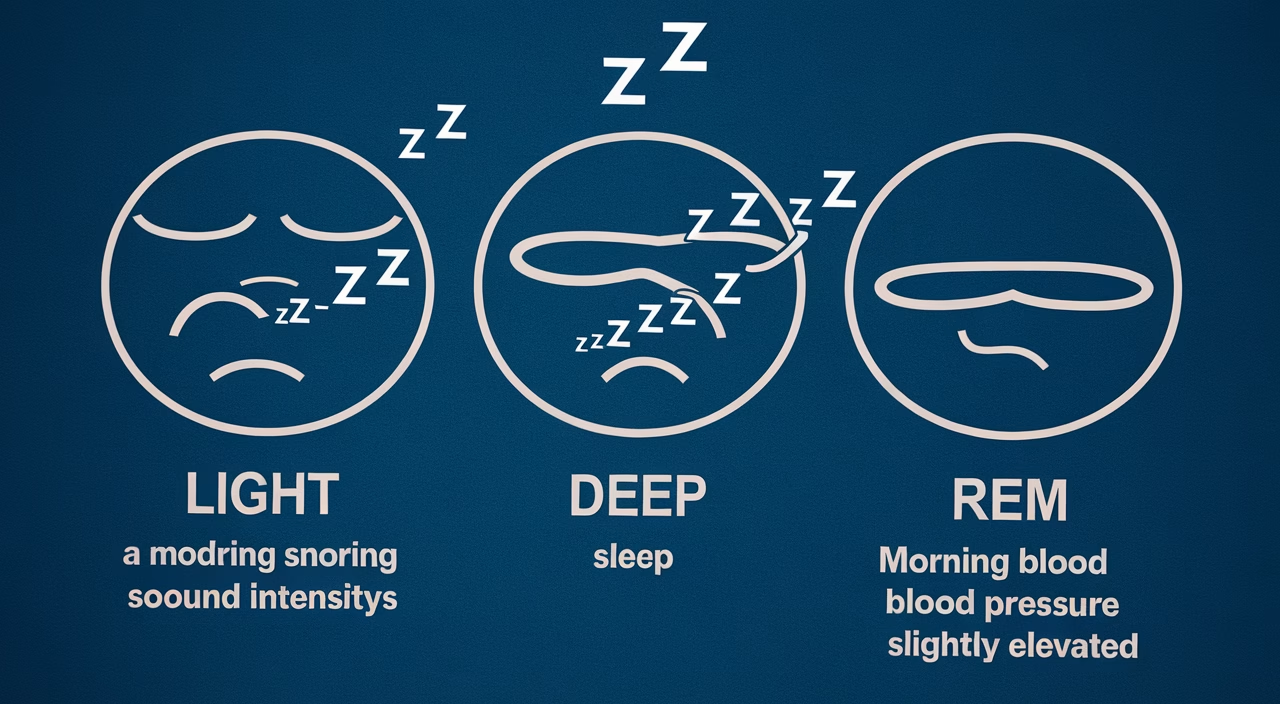
Snoring is more than a nighttime annoyance—it’s a cardiovascular warning sign. Recent studies focus not only on the presence of snoring but also on its snoring sound intensity, measured in decibels. When your ambient snoring intensity consistently exceeds certain thresholds, it doesn’t just disrupt your partner’s sleep; it influences your body’s sympathetic nervous system activity during sleep, turning what should be restorative time into a stress response.
How Sound Intensity Works
Every snore you produce is a vibration caused by partial obstruction of airflow in your throat. Louder snores often suggest more significant airway resistance—think of it like a clogged air duct: the tighter the space, the louder the noise. When this happens repeatedly throughout the night, it triggers micro-arousals—brief moments where your brain wakes slightly to restore breathing, disrupting deep sleep stages and directly affecting your blood pressure regulation.
Snoring and the Cardiovascular Connection
Your blood pressure naturally dips during sleep in what’s called the “nocturnal dip.” When snoring disrupts this cycle, especially in cases of primary snoring or mild OSA, your sympathetic nervous system activates, releasing adrenaline and cortisol. Over time, this chronic activation keeps your blood pressure elevated through the night and into the next morning. This is precisely how ambient snoring intensity becomes a silent contributor to morning blood pressure spikes and long-term hypertension.
Managing Snoring for Better Health Outcomes
Tackling your snoring doesn’t just improve your sleep quality—it could significantly lower your cardiovascular risk and help you reduce snoring intensity naturally. Here’s how you can take control:
1. How to Reduce Snoring Intensity at Home
There are several proven, non-invasive ways to lessen the volume of your nighttime snoring and potentially improve your morning blood pressure outcomes.
- Adjust Your Sleep Position: Sleeping on your back often worsens snoring sound intensity. Side sleeping reduces airway obstructions significantly.
- Lose Excess Weight: Excess neck fat narrows your airway and intensifies snoring—even a 10% weight loss can make a dramatic difference.
- Avoid Alcohol at Night: Alcohol relaxes throat muscles, increasing both snoring frequency and intensity.
- Maintain a Regular Sleep Schedule: Poor sleep hygiene enhances throat muscle relaxation, worsening your ambient snoring intensity.
2. Best Sleep Positions to Minimize Snoring
The simplest change you can make tonight? Flip from back sleeping to sleeping on your side. This single adjustment reduces gravitational collapse of your airway and can immediately lower your snoring sound intensity. We recommend investing in a body pillow or wedge cushion to help you maintain this posture throughout the night—it’s one of the most effective ways to reduce snoring intensity at home.
3. Snoring Exercises for Improved Sleep
Like any other muscle group, the tissues in your throat can be conditioned and strengthened. Daily oropharyngeal exercises (simple tongue and throat movements) can tone the flabby areas contributing to your snoring:
- Pronounce vowel sounds slowly and deliberately for 3 minutes daily
- Move your tongue up and down to the roof of your mouth 20 times
- Push your tongue against the back of your teeth and hold for 10 seconds
Natural Remedies and Lifestyle Changes to Reduce Snoring
Beyond postural and exercise interventions, several natural options can help you manage snoring and reduce its impact on your morning blood pressure (especially when symptoms are mild to moderate).
Natural Remedies for Snoring and High Blood Pressure
- Steam Inhalation: Clears nasal passages before bed, reducing snoring sound intensity by up to 40%.
- Proper Hydration: Keeps your airways lubricated, reducing friction between upper airway structures that contribute to loud snoring.
- Essential Oils: Peppermint and eucalyptus oils may reduce congestion when diffused—many users report quieter nights.
- Anti-inflammatory Diet: Foods that reduce tissue swelling (like omega-3s and turmeric) support throat health and can help reduce snoring intensity naturally.
Word of caution: While these natural remedies can provide significant relief for primary snoring, they don’t replace a clinical evaluation if your symptoms persist or worsen, especially if you’re experiencing morning blood pressure spikes.
Cost Guide: Snoring Management Solutions
| Category | Typical Treatments | Cost Range |
|---|---|---|
| Home Remedies | Steam, essential oils, body pillows | $10 – $100 |
| Sleep Position Aids | Wedge pillows, side-sleep trainers | $30 – $150 |
| Professional Evaluation | Sleep studies, ENT exams | $150 – $1500 |
| Clinical Treatment | CPAP, oral devices | $300 – $2500 |
When to Seek Professional Help for Snoring
So when does your snoring cross the line from annoying to alarming? Watch for these critical warning signals that suggest your snoring sound intensity may be impacting your health:
- Persistent morning headaches despite adequate sleep
- Gasping or choking episodes at night
- Excessive daytime sleepiness that impacts your daily activities
- High morning blood pressure unexplained by other causes
Treatment Options and Strategies
If lifestyle modifications don’t quiet your snoring or reduce your morning blood pressure, your next step should be clinical evaluation and treatment.
- Custom Oral Appliances: Reposition your lower jaw and tongue to reduce airway blockage—highly effective for mild OSA and primary snoring.
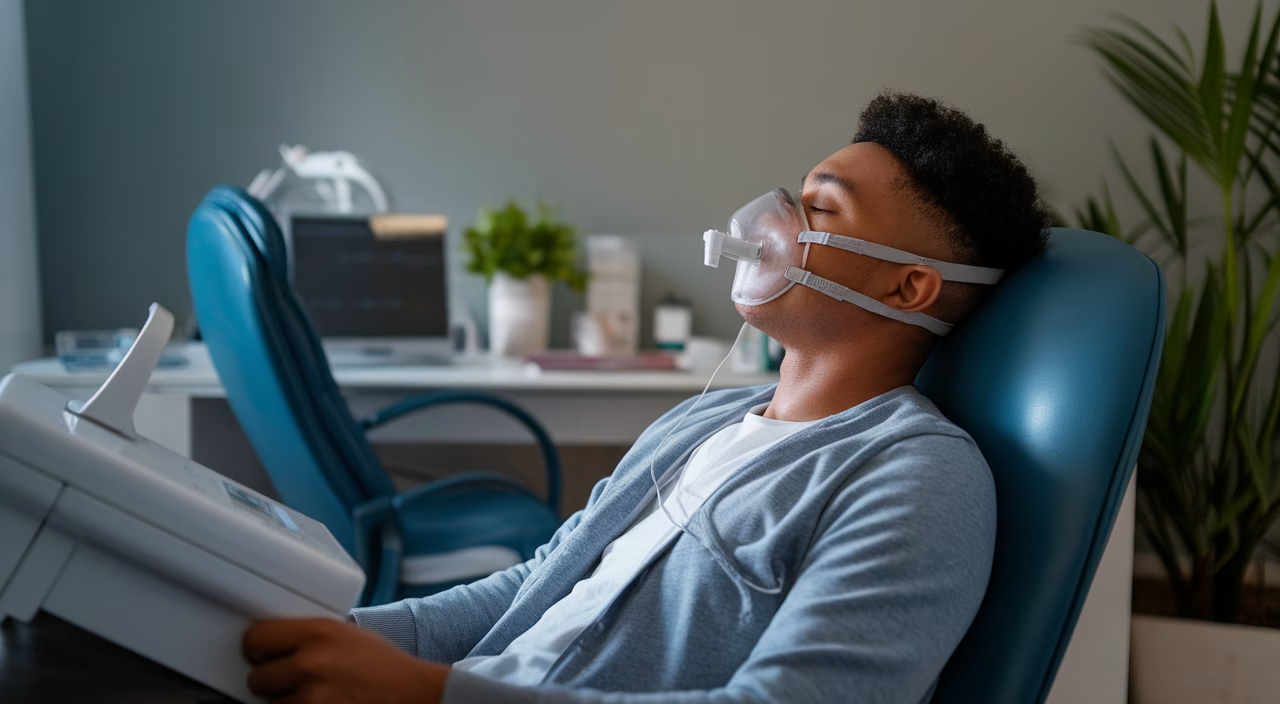
- Continuous Positive Airway Pressure (CPAP): The gold standard for OSA; pressurized air keeps your airways open, virtually eliminating snoring sound intensity.
- ENT Evaluation: Identifies structural causes like deviated septum, enlarged tonsils, or other anatomical factors contributing to your ambient snoring intensity.
Snoring and Health: The Big Picture
Your snoring isn’t just about sound—it’s a dynamic symptom tied to sleep quality, airway health, and cardiovascular well-being. Whether you’re dealing with mild OSA or primary snoring, addressing your snoring sound intensity can be a crucial part of protecting your long-term health and managing your morning blood pressure. The connection between ambient snoring intensity and cardiovascular health is real, measurable, and treatable.
Frequently Asked Questions
- Does high blood pressure make you snore?
While snoring can raise your blood pressure, the reverse relationship isn’t clearly established. However, poor sleep quality from loud snoring can contribute to cardiovascular dysregulation and hypertension. - Can snoring by itself cause health issues?
Yes. Chronic snoring, especially when loud and frequent, is directly linked to fragmented sleep which elevates stress hormones and morning blood pressure over time. - What does ambient snoring intensity mean?
It refers to the average loudness of your snores over an entire sleep session. High ambient snoring intensity has been linked to disrupted sleep and significantly higher morning blood pressure readings. - Are there exercises to reduce snoring?
Yes. Oropharyngeal exercises strengthen your throat muscles, helping reduce tissue collapsibility and snoring sound intensity naturally. - How loud is too loud when it comes to snoring?
Snoring above 60-70 decibels (as loud as a vacuum cleaner) is considered medically significant and may impact your morning blood pressure. - Should I see a doctor if I only snore?
If you also experience daytime fatigue, morning headaches, or elevated morning blood pressure, you should consult a sleep specialist to rule out mild OSA or other sleep disorders.