What’s Causing Your Snoring—And Can You Fix It Without Surgery?
Yes, you can stop snoring naturally in most cases. Snoring can often be significantly reduced—and even eliminated—using natural remedies, targeted lifestyle changes, and non-surgical treatments tailored to the underlying snoring causes.
TL;DR: Summary of How to Stop Snoring Naturally Without Surgery
- Snoring is caused by airflow obstruction while sleeping, often due to relaxed throat muscles, nasal congestion, or sleep position.
- Common snoring symptoms include loud noises during sleep, disrupted rest, dry mouth, and daytime fatigue.
- Natural remedies for snoring include nasal strips, sleeping on your side, weight loss, and throat-strengthening exercises.
- Lifestyle changes like quitting smoking or adjusting your pillow can significantly reduce snoring symptoms.
- Sleep apnea, a serious medical condition, might be lurking behind your snoring and requires medical attention.
- Anti-snoring devices can help side sleepers by keeping airways clearer through better sleep posture.
How Snoring Impacts Your Health
You may think of snoring as a harmless annoyance, but it can ripple through your life in unexpected ways. Snoring doesn’t just interrupt your partner’s rest—it affects yours, too. You wake up groggy, irritable, maybe even with a headache. Over time, your quality of life dips, relationships suffer, and serious health issues like sleep apnea can develop.
Understanding snoring causes is crucial because snoring signals that air isn’t flowing smoothly through your throat and nose. The resulting vibration of relaxed tissues creates that all-too-familiar sound. But it might also reflect deeper problems: collapsing airways, poor muscle tone, or chronic congestion. When snoring symptoms worsen or become nightly, it’s more than noise—it’s a health red flag.
Understanding the Causes of Snoring
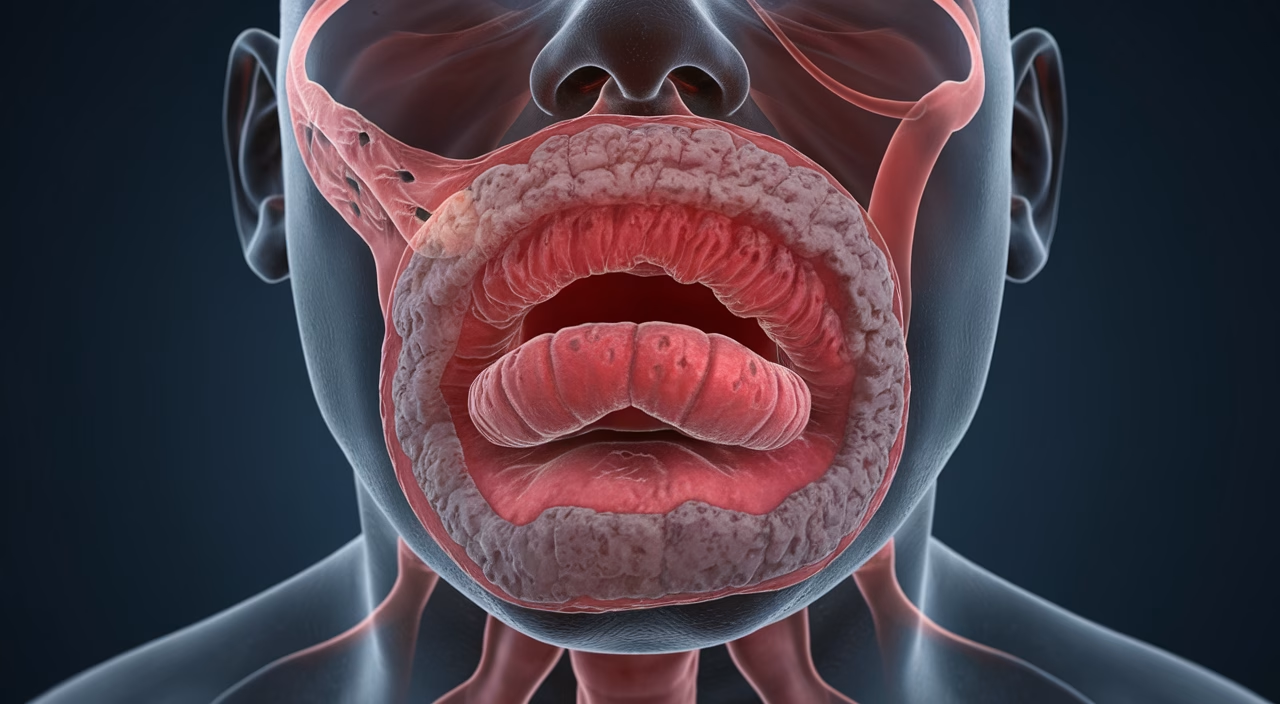
To stop snoring naturally, you need to understand what’s causing it. Snoring doesn’t happen in a vacuum—it’s your body trying to push air past obstructions. The snoring causes can vary from person to person, but generally involve one or more of the following:
- Soft palate and uvula relaxation: These structures wobble when overly relaxed during sleep, especially if you’re sleeping on your back.
- Nasal congestion: Allergies, colds, sinus infections, or deviated septum can cause narrow nasal passages
- Excess weight: Fat deposits around the neck and throat increase airway narrowing
- Alcohol and sedatives: These relax throat muscles and intensify snoring symptoms
- Age: As we age, muscle tone in your throat decreases
- Sleep position: Lying on your back causes the tongue to fall backward, blocking airflow
Ever noticed your snoring gets worse after a glass of wine or when you’re overtired? That’s no coincidence. These snoring causes can dial your symptoms up—or down.
Recognizing the Symptoms of Snoring
How can you tell that your snoring symptoms are more than just noise? These signs can offer clues about when to seek help:
- Loud, chronic snoring—often noticed by a partner
- Paused breathing or gasping in sleep
- Choking sensations overnight
- Mouth breathing or dry throat in the morning
- Morning headaches
- Irritability, brain fog, or exhaustion during the day
If these snoring symptoms sound familiar, your snoring could be a sign of obstructive sleep apnea (OSA). It’s crucial to consult a sleep specialist or ENT doctor to properly assess your risk.
Lifestyle Changes to Reduce Snoring
Before diving into gadgets or treatments, let’s start with the controllable: your daily choices. These natural, non-invasive lifestyle changes can have a powerful impact on how to stop snoring without surgery.
| Change | How it Helps |
|---|---|
| Lose excess weight | Reduces fatty tissue, improving airway space |
| Avoid alcohol before bed | Prevents muscle relaxation that worsens airway collapse |
| Establish regular sleep patterns | Promotes deeper, uninterrupted sleep cycles |
| Sleep on your side | Prevents tongue from blocking airways |
| Elevate your head | Uses gravity to keep airways open |
| Stay hydrated | Thins the mucus, keeping nasal passages clear |
In practice, even small changes—like switching pillows or reducing bedtime alcohol—can make a visible difference in snoring symptoms. Many patients notice real improvement in just a few weeks when they focus on these natural remedies for snoring.
Effective Treatment Options for Snoring
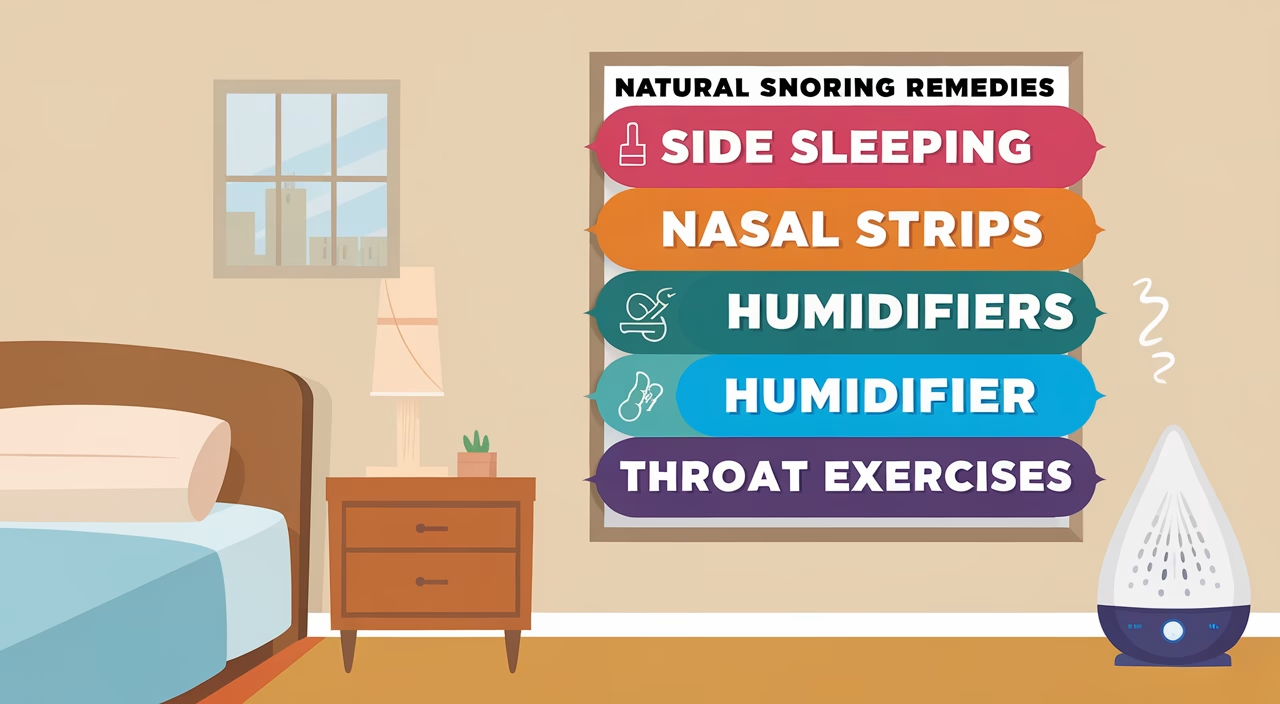
When lifestyle tweaks aren’t enough to stop snoring naturally, it’s time to explore targeted solutions. These don’t require surgery, yet they address the snoring causes more directly.
Natural Remedies for Snoring That Work
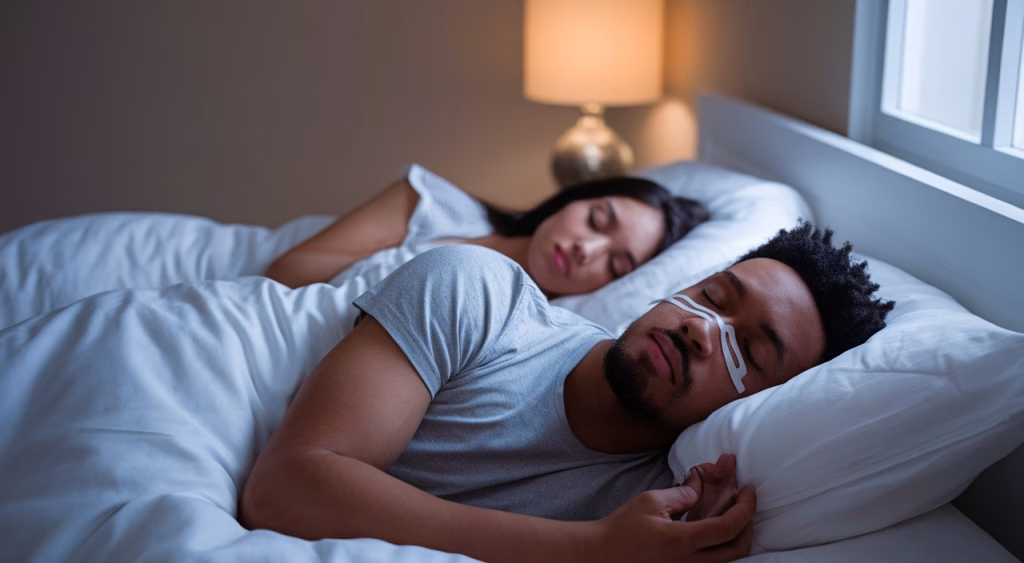
- Nasal dilators or strips: Help mechanically open narrowed nasal passages to reduce snoring symptoms
- Humidity control: Dry air irritates your nasal tissues; using a humidifier helps address snoring causes
- Essential oils: Eucalyptus or peppermint in steam inhalation can clear nasal blockages
- Throat and tongue exercises: Also known as myofunctional therapy, strengthens airway muscles to stop snoring naturally
How to Stop Snoring Without Surgery
If you’re looking for practical, non-invasive paths to reduce snoring symptoms, consider these proven anti-snoring devices:
- Mandibular advancement devices (MADs): Custom-fit mouthpieces that move the jaw slightly forward, keeping airways clear
- Nasal CPAP options: For louder snoring linked to sleep apnea, low-pressure CPAP devices work wonders when used correctly
- Specialized pillows: Designed to keep you on your side or elevate your head safely through the night
Best Anti-Snoring Devices for Side Sleepers
Side sleeping is often the first tip offered to people asking how to stop snoring without surgery—and with good reason. Gravity isn’t pushing your tongue backward. The best anti-snoring devices for side sleepers that support side sleep without reverting to back-sleeping include:
- Side-sleeping body pillows with shoulder cradles
- Adjustable wedge pillows to elevate chest and reduce reflux
- Vibration-activated position monitors that gently nudge you into better positions
For side sleepers seeking natural remedies for snoring, the key is stability and comfort. Look for ergonomic support and adjustable materials that address your specific snoring causes.
Cost Guide: Snoring Treatment Options
| Treatment Option | Price Range (USD) |
|---|---|
| Natural Remedies (oils, humidifiers) | $10 – $50 |
| Anti-snoring pillows/devices | $30 – $150 |
| Mandibular advancement devices | $60 – $200 |
| CPAP devices (non-prescription options) | $400 – $800 |
Final Thoughts: Reclaim Sleep Through Natural, Personalized Snoring Relief
You don’t have to live with disruptive snoring symptoms. By understanding the snoring causes and taking action through informed, natural choices, huge improvements are possible—without resorting to invasive surgery or monthlong sleep studies.
You deserve restful nights—and so does anyone sharing your bed. Whether it’s changing your sleeping position, trying natural remedies for snoring, or investing in the best anti-snoring devices for side sleepers, the right step is waiting for you. The key is finding the approach that addresses your specific snoring causes and fits your lifestyle.
Frequently Asked Questions
How to know when snoring is a problem?
If your snoring symptoms include pauses in breathing, choking, or gasping sounds, it may indicate sleep apnea. Also, if you feel tired during the day or your partner’s sleep is consistently disturbed, it’s time to seek help.
Can natural remedies cure snoring permanently?
While natural remedies for snoring are helpful, they work best when consistently applied and tailored to your specific snoring causes. Some may find permanent relief; others may need to combine approaches.
Do anti-snoring pillows really work?
Yes, especially for back-sleepers transitioning to side-sleeping. The right pillow can significantly improve your posture and reduce airway collapse during sleep, addressing key snoring causes.
What’s the best anti-snoring device for side sleepers?
The best anti-snoring devices for side sleepers include body-contouring pillows or positional trainers designed to keep you from rolling onto your back. Comfort and reliability are key.
Are over-the-counter mouthpieces safe?
Many are safe when used as directed, but for long-term use, a custom-fit device from a sleep specialist or ENT is ideal for addressing your specific snoring causes.
When should I see a doctor for snoring?
If lifestyle changes and natural remedies for snoring don’t help—and especially if you suspect sleep apnea based on your snoring symptoms—consulting a specialist is essential.
Does snoring always mean I have sleep apnea?
No, but loud, chronic snoring is one of the most common snoring symptoms of sleep apnea. A sleep study is the only way to confirm or rule out sleep apnea.