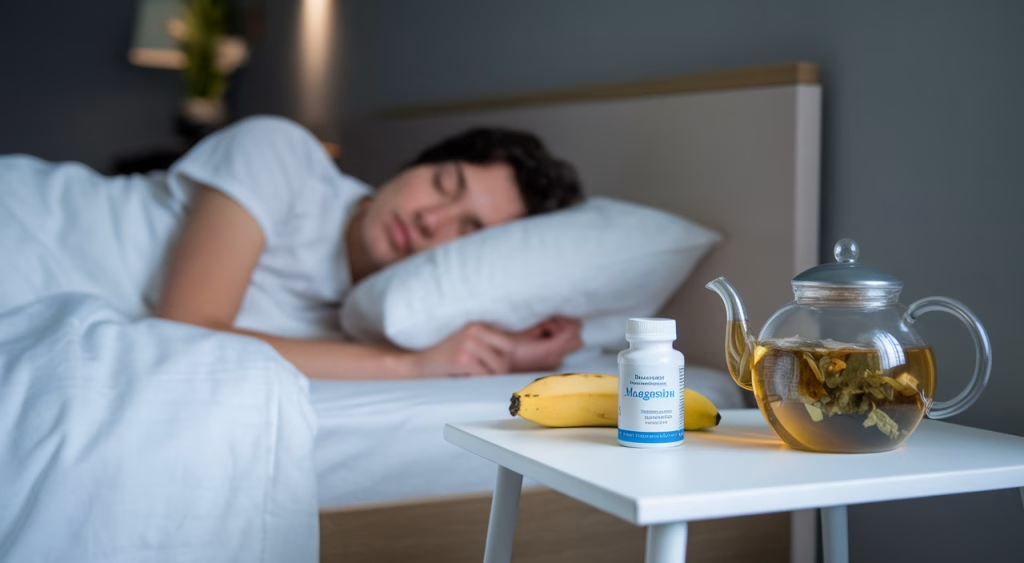
How Can I Reduce Snoring Naturally at Home?
Reducing snoring naturally starts with understanding the root of the problem—then making smart, sustainable tweaks to your daily habits. These natural snoring remedies include lifestyle changes for snoring like adjusting your sleep position, managing your weight, and modifying your diet. It’s not magic, but for many, these healthy habits to stop snoring are more effective than you’d think.
TL;DR: Summary
- Snoring isn’t just an annoyance: It can impact sleep quality, heart health, and even relationships.
- Lifestyle changes for snoring work: Adjusting diet, sleep posture, and body weight can meaningfully reduce snoring.
- Main culprits include: Excess weight, alcohol, poor sleeping positions for snoring relief, and congestion.
- Natural snoring remedies work for many: These include nasal rinses, sleeping on your side, and staying well-hydrated.
- There’s no one-size-fits-all solution: But real people have achieved real results by tweaking daily habits.
1. Understanding the Science Behind Snoring
1.1. Causes of Snoring
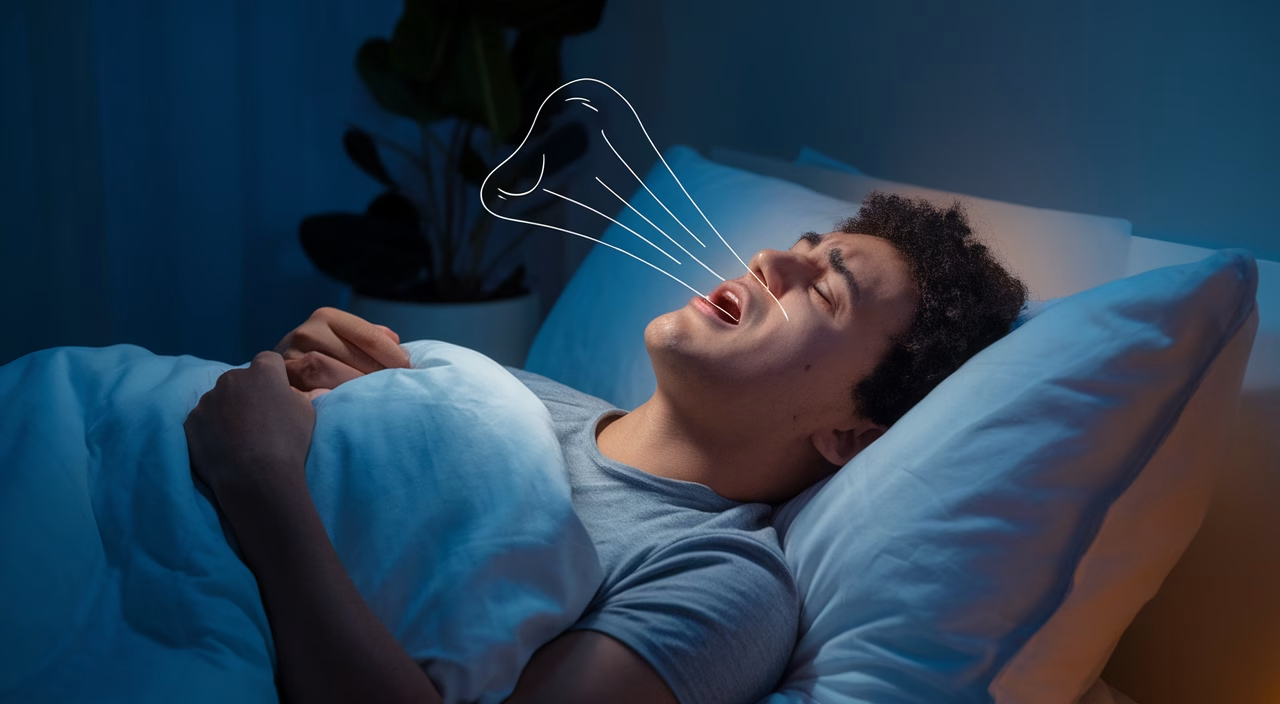
Snoring happens when air can’t move freely through your nose and throat during sleep. This turbulence causes the tissues to vibrate—which creates that disruptive sound. Several factors can trigger this chain reaction and prevent you from achieving natural snoring relief:
- Nasal congestion: Often due to allergies or sinus infections.
- Alcohol or sedative use: Relaxed throat muscles collapse more easily.
- Obesity: Extra fat around the neck can squeeze the airway.
- Sleep posture: Sleeping on your back allows the tongue to fall backward.
- Enlarged tonsils and adenoids: Particularly in children.
1.2. Impact of Snoring on Sleep Quality
Here’s what often happens: one night of snoring leads to fragmented sleep, leading to daytime fatigue. It becomes a domino effect—what feels like a minor annoyance evolves into a serious disruption. When you don’t address snoring naturally, it can lead to:
- Daytime drowsiness and irritability
- Poor concentration and performance
- Strained relationships and sleep apnea risk
2. Lifestyle Changes for Effective Snoring Reduction
Let’s break free from vague advice and focus on proven lifestyle changes for snoring that deliver real results. These natural snoring remedies can help you reduce snoring without expensive devices or invasive procedures.
2.1. Dietary Adjustments for Better Sleep
Yes, what—and when—you eat affects your breathing patterns. These dietary changes represent some of the most effective healthy habits to stop snoring. Eating heavy meals or dairy-rich foods close to bedtime can increase mucus production or lead to indigestion, both of which constrict your airways.
| Food Triggers | Effect on Air Passage |
|---|---|
| Dairy (milk, cheese) | Thickens mucus and clogs airflow |
| Fried foods | Causes reflux and inflammation |
| Sugar-heavy snacks | Leads to congestion and phlegm buildup |
Try substituting these with anti-inflammatory foods like leafy greens, turmeric, ginger tea, and omega-3 rich fats to naturally reduce snoring.
2.2. The Role of Hydration in Suppressing Snoring
Dehydration thickens mucus in your airways, which can amplify snoring. Think of water as a natural lubricant for your nasal passages. Staying well-hydrated throughout the day—and not just chugging a glass at bedtime—helps your airways stay clear and vibration-free, making it one of the simplest natural snoring remedies.
3. Creating a Snore-Free Environment
3.1. Optimal Sleeping Positions for Quieter Nights
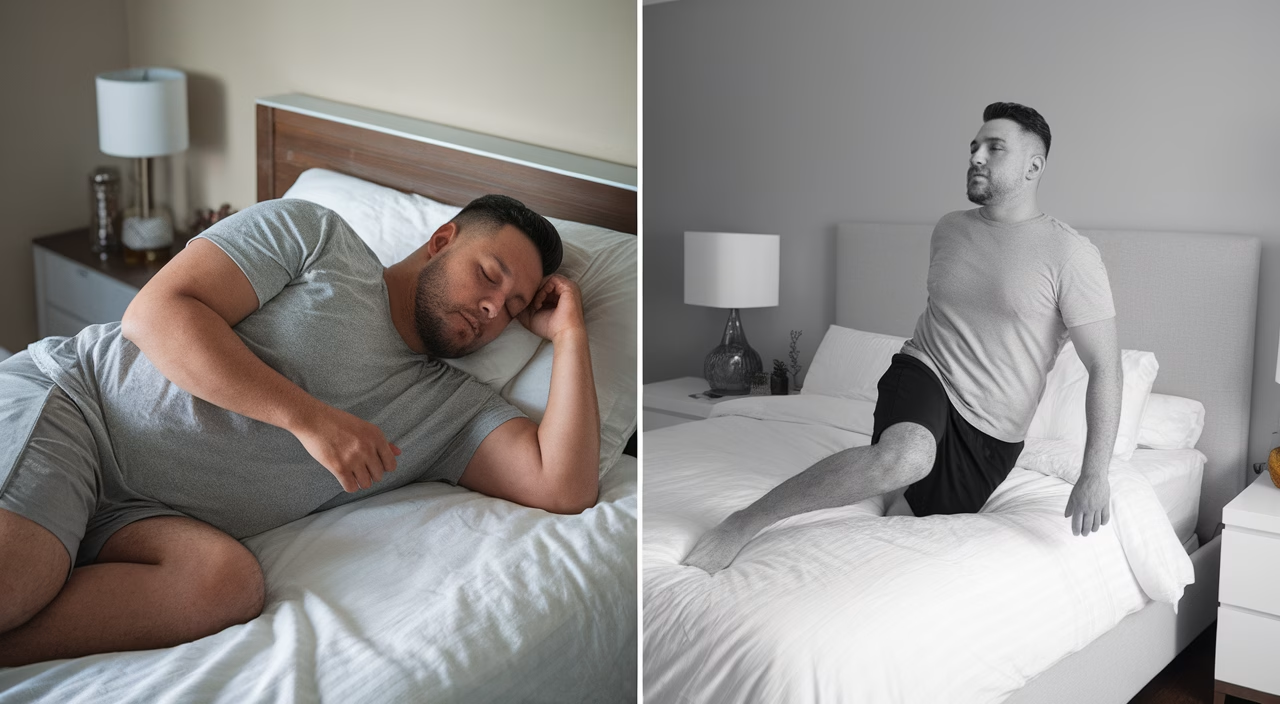
Back-sleepers, take note: Gravity is not your friend here. Lying on your back allows the tongue and soft palate to collapse to the back of your throat, narrowing the airway and ramping up the vibrations. The best sleeping positions for snoring relief include:
- Side sleeping: Reduces airway collapse and opens the natural flow of breath—the most effective of all sleeping positions for snoring relief.
- Elevated head position: Using a firm pillow or wedge can keep the airway open.
- Fetal position: Comfortably compresses abdomen and reduces acid reflux risk.
3.2. Weight Management Strategies for Snoring Relief
Carrying extra weight—especially around the neck and chest—puts pressure on your airways and soft tissues. This makes weight management one of the most important lifestyle changes for snoring. Numerous studies show that even modest weight loss can help reduce snoring intensity and frequency.
So what does that look like in real life? For one client of mine—let’s call him Dave—losing just 10 pounds through walking and portion control cut his snoring volume in half (his wife’s words, not mine!).
4. Cost Guide: Lifestyle vs. Other Snoring Solutions
| Solution Type | Cost Range | Notes |
|---|---|---|
| Lifestyle Adjustments (Diet, Sleep Position) | $0–$50 | Minimal investment, long-term benefits |
| Nasal Strips/Sprays | $10–$30 monthly | May offer short-term relief |
| CPAP Devices | $500–$1,000+ | For severe chronic snoring/apnea |
| Surgery | $3,000–$10,000 | Invasive; not always effective long-term |
5. Final Thoughts
Snoring may be common, but that doesn’t mean you have to just “live with it.” From implementing healthy habits to stop snoring to making thoughtful dietary changes, there are effective ways to reduce snoring naturally. Everyone’s path will look different—what works wonders for one person may only slightly help another. But quite often, the quietest nights start with the simplest lifestyle changes for snoring.
Frequently Asked Questions
- Can sleeping on your side really reduce snoring?
Yes, side sleeping can significantly improve airflow and prevent the tongue from collapsing into the airway. - Do certain foods make snoring worse?
Yes. Dairy, sugary snacks, and fried foods can increase mucus and nasal congestion. - Is snoring always a sign of sleep apnea?
Not always. Many people snore without having sleep apnea, though chronic or loud snoring warrants evaluation. - Will weight loss help reduce chronic snoring?
Very likely. Shedding even 5–10% of your body weight can significantly relieve pressure on your airways. - How much water should I drink daily to help with snoring?
Aim for 8 to 10 cups depending on your activity and climate to keep air passages moist and clear. - Can allergies cause snoring suddenly?
Yes, allergies can inflame the nasal passages and make breathing noisier at night. - Are natural snoring remedies enough for severe sleep issues?
They’re helpful for mild to moderate cases. If symptoms persist, seek medical advice for potential sleep apnea.