Why do people snore and how can it be treated?
Snoring happens when airflow through your mouth and nose gets partially blocked during sleep. While it can be harmless, snoring often signals something more serious like obstructive sleep apnea. The good news? There are many effective snoring treatments—from simple lifestyle changes to advanced surgical procedures—that can reduce or eliminate your snoring for good.
TL;DR: Summary
- Snoring is caused by the vibration of tissues in your throat due to restricted airflow.
- Common triggers include sleep position, weight, alcohol consumption, nasal issues, and age.
- Lifestyle changes such as sleeping on your side, losing weight, and avoiding alcohol can significantly reduce snoring.
- Over-the-counter devices like nasal strips and mouthpieces offer relief to many people.
- Medical interventions range from CPAP therapy to snoring surgery like UPPP and Inspire implants.
- Snoring may signal sleep apnea, a serious condition that requires medical attention.
Introduction: Understanding the Causes of Snoring
Ever wondered why some nights you snore louder than a freight train, while others you sleep silently? Snoring is more than just a noisy habit—it’s often your body’s way of telling you something needs attention. Understanding snoring causes is the first step toward finding effective snoring treatments that work for you.
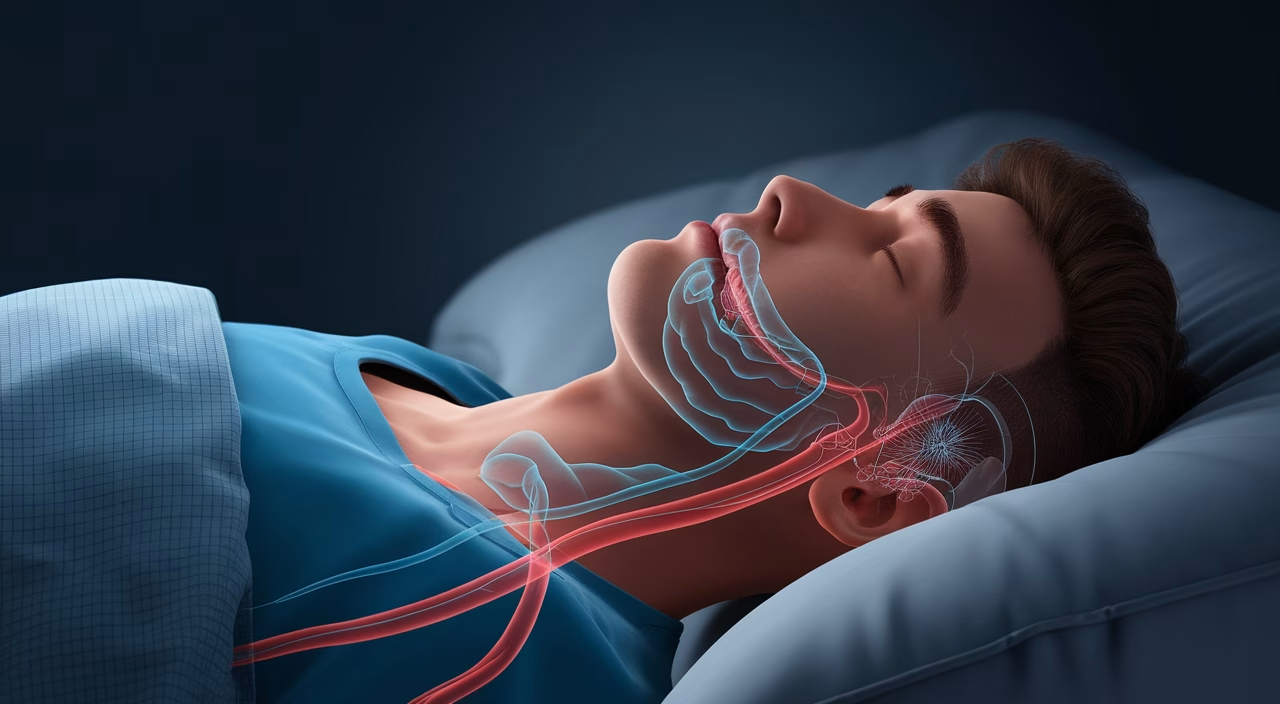
Snoring happens when tissues in your upper airway vibrate as air struggles to pass through. The causes vary widely: nasal congestion, alcohol intake before bed, obesity, or anatomical factors like a deviated septum or enlarged tonsils. When snoring gets louder or more frequent, it could hint at sleep apnea—a dangerous condition where your breathing stops briefly during sleep.
So how do we stop the sound and start sleeping better? It begins with addressing the root cause of your snoring symptoms.
Lifestyle Changes: Simple Adjustments to Reduce Snoring
Before exploring devices and surgeries, let’s discuss some real-world changes that can make a surprising difference. Often, your daily habits contribute to snoring symptoms. Here are lifestyle tweaks that have helped countless people discover how to stop snoring naturally and effectively.
1. Sleep Position Matters
Sleeping on your back allows your tongue and soft palate to collapse to the back of your throat, narrowing your airway. Try sleeping on your side instead—this simple change can dramatically reduce snoring. Some people use body pillows or even tennis balls sewn into pajama backs as a gentle reminder.
2. Weight Loss
Extra body weight—especially around your neck—puts pressure on your airway. Even losing 10% of your body weight can markedly reduce snoring symptoms and improve your overall sleep quality.
3. Avoid Alcohol and Sedatives
Alcohol and some medications relax your throat muscles too much, inviting snoring. Try cutting back, especially within three hours of bedtime, and you’ll likely notice a difference in your snoring intensity.
4. Treat Nasal Congestion
If you can’t breathe easily through your nose, you’re more likely to snore. Use saline sprays, nasal dilators, or allergy treatments to keep your nasal passages clear and reduce snoring causes.
5. Create a Sleep-Friendly Environment
Dry air irritates your airways and worsens snoring symptoms. Consider using a humidifier in your bedroom. Good sleep hygiene matters too—go to bed at a consistent time and avoid screens before sleep to improve your overall rest quality.
Medical Devices: The Best Options for Managing Snoring
When lifestyle changes aren’t enough to stop snoring, many people turn to snoring devices. While there’s no one-size-fits-all product, these tools have proven effective snoring treatments for many:
1. Nasal Strips and Dilators
These work by physically opening your nostrils, improving airflow and reducing the vibration that causes snoring. They’re especially helpful if nasal congestion is one of your primary snoring causes.
2. Anti-Snoring Mouthpieces (Mandibular Advancement Devices)
These devices pull your lower jaw slightly forward, keeping your airway open throughout the night. Custom-fitted ones offer the best results for reducing snoring symptoms, though they cost more than over-the-counter options.
3. CPAP Machines (For Sleep Apnea)
If your snoring stems from obstructive sleep apnea, a CPAP machine—which delivers pressurized air through a mask—can be life-changing. It’s one of the most effective snoring treatments for sleep apnea patients.
4. Chin Straps and Positional Trainers
These devices keep your mouth closed or promote side sleeping, reducing vibration in your soft palate or tongue that leads to snoring.
Cost Guide: What to Expect for Snoring Treatments
| Treatment Type | Cost Range (Approx.) |
|---|---|
| Lifestyle Changes (Free to Low-Cost) | $0 – $50 |
| Nasal Strips or Dilators | $10 – $30/month |
| Anti-Snoring Mouthpieces | $50 – $500 |
| CPAP Machine | $500 – $1,500 |
| Snoring Surgery | $3,000 – $10,000+ |
Combating Sleep Apnea: The Link Between Snoring and Sleep Disorder
Here’s what you need to know—snoring isn’t always harmless. It can be an alarming clue pointing to obstructive sleep apnea (OSA), especially if your snoring is loud and irregular, or accompanied by gasping, choking, or daytime fatigue. Studies show up to 75% of loud snorers have some degree of OSA.
Sleep apnea is a condition where your airway repeatedly collapses during sleep, reducing oxygen flow to your brain and body. Left untreated, it raises your risk of heart disease, stroke, type 2 diabetes, and mood disorders. Understanding this connection between snoring causes and sleep apnea is crucial for your health.
When should you be concerned about your snoring symptoms? If your partner notices pauses in your breathing, or you wake up tired no matter how long you’ve slept, it’s time to talk to a doctor about a sleep study.
Surgical Solutions: Advanced Treatments for Chronic Snoring
If conservative measures fail and severe snoring continues to disturb your sleep (or your partner’s), snoring surgery might be worth considering. Here’s a breakdown of common surgical snoring treatments:
1. Uvulopalatopharyngoplasty (UPPP)
This procedure removes excess tissue in your throat, including the uvula, to widen your airway. Recovery can be uncomfortable, but outcomes are often positive for reducing chronic snoring symptoms.
2. Radiofrequency Ablation (RFA)
A minimally invasive option that shrinks tissue in your soft palate using controlled heat. You’re typically back to normal activities the next day, making it an attractive snoring treatment for busy people.
3. Pillar Procedure
Surgically inserted implants stiffen your soft palate, reducing the vibration that causes snoring. It’s less invasive than other surgical options with minimal discomfort.
4. Inspire Therapy
This involves an implanted nerve stimulator that activates your throat muscles during sleep to keep your airway open. Think of it like a pacemaker for breathing. It’s especially helpful for sleep apnea patients who can’t tolerate CPAP therapy.
Final Thoughts
Snoring is more than a nighttime inconvenience—it’s often a health signal that shouldn’t be ignored. The encouraging news? You’re not stuck with it. From simple bedtime adjustments to advanced snoring treatments, there’s a solution that can help you achieve peaceful, quiet rest. Don’t let embarrassment or frustration stop you from seeking help. With the right combination of lifestyle changes and, if needed, professional snoring treatments, you can significantly reduce or eliminate your snoring symptoms altogether.
Frequently Asked Questions
Why is snoring worse some nights?
Snoring can worsen after alcohol consumption, when you’re congested, or during deep sleep phases—all of which increase airway relaxation. Your sleep position plays a major role too, with back sleeping typically making snoring symptoms worse.
Can snoring be cured permanently?
Yes—especially if the underlying snoring causes are anatomical and addressed through surgery or effective devices. Lifestyle changes focused on addressing root snoring causes can also have long-lasting effects.
When should I see a doctor for snoring?
If your snoring symptoms disrupt sleep, are very loud, occur nightly, or are paired with daytime fatigue or breathing interruptions, see a sleep specialist or ENT to explore appropriate snoring treatments.
Do children snore too?
Yes, kids can develop snoring symptoms—often due to enlarged tonsils or allergies. Persistent snoring in children should be evaluated by a pediatric ENT to determine appropriate snoring treatments.
Does weight gain cause new snoring?
Absolutely. Carrying excess weight around your neck can narrow your airway, making snoring symptoms more likely even if snoring wasn’t present before. Weight gain is one of the most common snoring causes in adults.
What is the best sleep position to stop snoring?
Sleeping on your side reduces the chance of airway collapse compared to lying on your back, which can significantly worsen snoring symptoms. Side sleeping is one of the most effective natural snoring treatments.
Is snoring a sign of sleep apnea?
It can be, especially when snoring symptoms are accompanied by gasps, sudden awakenings, or severe daytime fatigue. A sleep study can confirm whether your snoring is related to sleep apnea and help determine the most effective snoring treatments.