Why Do People Snore More in Winter?
If you’ve noticed your snoring gets worse during cold weather, you’re not alone. Winter creates the perfect storm for increased snoring through dry indoor air, heightened sinus congestion, and seasonal lifestyle changes that disrupt your natural breathing patterns. Understanding these winter-specific triggers is your first step toward finding effective winter snoring remedies.
TL;DR Summary
- Dry air in winter irritates nasal passages, leading to inflamed tissues and increased snoring.
- Cold-induced congestion restricts airflow, especially during sleep.
- Using humidifiers, nasal rinses, and sleeping on your side are highly effective tips to stop snoring in winter.
- Natural winter snoring remedies can include essential oils, steam therapy, and improved hydration.
- Winter-specific lifestyle changes like weight control, drinking herbal teas, and adjusting your sleep environment help prevent snoring long-term.
Causes of Snoring in Cold Weather
Understanding why snoring intensifies during cold weather helps you target the right winter snoring remedies. Here are the main culprits behind your seasonal snoring struggles:
Dry, Heated Indoor Air
When you crank up the heat to stay cozy, you’re creating bone-dry indoor air that dehydrates the delicate tissues in your nose and throat. This dryness increases friction during breathing and makes snoring significantly worse. It’s one of the most common causes of snoring in cold weather.
Seasonal Allergens & Congestion
Winter traps allergens like dust mites, indoor mold, and pet dander inside your sealed home. Add seasonal colds and flu to the mix, and you’ve got serious airway obstruction. These winter allergens directly contribute to how to prevent winter snoring challenges.
Sleeping Position and Lifestyle
Cold months often bring less activity, slight weight gain, and heavier bedding. Extra weight around your neck narrows airways, while sleeping on your back allows your tongue to fall backward — creating the perfect recipe for winter snoring.
Practical Tips to Stop Snoring in Winter
Ready to tackle your winter snoring head-on? These actionable tips to stop snoring in winter will help you breathe easier and sleep quieter starting tonight.
1. Keep Your Bedroom Air Moist
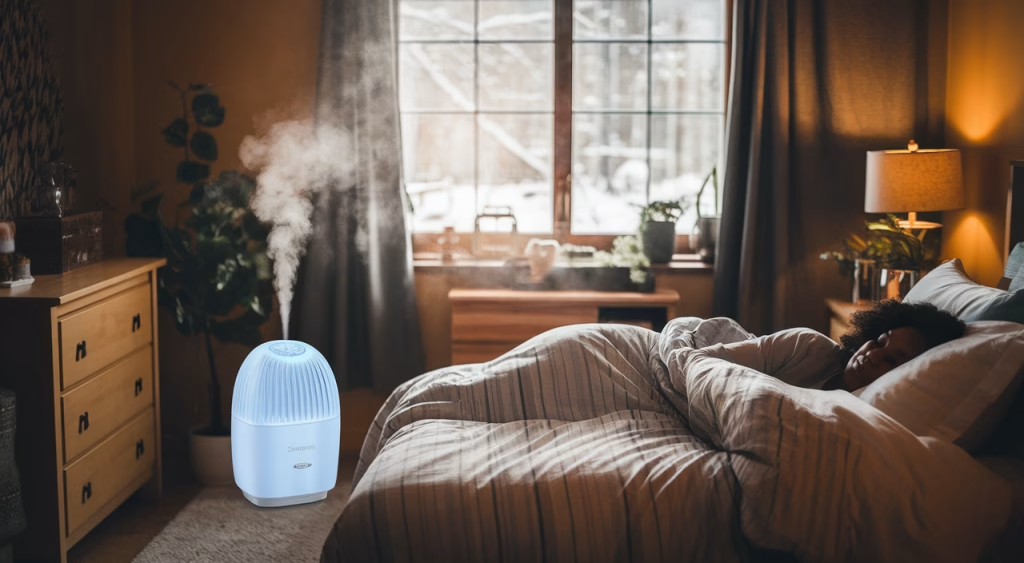
A humidifier is your best friend for winter snoring remedies. Maintaining indoor humidity between 40-60% prevents nasal passage dryness and reduces throat tissue irritation that causes snoring in cold weather.
2. Clear Nasal Passages Before Bed
Use saline nasal sprays or try steam inhalation 30 minutes before sleep. This simple winter snoring advice can dramatically improve your breathing. Even a bowl of hot water with a towel over your head works wonders for congestion relief.
3. Adjust Sleep Position
Side sleeping prevents your tongue from blocking your throat — one of the most effective natural ways to prevent winter snoring. Use body pillows or elevate your upper body with a wedge pillow for optimal airflow.
4. Minimize Allergen Exposure
Change bedding weekly, vacuum regularly, and use hypoallergenic covers. Since winter allergens trigger inflammation that narrows nasal passages, this step is crucial for how to prevent winter snoring effectively.
5. Stay Hydrated
Drink plenty of water throughout the day. Proper hydration keeps throat tissues plump and less prone to the vibrations that cause snoring, making it one of the simplest yet most effective winter snoring remedies.
Natural Ways to Prevent Winter Snoring
If you prefer natural approaches, these proven remedies offer excellent relief by reducing inflammation, opening airways, and enhancing nighttime moisture without medication.
Essential Oils and Diffusion
Eucalyptus and peppermint oils naturally decongest airways and reduce inflammation. Using a diffuser with these oils creates an ideal environment for preventing snoring in cold weather.
Steam Therapy
Hot showers or steam bowls with eucalyptus oil open sinuses effectively. This natural winter snoring remedy works particularly well for nasal snoring caused by sinus pressure and congestion.
Gargle with Salt Water
Salt water soothes dry, irritated throats and reduces mild inflammation in your upper airway. Gargle gently for 30 seconds before bedtime as part of your winter snoring advice routine.
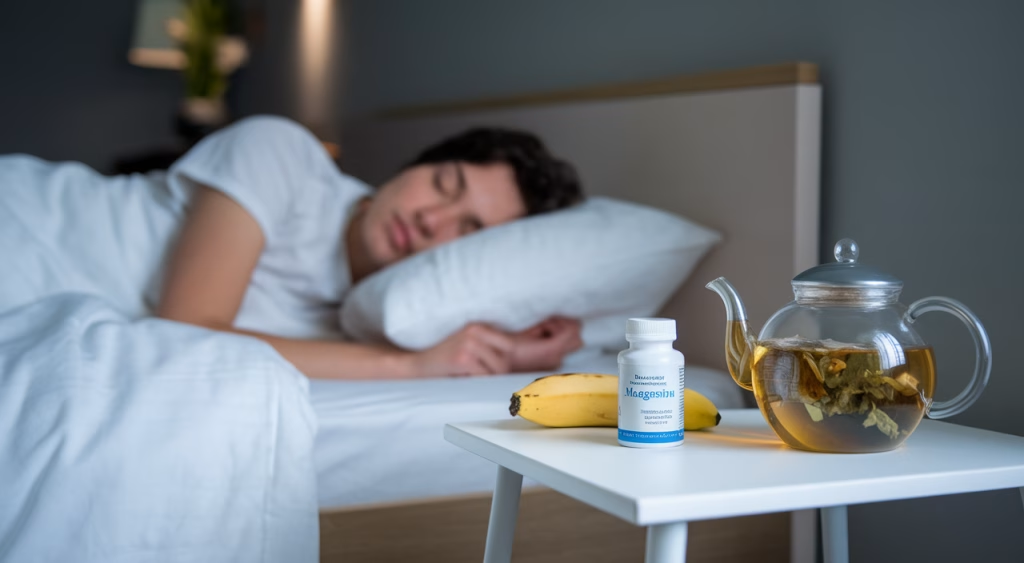
Warm Herbal Teas
Peppermint, chamomile, and ginger teas promote relaxation while clearing nasal passages. These natural winter snoring remedies work best when you avoid caffeine and alcohol before bed.
Throat Exercises
Daily vocal and breathing exercises strengthen throat muscles, decreasing airway collapse chances. While it might sound unusual, science backs this approach as one of the effective natural ways to prevent winter snoring.
Lifestyle Changes to Reduce Snoring in the Winter
Long-term success requires addressing the root causes of winter snoring through targeted lifestyle adjustments that work specifically for cold weather challenges.
Manage Your Weight
Even small weight changes significantly affect snoring patterns. Maintaining healthy habits during hibernation season is crucial for effective winter snoring remedies, as extra pounds around your neck directly contribute to airway obstruction.
Winter Exercise Inspiration
Simple indoor workouts, yoga sessions, or hallway walks keep your metabolism active. Use fitness apps or join virtual classes to stay motivated when it’s too cold outside — this supports your overall strategy for how to prevent winter snoring.

Cost Guide: Winter Snoring Solutions
| Solution | Low-End | Mid-Range | High-End |
|---|---|---|---|
| Humidifiers | $20 | $50 | $100+ |
| Nasal Sprays & Rinses | $5 | $15 | $30 |
| Wedge Pillows | $25 | $60 | $120 |
| Essential Oils & Diffusers | $10 | $30 | $70 |
Final Thoughts
You don’t have to accept winter snoring as inevitable. With consistent application of these proven tips to stop snoring in winter, most people experience noticeable relief within days. Whether you choose natural winter snoring remedies, lifestyle adjustments, or comprehensive bedtime routine changes, the key is finding what works for your specific situation and sticking with it. Cold weather may be challenging, but peaceful, quiet nights are absolutely achievable.
Frequently Asked Questions
Why do I snore more in winter?
Because colder weather triggers dry indoor air, nasal congestion, and lifestyle changes (like weight gain), all of which increase airway resistance and amplify snoring.
Are there natural ways to prevent winter snoring?
Yes. Steam therapy, essential oils, herbal teas, and nasal rinses are proven natural options to help relieve winter-related snoring.
Does a humidifier help with winter snoring?
Absolutely. Keeping your bedroom air moist prevents throat dryness and irritation — both of which contribute to snoring.
Should I change my sleep position in winter?
Yes — sleeping on your side helps prevent your tongue from collapsing backward and blocking your airway, a common issue when back-sleeping in cold months.
How soon will I see results from winter snoring remedies?
Relief can come within a few nights, especially when using humidifiers and nasal rinses, but lifestyle changes may take a few weeks for lasting effects.
Do colds and flu make snoring worse in winter?
Yes — congestion from illnesses narrows nasal passages, making breathing louder and more difficult when sleeping.
Can losing weight in winter reduce snoring?
Yes — even modest weight loss can reduce fat deposits around the throat and improve airflow, minimizing snoring.