What Is Myopathy of the Upper Airway and How Does It Cause Your Snoring?
If you’ve been battling chronic snoring or obstructive sleep apnea (OSA), you might be wondering—what’s actually happening in my throat that causes this every single night? One of the most overlooked culprits is **myopathy in snoring**. This condition occurs when the muscles in your throat and upper airway lose their strength or structural integrity, dramatically changing how you breathe while asleep.
Think of your upper airway muscles as the gatekeepers of peaceful sleep. When **myopathy in snoring** develops, these crucial muscles can no longer maintain proper airway support, leading to the collapse and vibration that creates snoring sounds.
TL;DR: Key Insights on Upper Airway Myopathy
- Upper airway myopathy involves weakened or degenerated muscles that control your breathing pathways during sleep.
- It directly contributes to snoring and more severe conditions like obstructive sleep apnea.
- Neuropathy impact on sleep apnea occurs when nerve dysfunction disrupts muscle control in your throat.
- Warning signs include intense snoring, daytime exhaustion, and breathing interruptions during sleep.
- Treatment options range from targeted muscle exercises and lifestyle modifications to advanced surgical interventions.
- Proper diagnosis is essential—this isn’t “just snoring” you can ignore.
What Triggers Muscle Changes in Upper Airway?
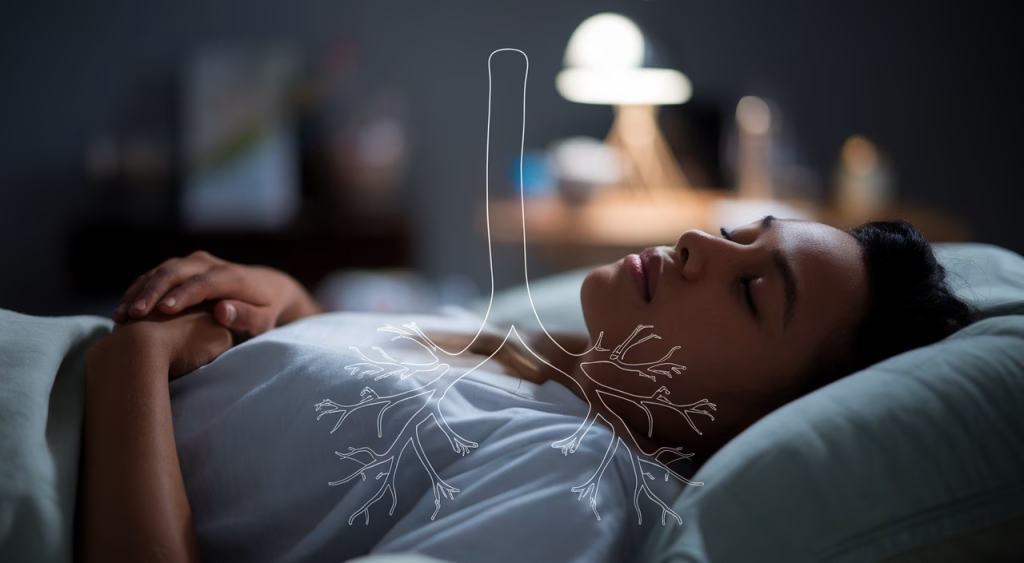
Picture your upper airway as a flexible tunnel supported by a network of muscles. These muscles contract and relax to keep your airway open as you breathe throughout the night. But when **muscle changes in upper airway** occur—due to inflammation, nerve damage, or aging—this tunnel starts to collapse inward. This is one of the primary causes of chronic snoring and dangerous apneic episodes.
Several key factors trigger **muscle changes in upper airway**:
- Chronic inflammation: Conditions like acid reflux or persistent allergies cause ongoing tissue irritation, gradually breaking down muscle fibers over time.
- Excess weight: Fat deposits around your neck create mechanical pressure on the airway structure, forcing muscles to work harder.
- Natural aging: As we get older, muscle tone naturally declines throughout our body—including the critical muscles in your upper throat.
- Neuropathy: When nerves become damaged, they can’t properly signal these muscles, severely limiting their ability to contract effectively.
Don’t overlook the repetitive trauma caused by snoring itself—those harsh vibrations night after night don’t just disturb your partner, they can literally damage the delicate tissues and nerve pathways over time.
Understanding Neuropathy Impact on Sleep Apnea
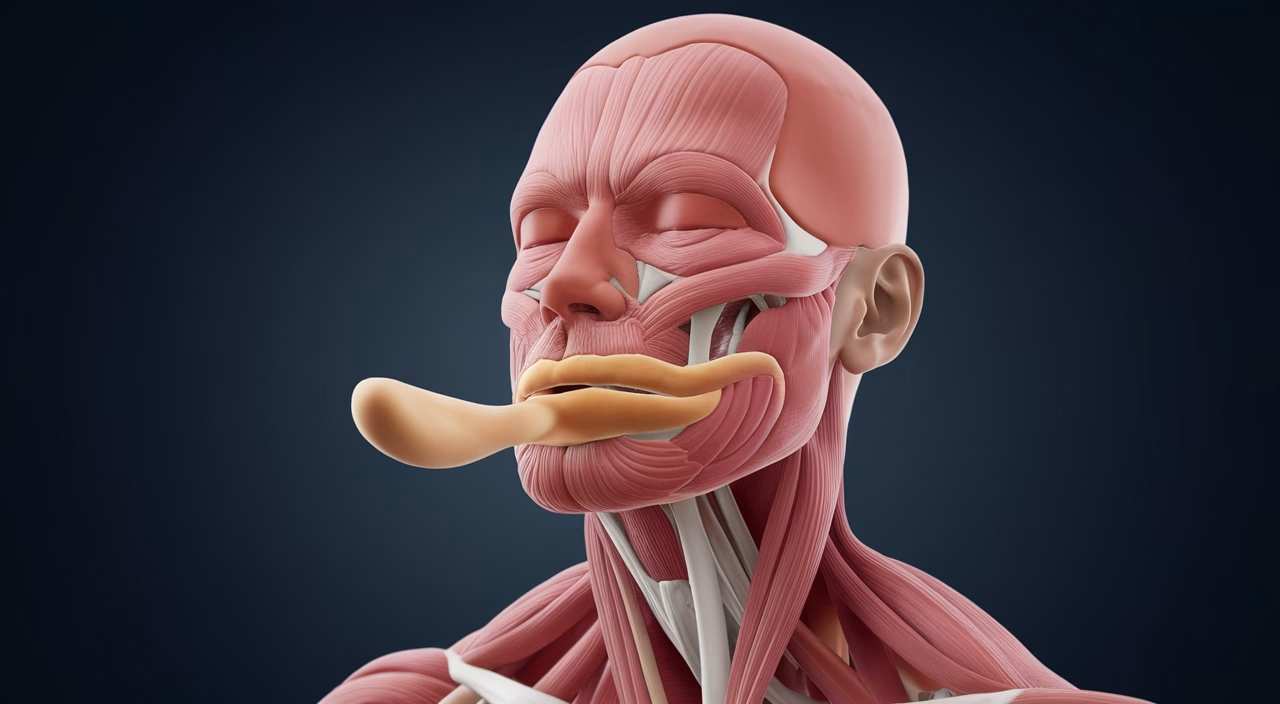
Your muscles tell only half the story. They depend entirely on electrical signals from your nervous system to function correctly. When those nerve signals become delayed or damaged—the **neuropathy impact on sleep apnea**—your throat muscles may fail to activate precisely when they should. Essentially, your brain sends the command “stay open,” but the muscles never receive that crucial message.
Here’s exactly how **neuropathy impact on sleep apnea** amplifies your breathing problems:
- Delayed muscle activation: Your muscles remain relaxed for longer periods, dramatically increasing the risk of complete airway collapse.
- Reduced airway sensitivity: You become slower to react when your airway becomes blocked, resulting in longer and more dangerous apnea episodes.
- Progressive damage: Chronic snoring creates vibration-based trauma that further degrades nerve function in a vicious cycle.
If your snoring has become deeper, more sudden, or you’re experiencing choking sensations, the **neuropathy impact on sleep apnea** may be significantly affecting your condition.
How Muscle Changes Drive Obstructive Sleep Apnea
Obstructive Sleep Apnea (OSA) goes far beyond typical snoring scenarios. It involves repeated collapse of your upper airway that causes partial or complete breathing interruptions while you sleep. What many people don’t realize is how **muscle changes in upper airway** directly contribute to these dangerous collapses.
In someone with healthy airway muscles, the throat muscles function like a supportive bungee cord: flexible yet strong enough to maintain structure. However, when **myopathy in snoring** develops, those same muscles become more like a wet noodle—offering no resistance and leading to repeated airway obstructions with every breath you take.
| Muscle Condition | Breathing Impact | Common Symptoms |
|---|---|---|
| Healthy Muscles | Clear, unobstructed airflow during sleep | Silent breathing, deeply restful sleep |
| Mild Myopathy | Intermittent snoring, minor airway collapses | Soft vibration sounds, occasional dry mouth |
| Severe Myopathy | Frequent complete airway blockage | Loud snoring, gasping episodes, severe daytime fatigue |
Proven Treatment for Myopathy in Sleep Apnea
The good news? Having myopathy or neuropathy doesn’t sentence you to a lifetime of poor sleep. Multiple effective **treatment for myopathy in sleep apnea** options exist—and they don’t all require expensive machines or invasive surgeries. Here are the most successful approaches:
- Myofunctional Therapy: This specialized **treatment for myopathy in sleep apnea** works like physical therapy for your tongue and throat muscles. Targeted exercises help rebuild crucial muscle tone and coordination.
- CPAP or BiPAP devices: While these machines help hold your airway open mechanically, they don’t directly address underlying muscle weakness. Consider them a management tool rather than a cure.
- Hypoglossal nerve stimulation: Advanced devices can stimulate the key nerve that controls tongue position, helping re-engage proper muscle function during sleep.
- Anti-inflammatory protocols: Reducing tissue irritation through diet changes and weight management often produces remarkable improvements in muscle function.
Cost Guide: What You Can Expect to Pay
| Treatment Option | Estimated Cost |
|---|---|
| Myofunctional Therapy (6 weeks) | $200 – $500 |
| CPAP Device with Mask | $500 – $1500 |
| Hypoglossal Nerve Stimulator | $25,000 – $35,000 (with surgery) |
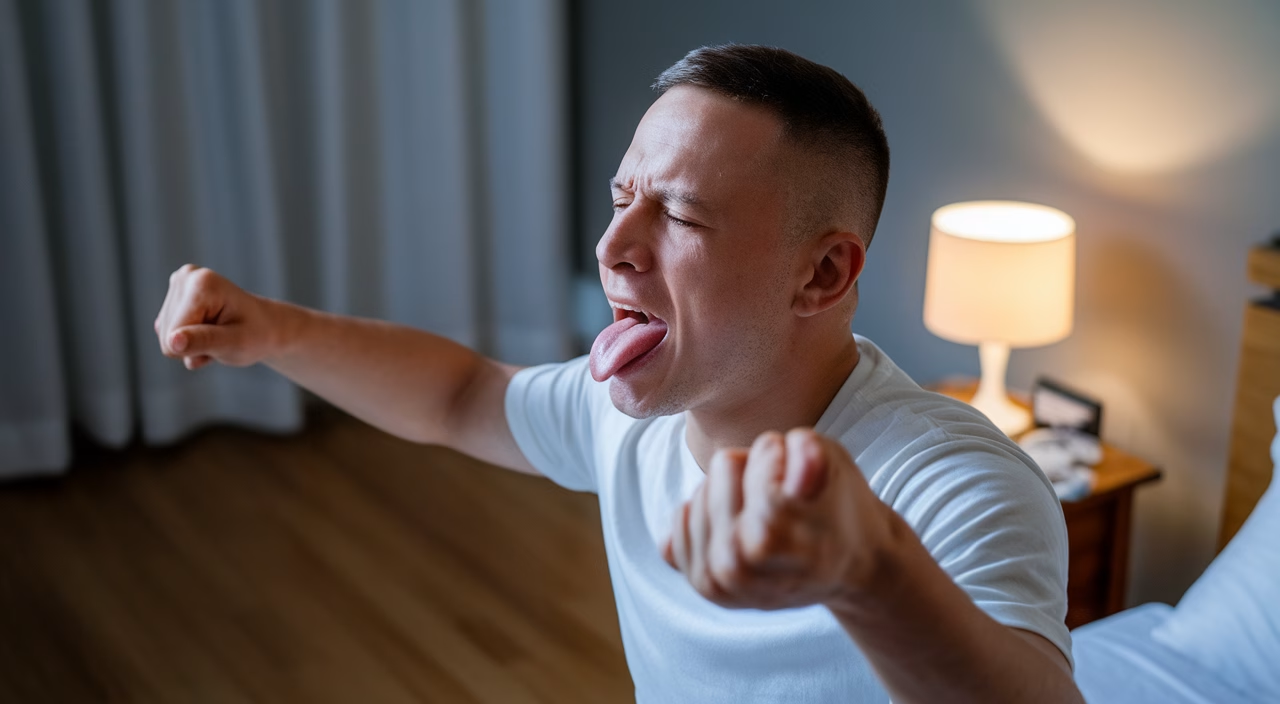
Managing Myopathy and Improving Sleep Quality: Your Daily Action Plan
Now let’s translate knowledge into practical daily strategies. **Managing myopathy and improving sleep quality** isn’t just about medical treatments—it’s about smart lifestyle choices that support your airway muscles every single day. Here’s your actionable roadmap for **managing myopathy and improving sleep quality**:
- Strategic sleep positioning: Side sleeping reduces gravitational pressure on relaxed throat tissues, immediately improving airway stability.
- Daily airway exercises: Simple activities like singing, controlled gargling, and swallowing challenges can progressively strengthen the key muscles involved in breathing.
- Sleep pattern tracking: Use a sleep journal or wearable device to identify exactly when symptoms worsen—and what environmental factors might be triggering them.
- Avoid muscle relaxants: Alcohol and sedative medications further relax your upper airway muscles, significantly worsening nighttime collapse episodes.
Remember, small consistent efforts create exponential results when it comes to **managing myopathy and improving sleep quality**. Many patients report noticeable reductions in snoring intensity and improved daytime energy within just a few weeks of implementing these strategies.
Final Thoughts: Don’t Ignore the Warning Signs
Understanding how **myopathy in snoring** and **neuropathy impact on sleep apnea** affect your nightly rest is like discovering a missing piece of your health puzzle. This isn’t just about noise levels, partner complaints, or even daytime tiredness. **Muscle changes in upper airway** represent an underlying condition that impacts your body’s oxygen supply on a cellular level every single night.
By recognizing the complex relationship between muscle weakness and nerve dysfunction, you’re now equipped to make informed decisions and advocate for comprehensive healthcare. The reward of truly restorative, silent sleep? That’s absolutely worth pursuing with the right **treatment for myopathy in sleep apnea** approach.
Frequently Asked Questions
- What muscle is responsible for snoring?
The pharyngeal muscles in your upper airway are most commonly involved. When weakness or loss of muscle tone occurs here, it leads to tissue vibrations that create snoring sounds. - Can myopathy cause sleep apnea?
Absolutely. Myopathy can weaken airway muscles enough to allow repeated collapse during sleep, which is the defining characteristic of obstructive sleep apnea. - Is neuropathy permanent in the airway?
Not necessarily. Depending on the underlying cause, some nerve function can recover with targeted therapy, lifestyle modifications, and proper medical treatment. - Do throat exercises really work?
When performed consistently over time, yes. They strengthen upper airway muscles and can produce significant reductions in both snoring frequency and apneic episodes. - Can you reverse upper airway myopathy?
Complete reversal is uncommon, but symptoms can often be dramatically reduced through combination therapy involving exercises, devices, or surgical intervention. - Why does snoring get worse with age?
Age-related muscle tone loss and slower neural response times make the airway increasingly likely to collapse during sleep. - How do I know if it’s muscle or nerve related?
A comprehensive sleep study combined with neuromuscular evaluation by a specialist can determine whether the primary issue is muscular, neural, or involves both systems.