What causes snoring, and how can you stop it?
Snoring occurs when disrupted air flow during sleep causes relaxed throat tissues to vibrate and create sound. You can learn how to stop snoring naturally by identifying your personal triggers and using a mix of lifestyle changes, natural snoring remedies, and sleep specialist guidance depending on the severity of your issue.
TL;DR: Summary
- Snoring occurs when airflow causes soft tissues in your throat to vibrate while you sleep.
- It’s not just annoying—chronic snoring may signal a serious sleep disorder like sleep apnea.
- Risk factors include age, weight, alcohol use, nasal congestion, and sleeping position.
- You can try natural snoring remedies like weight loss, nasal strips, and changing your sleep position.
- Severe cases may require input from a sleep specialist or even surgical intervention.
Introduction: Why Understanding Snoring Impact Matters for Your Health
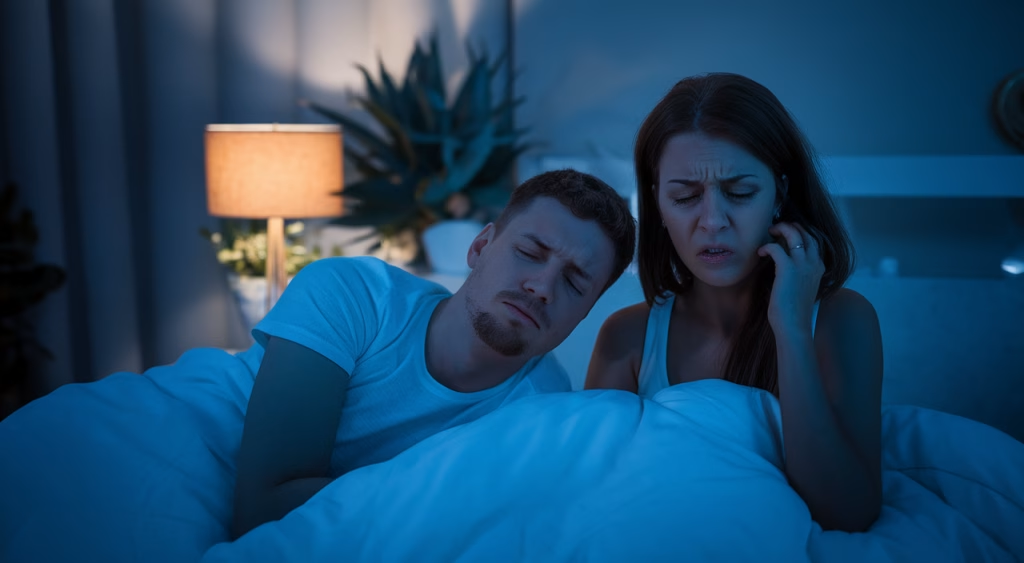
Snoring might seem like just a nighttime nuisance—a noisy habit that keeps your partner tossing and turning. But for many adults, it’s far more significant. Chronic snoring disrupts not only your sleep but also your relationships, mental clarity, and overall health. Often dismissed or laughed about, snoring deserves your serious attention.
As sleep specialists worldwide confirm, countless people don’t realize their nightly sounds signal bigger health issues. In this guide, we’ll explore beyond surface-level noise. We’ll break down the biology behind snoring, what it means for your body, and most importantly—proven solutions you can implement tonight.
Understanding Snoring: Root Causes and Contributing Factors
What Really Causes Snoring?
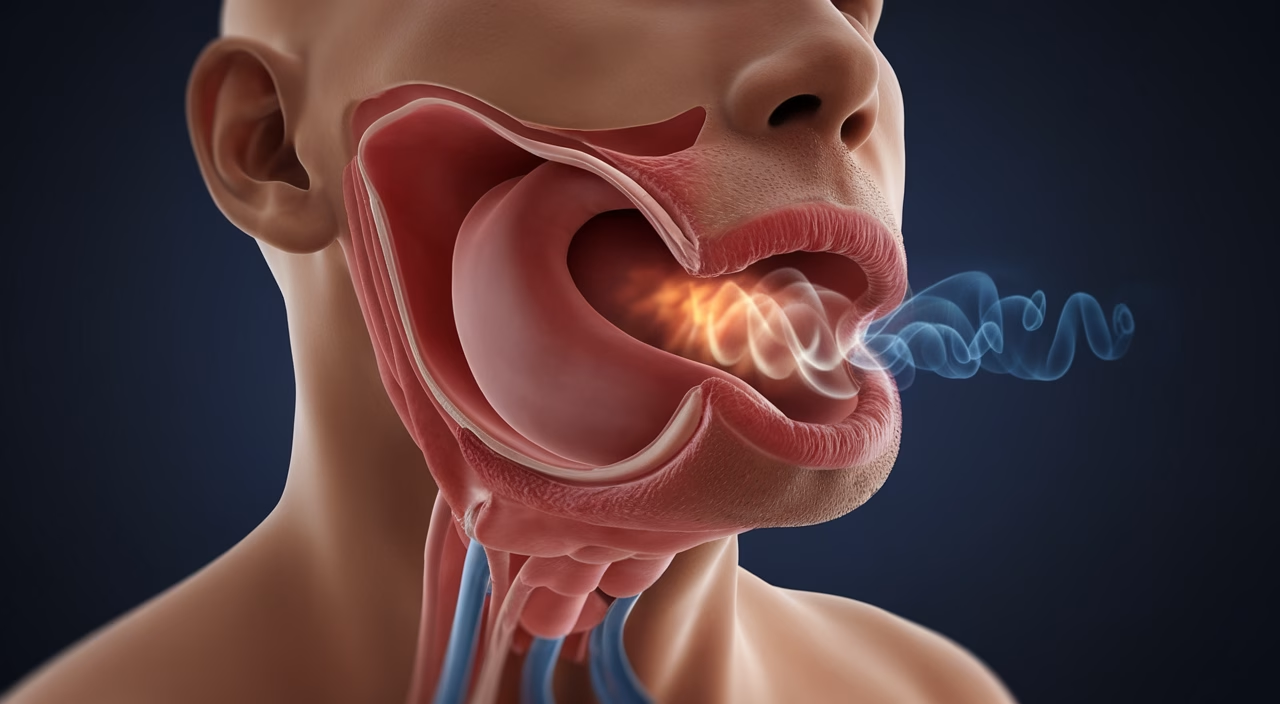
When you fall asleep, throat muscles naturally relax. For many people, these tissues relax excessively and partially collapse into the airway. As air flows past these soft, relaxed tissues, it creates vibrations—this is exactly what causes snoring sounds you hear nightly.
Several physiological and lifestyle factors contribute to this air flow disruption:
- Blocked nasal passages: Whether from colds, allergies, or deviated septums, restricted nasal air flow increases mouth breathing—a primary snoring trigger.
- Relaxed throat tissues: Deep sleep, alcohol consumption, certain medications, or extreme fatigue all contribute to muscle relaxation.
- Thick or enlarged soft palate tissue: Bulky throat structures (often from weight gain) or elongated uvulas narrow your airway significantly.
- Sleep position: Back sleepers experience more snoring due to gravity pulling relaxed throat tissues downward.
Risk Factors for Chronic Snoring
Certain people face higher risks for long-term snoring issues. If you identify with multiple risk factors below, exploring natural snoring remedies becomes especially important:
- Age: Throat muscle tone naturally decreases over time, making tissue vibrations more likely.
- Excess weight: Additional tissue around your neck creates pressure on airways during sleep.
- Lifestyle factors: Alcohol, sedatives, and smoking all reduce throat muscle tone significantly.
- Genetics: Family history increases your likelihood of developing sleep-related breathing disorders.
Health Impact of Snoring: Why Sleep Specialists Take It Seriously
Despite seeming harmless, snoring often signals potential health concerns that shouldn’t be ignored by you or your family.
- Disrupted sleep quality: Constant throat tissue vibrations interrupt your deep sleep cycles, leaving you exhausted and unfocused.
- Relationship challenges: Partners frequently experience resentment, separate sleeping arrangements, or their own sleep deprivation.
- Sleep disorder risks: Loud, chronic snoring may indicate obstructive sleep apnea—a serious condition linked to high blood pressure, heart disease, and mood disorders.
- Daily fatigue: Interrupted oxygen flow at night leads to poor concentration, mood swings, and increased safety risks during daily activities.
If your snoring includes choking, gasping, or severe daytime fatigue, consulting a sleep specialist immediately becomes crucial for your health.
How to Stop Snoring Naturally: Proven Lifestyle Solutions
Natural Snoring Remedies That Work
Want to discover how to stop snoring naturally without surgery or medications? Even small adjustments can dramatically improve air flow, reduce throat tissue vibrations, and enhance your sleep quality tonight.
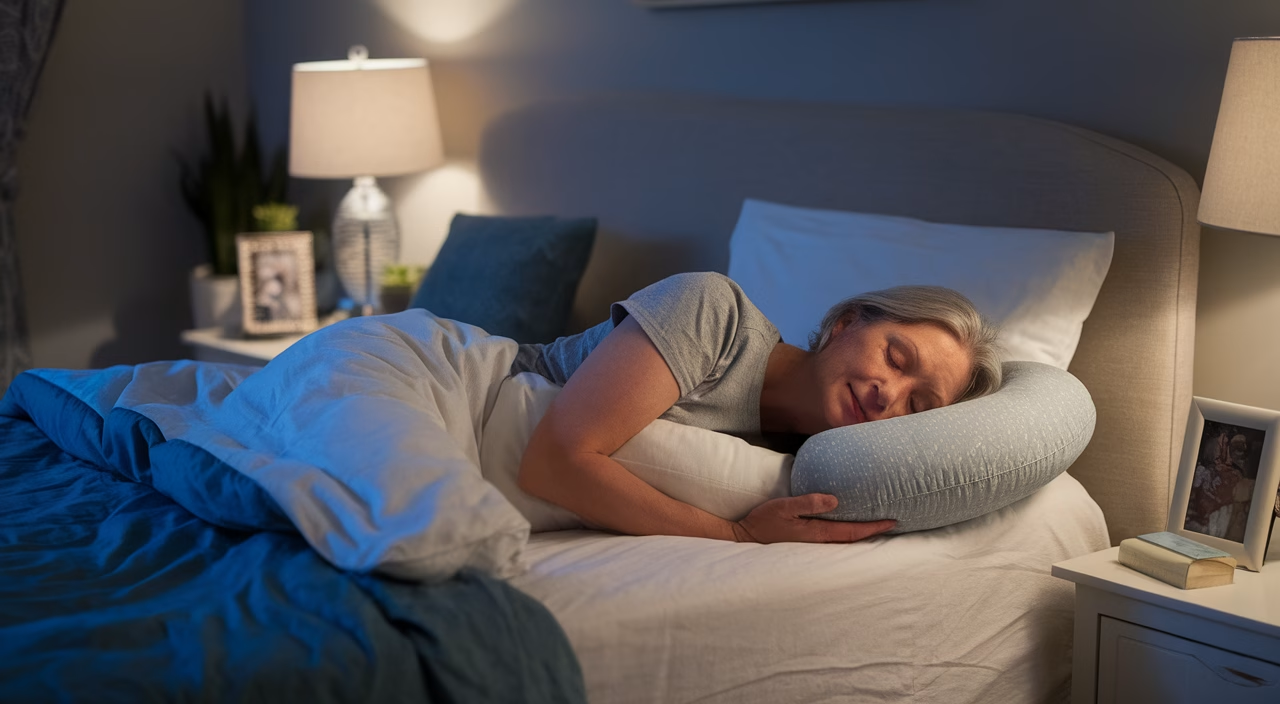
- Sleep positioning: Use body pillows or tennis ball techniques to maintain side-sleeping and optimize air flow.
- Weight management: Losing even modest weight reduces throat tissue bulk that restricts airway passages.
- Nasal congestion relief: Use saline sprays or treat underlying allergies to improve nasal air flow naturally.
- Evening alcohol avoidance: Skip alcohol within three hours of bedtime to prevent excessive throat muscle relaxation.
- Sleep hygiene improvement: Consistent bedtimes and reduced screen time help maintain healthy throat muscle tone.
You should also consider breathing exercises or positional therapy—both focus on improving how air moves through your airways during sleep.
Sleep Specialist Tips for Long-term Success
Based on sleep specialist recommendations, here’s what we suggest during initial evaluations:
- Track snoring patterns: Use sleep apps or recordings to identify triggers (like position-related vibrations).
- Consider sleep studies: If symptoms suggest sleep disorders or chronic disruption, polysomnography tests reveal underlying issues.
- Strengthen airway muscles: Daily tongue, throat, and breathing exercises tone weak tissues that contribute to snoring.
- Explore positioning devices: Some people benefit from custom-fit oral appliances that align jaws or open airways.
- Medication review: Discuss with doctors about drugs that may overly relax throat tissues (like sedatives or antihistamines).
Cost Guide: Snoring Treatment Options
| Method | Cost Range (USD) | Type |
|---|---|---|
| Lifestyle Changes (exercise, sleep hygiene) | Free – $100 | Natural/Behavioral |
| Anti-snore Devices/Mouthpieces | $50 – $200 | Over-the-counter |
| Sleep Study/Polysomnography | $500 – $3,000 | Diagnostic |
| Surgery (e.g., UPPP, nasal surgery) | $2,000 – $10,000+ | Medical Procedure |
Conclusion: Your Path to Better Sleep and Reduced Snoring
Snoring doesn’t have to control your nights or compromise your health any longer. Whether it starts as an occasional issue or becomes a relationship challenge, the underlying causes are often very treatable. By understanding your lifestyle factors, assessing personal risk factors, and choosing natural snoring remedies that match your symptoms’ severity, you’re taking powerful steps toward better rest.
Reclaiming peaceful nights begins with understanding what your body communicates through these vibrations. If snoring has disrupted your home and relationships, now is the perfect time to implement these sleep specialist-approved solutions. Because quality sleep isn’t a luxury—it’s essential for your health and happiness.
FAQ: Frequently Asked Questions
- Is snoring a symptom of stress?
While stress doesn’t directly cause snoring, it can contribute to poor sleep habits and muscle tension that may indirectly increase the risk of snoring. - What causes snoring only on certain nights?
Occasional snoring may stem from sleeping position, alcohol, congestion, or being overly tired. Identifying and tracking these triggers helps minimize episodes. - Can you completely stop snoring?
For many, snoring can be significantly reduced or even eliminated through lifestyle changes, devices, or medical treatments tailored to the root cause. - How do I know if my snoring is serious?
If it’s loud, persistent, or accompanied by gasping, choking, or extreme fatigue during the day, it’s best to consult a specialist and consider a sleep study. - Are over-the-counter snoring remedies effective?
They can be useful for mild cases, especially if caused by nasal blockage or poor sleep positioning. However, deeper structural issues may require professional help. - Can weight loss reduce snoring?
Yes. Reducing body fat, particularly around the neck, can relieve pressure on the airway and improve breathing. - What position is best to avoid snoring?
Sleeping on your side reduces the chance of throat tissues collapsing into the airway—a simple, inexpensive fix for many snorers.