How to Stop Snoring: What Really Works?
If you’ve been searching for answers on how to stop snoring, you’re not alone. Whether it’s your bed partner nudging you nightly or waking up groggy and irritable, the noise and health toll of snoring is more than just an annoyance—it’s a call for change. We’ll show you proven snoring remedies that deliver real results.
TL;DR: Quick Summary
- Snoring is often caused by blocked nasal airways, poor sleep posture, obesity, or underlying conditions like sleep apnea.
- Effective lifestyle changes such as adjusting your sleep position, losing weight, and reducing alcohol intake can drastically decrease snoring.
- Natural snoring remedies include using essential oils, humidifiers, and nasal strips for better airflow.
- Medical solutions involve devices like mandibular advancement appliances or CPAP machines, and in some cases, surgical options.
- Sleep apnea and snoring are closely related—if snoring is loud and chronic, a sleep study may be needed.
I. Understanding Snoring
Causes of Snoring
Snoring happens when airflow through the mouth and nose is partially obstructed during sleep, causing tissues in the throat to vibrate. Understanding these snoring causes is your first step toward finding the right snoring solutions.
- Nasal Congestion: Swollen nasal passages from allergies or colds narrow your breathing space.
- Sleep Position: Lying on your back can cause the tongue and soft palate to collapse to the back of the throat.
- Weight Issues: Excess weight around the neck can compress the airway.
- Alcohol Consumption: Alcohol relaxes throat muscles too much before sleep.
- Age-Related Changes: As we get older, our airway muscles lose tone, increasing the likelihood of snoring.
The Health Risks Associated with Snoring
While occasional light snoring may just be a nuisance, chronic snoring should not be ignored. Studies have linked persistent snoring with:
- Interrupted Sleep: You may not wake fully, but frequent disturbances reduce restorative sleep stages.
- Fatigue and Mood Swings: Poor sleep quality often leads to irritability, low energy, and concentration issues.
- Relationship Strain: Snoring affects not only the snorer but also the sleep quality of partners sharing a bed.
- Heart Disease and Stroke: Especially when tied to undiagnosed sleep apnea, loud snoring may increase cardiovascular risk.
II. Lifestyle Changes and Bedtime Tips
Importance of Sleep Position
Ever heard the phrase “position matters”? It truly does when learning how to stop snoring. Sleeping on your back encourages your tongue and soft palate to collapse back into the throat, narrowing the airway.
Side-sleeping can make a world of difference for stopping snoring naturally. Try a body pillow or sewing a tennis ball onto the back of your shirt (yes, really). The discomfort prevents you from rolling over onto your back inadvertently.
Weight Management and Snoring
Weight and snoring go hand in hand more often than not. Fat deposits around the neck—known as cervical adiposity—can compress the airway, upping both the volume and frequency of snoring.
Even a modest 10% weight loss can reduce snoring severity significantly. We often see major improvements in patients who combine diet, walking, and good sleep hygiene over 8–12 weeks.
Avoiding Alcohol and Heavy Meals Before Bed
Think of alcohol like a muscle relaxer—it dulls your reflexes and also the muscles in your respiratory tract. That makes your airway tissues more likely to vibrate noisily. The same goes for fatty meals consumed late at night, as digestion-related bloating can push upward against your diaphragm.
We recommend avoiding alcohol 3 hours before bedtime and finishing your last meal at least 2 hours before lying down for better snoring prevention.
III. Natural Remedies and Home Treatments
Essential Oils and Aromatherapy
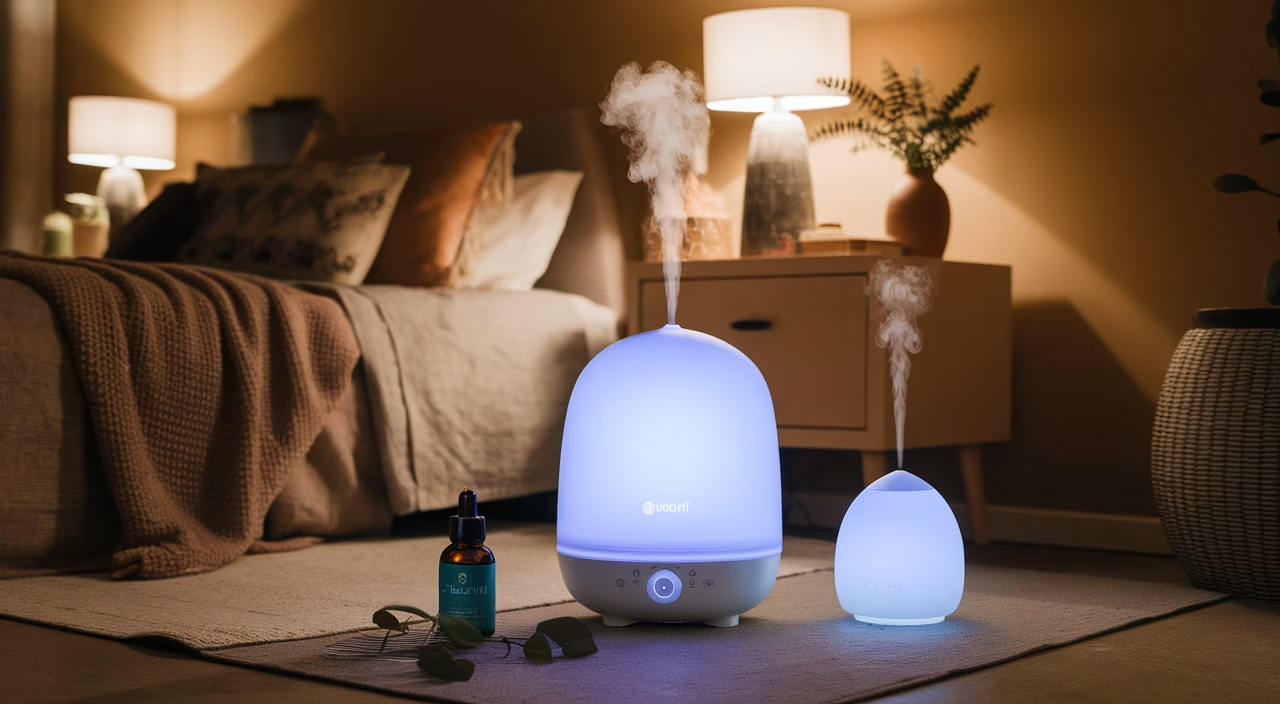
Looking for natural remedies for snoring at home? Essential oils like eucalyptus, peppermint, and thyme can help clear nasal congestion and open up airways. These natural snoring remedies work by reducing inflammation and promoting clearer breathing. Use them in a diffuser or add a few drops to a steaming bowl of water for inhalation before bed.
Soothe your senses and breathe better all night long—these approaches are gentle, side-effect-free, and quite relaxing.
Humidifiers and Air Purifiers for Better Breathing
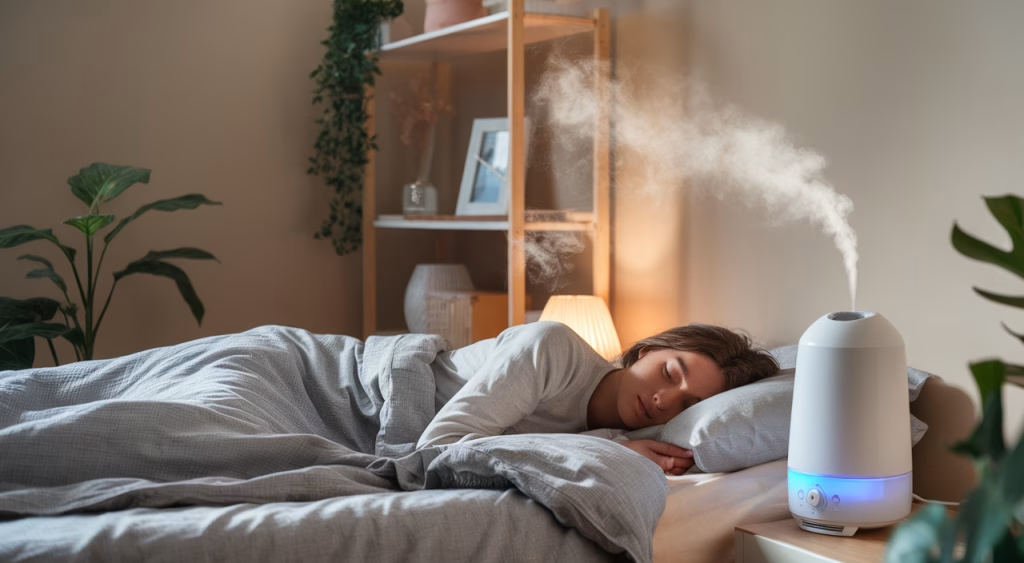
Dry air can irritate throat tissues and worsen snoring. A humidifier keeps air moist, which reduces inflammation in airways and serves as an effective natural snoring remedy. An air purifier, on the other hand, captures allergens such as dust, dander, and pollen that may trigger nasal congestion.
IV. Medical Treatments for Snoring
Anti-Snoring Devices
When lifestyle tweaks don’t cut it, it’s time to explore clinical snoring solutions.
- Mandibular Advancement Devices (MADs): These fit like a mouthguard and keep your lower jaw slightly forward to keep airways open.
- Nasal Dilators: External or internal devices that physically open nasal passages to ease breathing.
- CPAP (for Sleep Apnea): If snoring is related to sleep apnea, CPAP machines ensure continuous airflow through pressurized air.
Searching for the “best anti-snoring devices“? We suggest working with a sleep specialist who can recommend approved, custom-fitted devices—these generally outperform over-the-counter gadgets and provide more effective snoring treatment.
Surgical Options for Chronic Snorers
Surgery is typically a last resort but can be life-enhancing for severe cases. These snoring solutions may include:
- UPPP (Uvulopalatopharyngoplasty): Removes excess tissue from the soft palate and throat.
- Soft Palate Implants: Stiffen the palate to reduce vibration.
- Nasal Surgery: Correct a deviated septum or remove obstructions.
Cost Guide: Snoring Solutions
| Solution Type | Cost Range |
|---|---|
| Lifestyle Changes | $0–$100 (gym membership, pillows) |
| Essential Oils/Humidifiers | $10–$70 |
| Custom Anti-snoring Devices | $150–$500 |
| Sleep Study & CPAP Setup | $1,000–$3,000 |
| Surgery | $3,000–$10,000+ |
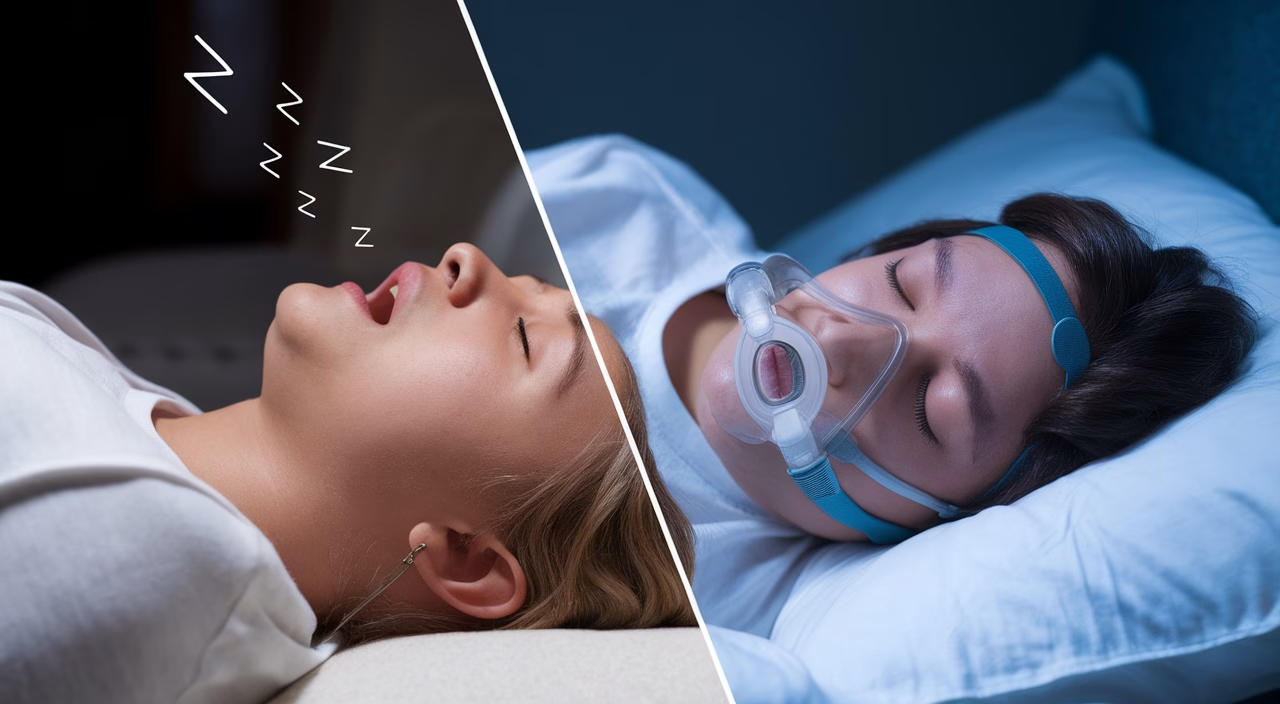
V. Sleep Apnea and Snoring Relationship
Understanding the Connection
Not all snorers have sleep apnea, but almost everyone with sleep apnea snores. Understanding this snoring and sleep apnea relationship is crucial for your health. The big difference? Apnea causes “breath-holding spells” lasting 10 seconds or more, disrupting oxygen flow and fragmenting sleep.
If a loved one notices you pause between snores—or you wake up choking or gasping—get evaluated pronto. Sleep apnea is associated with serious health risks including high blood pressure, diabetes, and stroke.
Treatment Options for Sleep Apnea
Depending on the severity, you may be prescribed these snoring treatment options:
- Lifestyle Adjustments: Weight loss, sleep position change, and alcohol avoidance all help reduce apnea events.
- CPAP Therapy: The gold standard for moderate-to-severe cases, a CPAP machine delivers pressurized air via mask.
- Surgical Corrections: Involve enlarging the airway through surgery, often used when conservative treatment fails.
Final Thoughts: The Peace of Quiet Nights
If you’re searching for quick snoring solutions for better sleep, remember: success starts with understanding your specific snoring causes. Natural snoring remedies, lifestyle shifts, or medical interventions—there’s a tailored snoring treatment for everyone.
As a sleep specialist, I’ve seen snorers go from desperate to delighted in just a few weeks using these proven methods to stop snoring. The key is to take action early. Experiment with different snoring solutions, consult a professional, and don’t ignore what your body—and perhaps your partner—are trying to tell you.
Frequently Asked Questions
- What is the number one way to stop snoring?
Weight loss combined with side sleeping is the most effective natural solution for most people. - How can I stop snoring immediately?
Use nasal strips or a humidifier before bed; sleep on your side to reduce instant snoring. - Can snoring be a sign of something serious?
Yes, frequent loud snoring may indicate sleep apnea, which requires medical evaluation. - Are there any foods that help reduce snoring?
Anti-inflammatory foods like honey, ginger, and turmeric may reduce airway swelling. - Do snoring devices actually work?
Yes, especially if they are custom-fitted and matched to your snoring cause. - Can children snore?
Yes, and persistent snoring in children may indicate enlarged adenoids or tonsils. - How do I know if my snoring is linked to sleep apnea?
Undergo a sleep study if you experience daytime fatigue, choking at night, or pauses in breathing.