What Are the Most Effective Snoring Treatment Options?
The most effective snoring treatment options include lifestyle modifications, medical devices, and surgical interventions, each targeting specific causes of airway obstruction. Your ideal solution depends on whether your snoring stems from nasal congestion, sleep apnea, weight gain, or anatomical factors.
TL;DR Summary
- Snoring results from partial airway blockage caused by nasal congestion, excess weight, or improper sleep positioning.
- Untreated snoring can escalate to serious health complications including sleep apnea, cardiovascular problems, and chronic fatigue.
- Natural remedies work effectively for mild cases: nasal strips, sleep position adjustments, and targeted exercises provide relief.
- Medical devices like CPAP or oral appliances successfully treat moderate to severe snoring, especially when linked to sleep apnea.
- Surgical procedures address anatomical issues such as deviated septums or enlarged tissues when conservative treatments fail.
Causes of Snoring: Understanding Why You Snore
Snoring occurs when airflow through your nose or mouth becomes partially obstructed during sleep. The familiar vibrating sound happens when your soft palate, uvula, or tongue tissues flutter as air struggles to pass through narrowed airways.
The most common snoring causes include:
- Nasal congestion: Seasonal allergies or structural issues like deviated septum restrict nasal breathing.
- Sleep position: Back sleeping allows your tongue to collapse backward, blocking airflow.
- Snoring and weight gain: Extra neck tissue compresses your upper airway during sleep.
- Age and gender factors: Men snore more frequently, while aging reduces throat muscle tone in everyone.
- Alcohol and sedatives: These substances over-relax throat muscles, increasing airway collapse risk.
- Snoring during pregnancy: Hormonal shifts and fluid retention can narrow breathing passages.
Identifying your specific snoring triggers helps us recommend the most targeted treatment approach — addressing not just the volume, but the underlying cause.

Dangers of Untreated Snoring: Health Risks You Can’t Ignore
Persistent snoring serves as your body’s warning signal that something needs attention. If you’re experiencing morning exhaustion or your partner notices breathing interruptions during sleep, you could be facing more than just a nuisance — potentially life-threatening sleep apnea.
Chronic snoring increases your risk of:
- Obstructive Sleep Apnea (OSA): A dangerous condition where breathing repeatedly stops throughout the night.
- Cardiovascular complications: Disrupted oxygen flow strains your heart and blood vessels.
- Cognitive impairment and mood disorders: Poor sleep quality devastates mental clarity and emotional stability.
- Relationship tension: Your sleeping partner often suffers equal or greater sleep disruption.
When snoring becomes a nightly occurrence or reaches disruptive volumes, take action immediately. You’re potentially depriving your body of essential oxygen and restorative sleep every single night.
Natural Remedies to Stop Snoring: Lifestyle Changes That Work
Before exploring medical interventions, we recommend starting with proven lifestyle modifications — these simple changes often provide remarkable results when applied consistently.
Try these evidence-based lifestyle adjustments:
- Achieve modest weight loss: Losing just 10-15 pounds significantly reduces neck tissue pressure on your airway.
- Optimize your sleeping position: Side sleeping prevents tongue collapse that occurs with back sleeping.
- Clear nasal passages: Use nasal strips, saline rinses, or steam inhalation to improve airflow.
- Time alcohol consumption carefully: Avoid alcoholic beverages within 3-4 hours of bedtime.
- Practice snoring exercises: Tongue strengthening exercises and throat muscle training can reduce tissue vibration.
Additional natural remedies to stop snoring include elevating your head with extra pillows and using a bedroom humidifier to prevent airway dryness. Remember — consistency matters more than perfection. Commit to these changes for several weeks to see meaningful improvement.
Medical Treatment Options for Snoring: Advanced Solutions for Persistent Cases
When lifestyle modifications don’t provide adequate relief, medical snoring treatment options offer more aggressive intervention. We select treatments based on your sleep study results, anatomical assessment, and snoring severity.
1. Non-Surgical Medical Devices
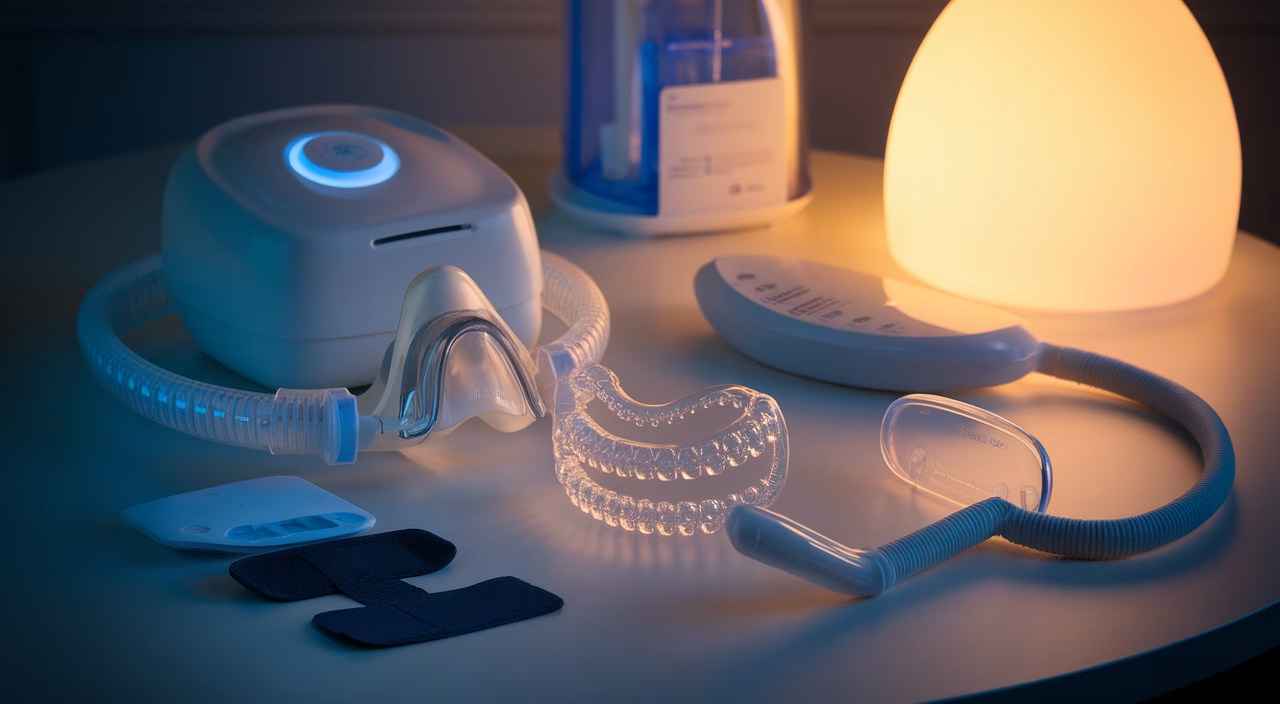
- CPAP Machines: The gold standard for sleep apnea treatment, delivering continuous air pressure to maintain open airways.
- Oral Appliances: Custom-fitted mouthguards that advance your lower jaw forward, preventing airway collapse.
- Best snoring devices for side sleepers: FDA-approved positional therapy devices that maintain optimal sleeping position throughout the night.
2. Surgical Interventions for Structural Issues
- Uvulopalatopharyngoplasty (UPPP): Surgical removal or reshaping of excess throat tissue to widen the airway.
- Septoplasty and turbinate reduction: Corrects nasal structural problems that impede breathing.
- Tongue base procedures: Advanced techniques to address tongue-related airway obstruction.
3. Addressing Snoring and Weight Gain
For many patients, targeted weight reduction effectively resolves mild to moderate sleep-disordered breathing. When weight loss alone proves insufficient, combining it with CPAP therapy or oral appliances often restores healthy sleep patterns.
4. Managing Snoring During Pregnancy
Pregnancy-related snoring results from hormonal changes, increased blood volume, and nasal tissue swelling. Safe treatment options include nasal dilators, pregnancy-safe nasal sprays, left-side sleeping positions, and maintaining optimal room humidity.
Cost Guide: What Does Snoring Treatment Cost?
| Treatment Option | Price Range |
|---|---|
| Natural Remedies & Home Devices | $10 – $100 |
| Custom Oral Appliances | $300 – $2,500 |
| CPAP Machines | $500 – $3,000 |
| Surgical Treatments | $5,000 – $10,000+ |
Conclusion: Your Path to Peaceful, Quiet Sleep
Your snoring is more than an inconvenience — it’s your body communicating that your sleep and breathing need attention. Whether you’re dealing with occasional mild snoring or nightly disruptions that affect your health and relationships, effective solutions exist.
We’ve explored comprehensive snoring treatment options, from simple lifestyle adjustments to advanced medical interventions. The key is identifying your specific triggers and matching them with the most appropriate treatment approach.
You and your partner deserve restful, rejuvenating sleep every night. Don’t let another day pass living with disruptive snoring — take the first step toward quieter nights and brighter, more energized mornings.
Frequently Asked Questions
Which deficiency causes snoring?
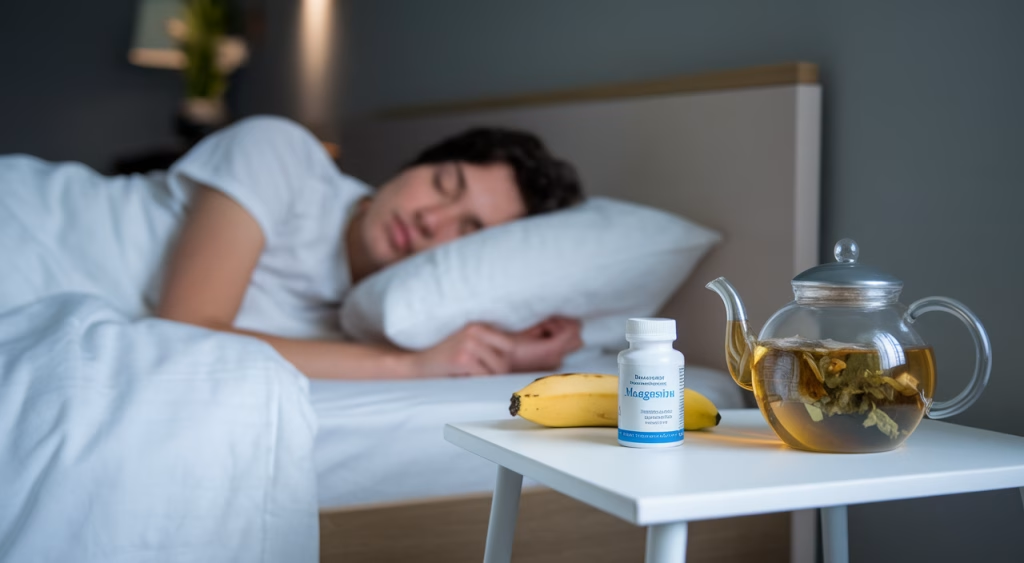
No specific vitamin deficiency directly causes snoring, but inadequate magnesium or vitamin D levels may contribute to poor airway muscle tone. Weakened throat muscles increase the likelihood of tissue collapse during sleep.
Can snoring be cured permanently?
Permanent snoring relief is possible when addressing reversible causes like excess weight or chronic nasal congestion. Structural anatomical issues typically require ongoing management with devices like CPAP or surgical correction for lasting results.
Is snoring always linked to sleep apnea?
Not necessarily. While persistent, loud snoring often indicates sleep apnea risk, many people snore without developing this serious condition. Professional sleep testing provides definitive diagnosis and appropriate treatment recommendations.
Are there exercises to stop snoring?
Yes — targeted oropharyngeal exercises including tongue strengthening, soft palate stretches, and throat muscle training demonstrate measurable benefits. Even regular singing can improve upper airway muscle tone and reduce snoring frequency.
Can children suffer from snoring too?
Children commonly snore due to enlarged tonsils, adenoids, or seasonal allergies. Persistent pediatric snoring accompanied by daytime fatigue, attention problems, or behavioral changes warrants evaluation by a pediatric ENT specialist.
What sleeping position is best to reduce snoring?
Side sleeping provides optimal airway alignment by preventing your tongue from collapsing backward into your throat. Specialized pillows, positional devices, or even tennis balls sewn into pajama backs can help maintain this beneficial position.
Is it safe to use anti-snoring nasal sprays daily?
Safety depends on the spray type. Saline-based solutions are safe for daily use, while decongestant sprays should be limited to 3-5 days maximum. Prolonged decongestant use can cause rebound nasal swelling, worsening your original problem.